A New Lawsuit Wants to Strike Down SNAP Soda and Candy Limits in 18 States: Here’s Which Ones
Over the past year, state after state has told SNAP recipients they can no longer use their benefits to buy soda, candy and other sweets. Supporters call it a common-sense change that keeps taxpayer money away from junk food. Critics call it government telling poor families what they’re allowed to eat.
Now the fight is headed to court in a big way. A new class-action lawsuit filed in Washington, D.C., asks a federal judge to throw out those purchase restrictions in 18 states at once. If it succeeds, millions of SNAP households could see the rules disappear. Here’s what the lawsuit says, which states are named, and what happened the last time a judge looked at these rules.
Who Filed the Lawsuit
The lawsuit was filed in federal court in the District of Columbia this week, led by the National Center for Law and Economic Justice, a legal advocacy group that works on benefit programs. It was reported by KCUR, public radio in Kansas City, along with Stateline.
The group argues that the U.S. Department of Agriculture doesn’t have the legal power to use waivers to make such large changes to how SNAP works. “These unlawful waivers serve as a backdoor method to restrict access to SNAP,” NCLEJ attorney Katharine Deabler-Meadows said in a news release.
The 18 States Named in the Lawsuit
The lawsuit targets SNAP purchase restrictions in these 18 states: Arkansas, Florida, Hawaii, Idaho, Indiana, Kansas, Louisiana, Missouri, Montana, Nevada, North Dakota, Ohio, Oklahoma, South Carolina, Texas, Utah, Virginia and Wyoming. Together, those states are home to millions of SNAP recipients, including several of the biggest programs in the country, like Texas, Florida and Ohio.
The rules aren’t the same everywhere. Hawaii’s waiver only restricts soft drinks. Florida’s covers soda, energy drinks, candy and prepared desserts. Most states focus on sugary drinks and candy, but the exact list of banned items varies from state to state, which has confused shoppers and cashiers alike.
The People Behind the Case
The named plaintiffs include two women whose stories are meant to show how the rules play out in real life. One is an Idaho woman with chronic health conditions who says she often becomes dehydrated. She relies on electrolyte drinks and granola bars, which the lawsuit says are now restricted under her state’s rules.
The other is an Oklahoma woman who lives in an extended-stay hotel with no kitchen. She says she drinks soda to relieve a medical problem with trapped gas, and soda is now off-limits with her benefits. The lawsuit argues that rules written to fight junk food are catching people with real needs and very few other options.
Five States Already Had Their Limits Blocked
This isn’t the first legal challenge. A federal judge has already blocked state and federal efforts to use waivers to restrict SNAP purchases in Colorado, Iowa, Nebraska, Tennessee and West Virginia. In that case, the judge ruled that the USDA lacked the authority to approve those waivers.
That earlier ruling is a big reason advocates believe the new lawsuit has a chance. If a court finds that the same legal problem applies to the other 18 states, the restrictions there could be thrown out too. If the court disagrees, the rules would stay in place and more states could keep adding them.
Why States Wanted the Restrictions
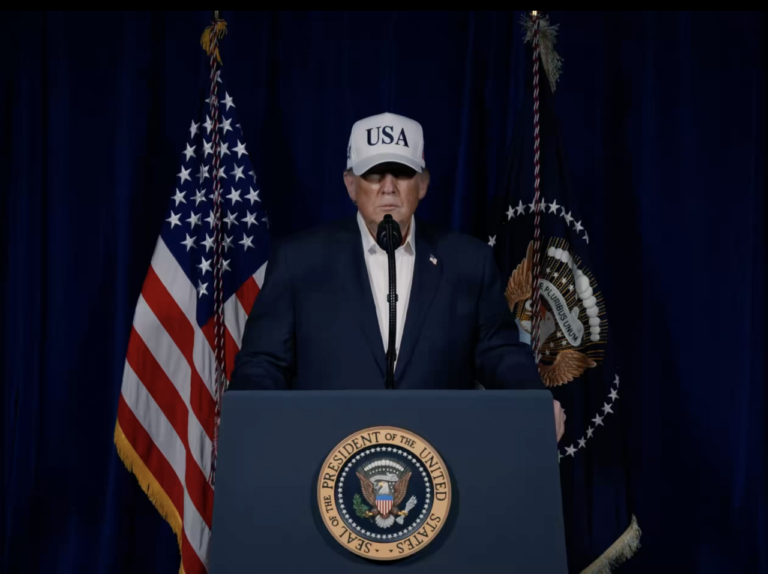
The push for SNAP soda and candy limits has been a major priority of the Trump administration, which has encouraged states to apply for waivers. Supporters argue that federal food assistance shouldn’t pay for products that contribute to diabetes and other chronic diseases, and that taxpayers shouldn’t be funding sugary drinks.
Health Secretary Robert F. Kennedy Jr. has praised the waivers. “These waivers help put real food back at the center of the program,” he said in a statement last year. Many governors and state lawmakers agree, and supporters say the rules simply line SNAP up with its original purpose of buying nutritious food.
Why Critics Want Them Gone
Opponents say the rules take away choices from adults who are already struggling, and that they hit hardest in rural areas and food deserts where fresh food is hard to find. They also point out that wealthier shoppers face no such limits on what they buy at the store.
Retailers have raised practical concerns as well. Cashiers have to figure out which items are banned, and the definitions of “candy” or “sweetened beverage” don’t always line up neatly with what’s on the shelf. Some shoppers have reported being turned away at checkout over items they believed were allowed, which has led to heated arguments in stores, a debate over everyday overpriced expenses and who gets to decide what’s worth buying.
What Happens Next for SNAP Shoppers
For now, nothing changes at the register. The restrictions in all 18 states remain in effect while the lawsuit moves through the court. SNAP recipients in those states should expect the same rules at checkout until a judge rules otherwise.
The case could take months, and whatever the result, an appeal is likely. Meanwhile, the USDA continues to approve new waivers, and more states have said they plan to apply. That means the map of SNAP restrictions could keep growing even as the courts decide whether those restrictions are legal at all.
What It Means for Shoppers at the Register
For SNAP households, the rules have changed the way many people shop. Some shoppers now split their purchases at checkout, paying for soda or candy with cash or a debit card and using their EBT card for everything else. Others say they’ve been embarrassed when an item they thought was allowed got rejected in front of a line of customers.
Stores have had to reprogram registers state by state, and some smaller grocers say keeping up with the changing lists has been expensive. If the lawsuit succeeds, those same stores could have to change their systems all over again. Either way, shoppers in the 18 states will likely see more confusion at checkout before the issue is settled.
Why Grocery Prices Make the Fight Even Hotter
The debate is happening at a time when food costs are a big worry for many families. Holiday meals cost noticeably more than they did a few years ago, and the Thanksgiving dinner cost varies widely depending on where people live. For SNAP households already stretching every dollar, any change to what their benefits can buy feels especially personal.
A Debate That Isn’t Going Away
Few food stories bring out stronger opinions than this one. To some, limiting soda and candy on SNAP is a simple matter of using public money responsibly. To others, it’s a rule that treats low-income adults like children and ignores the real reasons people make the food choices they do.
The new lawsuit won’t settle that argument, but it could decide whether these rules stay or go in nearly a third of the country. SNAP households in the 18 named states, and in every state thinking about joining them, will be watching closely.