5 Things You Should Never Do With Your Credit Card
Used well, a credit card is one of the most convenient tools in your wallet. It offers strong fraud protections, it builds a credit history, and it can smooth out the busy weeks between Thanksgiving and New Year’s when spending tends to pile up.
Used carelessly, the same card can turn a small purchase into a lingering bill. The good news is that the costliest mistakes are also the easiest to avoid. Here are five things the Consumer Financial Protection Bureau (CFPB) and the Federal Trade Commission (FTC) say you should never do with your credit card. This is general consumer information, not financial advice, so check your own card agreement for the details that apply to you.

1. Never Treat It Like an ATM Card
Pulling cash from a credit card at an ATM is called a cash advance, and it is one of the priciest ways to get money. The CFPB notes that the fees for a cash advance can be substantial, and that you will commonly pay a higher interest rate than you would on a regular purchase. On top of that, the ATM owner may add its own fee.
There is also no grace period. With ordinary purchases, you usually have until your due date to pay before interest kicks in. With a cash advance, the CFPB says interest typically starts the moment you take the money out. If you need cash, your debit card or a trip to your bank is almost always cheaper, and our guide to places where swiping your credit card deserves a second thought covers a few other spots where plastic can cost extra.
2. Never Settle for the Minimum Payment, and Never Pay Late
Your statement shows a minimum payment and a due date, and paying at least that amount on time keeps your account in good standing. But the CFPB’s credit card guide encourages cardholders to pay more than the minimum to reduce interest costs and pay off the balance more quickly. Paying only the minimum month after month means most of your money can go toward interest instead of what you actually bought.
Paying late is even worse. According to the same CFPB guide, a late or missed payment can bring a late fee, can push the rate on new purchases up to a penalty APR, can cost you an introductory rate, and can hurt your credit history. Setting up an automatic payment for at least the minimum, then paying extra by hand, is a simple safety net. If you are already carrying a balance, these practical ways to pay off credit card debt can help you make a plan, and a refresher on how credit cards actually work makes the interest math easier to follow.
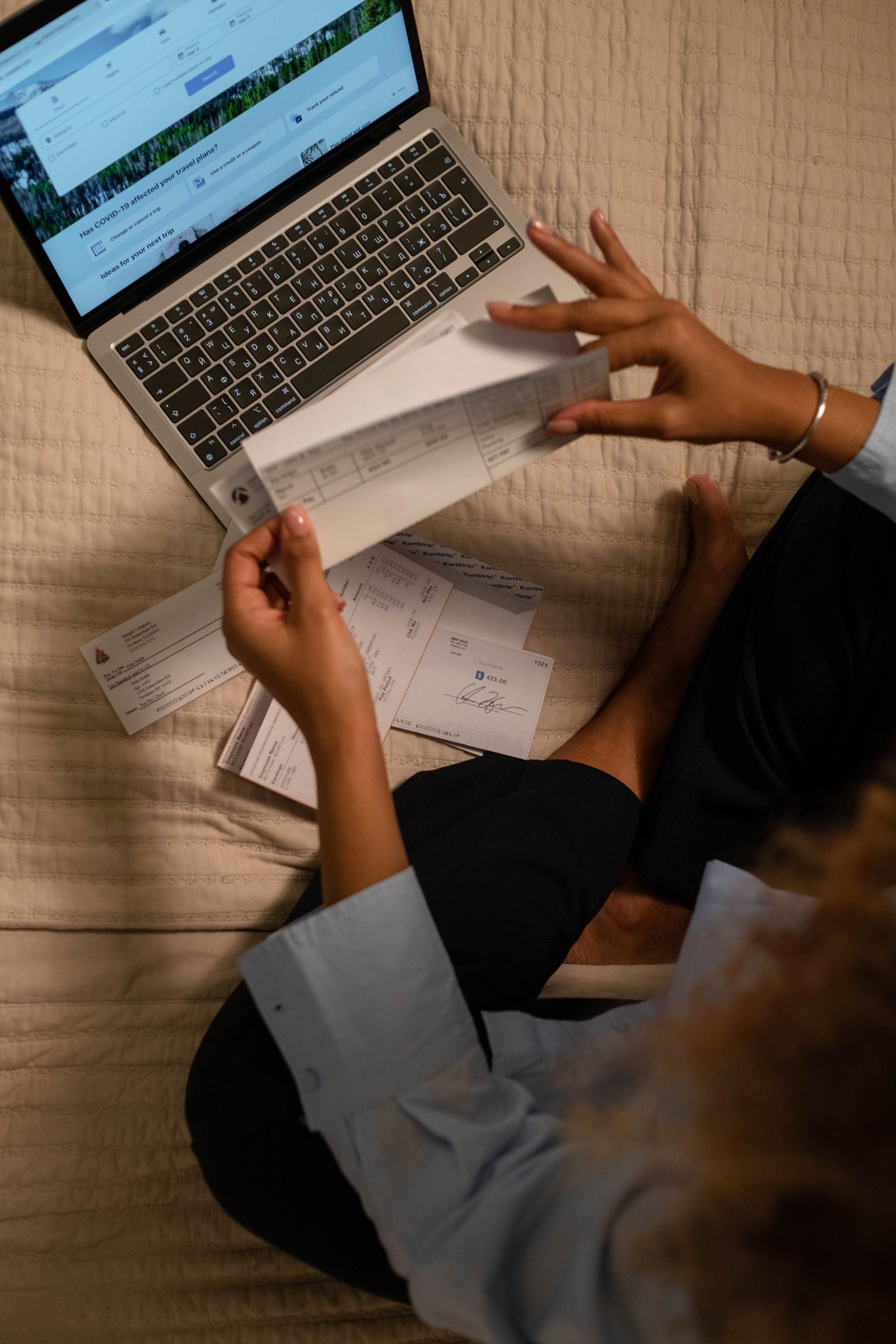
People who stay on top of their cards tend to handle the rest of their money the same way, which is why the habits in our list of things you should never do with your checking account line up so closely with these.
For anyone who feels buried rather than just a little behind, this look at getting free of debt one step at a time offers an encouraging place to start.
3. Never Read Your Card Number to Someone Who Called You
Scammers love to pose as your bank’s fraud department. They call, text or email, sound urgent, and ask you to “verify” your card number, expiration date or security code. The FTC’s advice is clear: don’t share your account number unless you started the contact and understand why it is needed.
The CFPB adds that banks and credit unions don’t ask for account details through unsolicited calls or emails. If you get one of these messages, hang up and call your card provider using a number from a different source, such as the back of your card or your official statement.
4. Never Wait to Report a Lost Card or Skip Your Statements
Federal law gives credit card users strong protection, but timing still matters. The FTC explains that if you report a lost or stolen credit card before anyone uses it, you are not responsible for unauthorized charges, and your liability is capped at $50 if someone uses it first. If only your account number is stolen and you still have the card, you are not responsible for those unauthorized charges.
Those protections work best when you notice problems quickly. The CFPB suggests checking your transactions as often as you can if you have online or mobile access, and reporting even small unfamiliar charges, since thieves sometimes test a card with a tiny purchase before making a big one. A quick weekly glance at your app takes less time than brewing a pot of coffee.
5. Never Pay for “Credit Card Loss Protection”
Some callers and websites offer to protect you from fraud on your card for a fee. The FTC considers these offers scams, because federal law already limits your liability for unauthorized charges. There is no reason to pay a stranger for protection you already have.
If you get one of these pitches, don’t share any personal information and don’t agree to anything over the phone. You can report the call to the FTC at ReportFraud.ftc.gov.
The Bottom Line
A credit card rewards people who use it on purpose. Skip cash advances, pay more than the minimum and always on time, guard your number, check your statements, and ignore anyone selling protection you already have. Those five habits keep the card working for you instead of the other way around.