Americans Are Reaching a Breaking Point With Guilt Tipping Culture as Checkout Screens Quietly Reshape Spending Behavior
A small moment is unfolding in America that rarely makes headlines, but it is quietly reshaping how people spend money and judge basic social etiquette: the rise of guilt tipping at checkout.
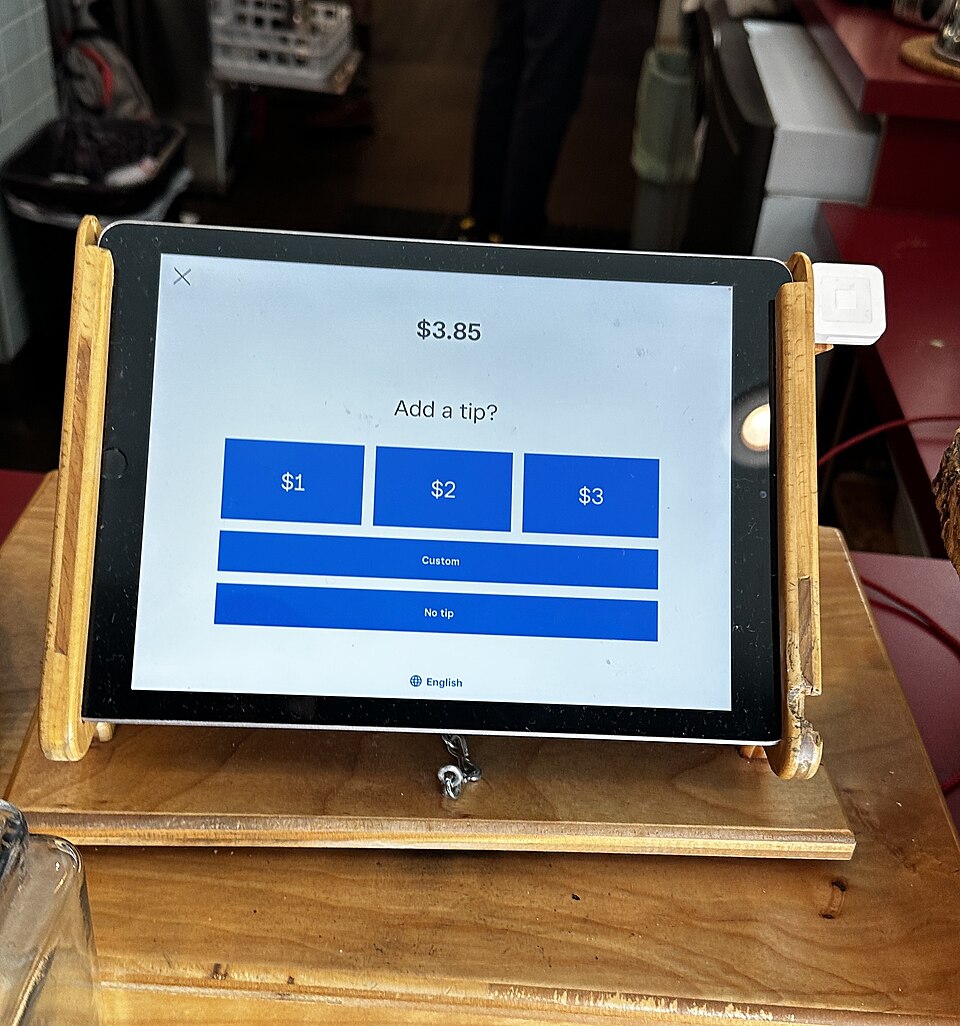
It happens at a coffee shop counter. At a food truck window. At a bakery. At a self-checkout kiosk. A screen turns toward the customer, bright and expectant, offering three familiar options. Eighteen percent. Twenty percent. Twenty-five percent. Or sometimes, just a vague “custom tip” button sitting quietly beneath them like an afterthought.
Behind the counter, an employee waits politely. Behind the customer, another line forms. The pressure is not spoken, but it is deeply felt. This is the new American ritual of guilt tipping, and many Americans are starting to push back as tip prompts spread into more everyday transactions.
The Moment That Started Feeling Different
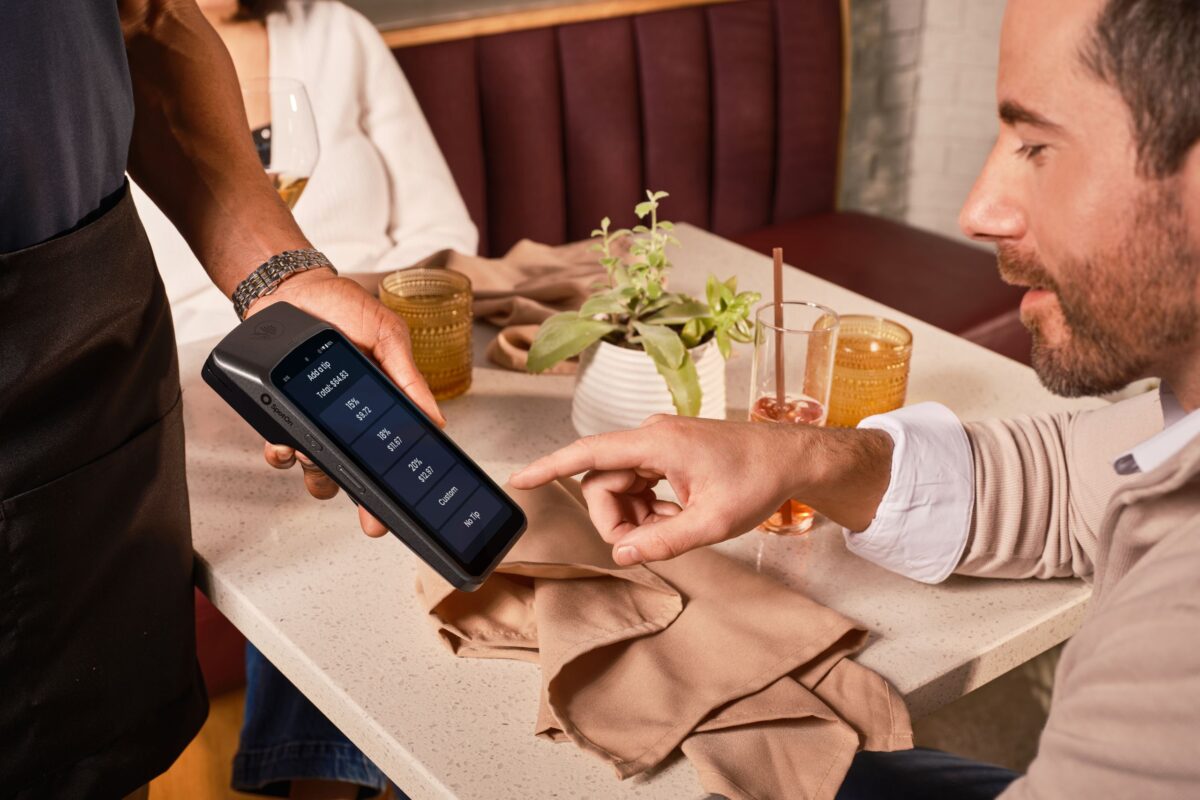
Tipping in the United States was once simple in its structure, even if imperfect in its economics. You sat down, received a service, and afterward decided how much to leave based on your experience.
But digital payment systems quietly changed that timeline. Now, tipping often happens before the service is even completed, and sometimes before it has meaningfully begun. The decision is no longer reflective. It is immediate, public, and often emotionally loaded. This shift is not just about technology. It is about pressure.
Customers are no longer privately leaving cash on a table or signing a receipt in solitude. They are making a visible choice on a glowing screen, sometimes while the employee watches and sometimes while other customers wait just a few feet away. The result is a subtle psychological tension that many people now recognize instantly: the feeling that saying “no tip” is socially unacceptable, even when the service does not match traditional tipping expectations. That feeling has a name now in consumer behavior discussions. Guilt tipping.
Why Americans Are Starting to Feel Tired of It
Recent survey findings from Talker Research suggest a noticeable shift in consumer behavior. Americans reported spending significantly less on tips given under pressure or out of discomfort in 2025 than the year before. The monthly amount dropped from roughly the high thirties to the mid twenties on average.
On paper, that may look like a small financial adjustment. In reality, it signals something deeper. People are actively reassessing when tipping feels appropriate and when it feels forced. This is not a rejection of service workers. It is a reaction to the expanding reach of tip prompts in everyday life.
A decade ago, tipping expectations were concentrated in restaurants, bars, hotels, and delivery services. Today, they appear in places that never traditionally included tipping. Ordering a muffin to go. Buying a bottled drink. Grabbing a pre-packaged snack. Even quick self-service transactions can now end with a request for an added gratuity.
For many consumers, the question is no longer “Should I tip for good service?” It has become “Why am I being asked to tip here at all?” That shift in mindset is where the friction begins.
The Psychology Behind the Discomfort
What makes guilt tipping so powerful is not the money itself. It is the social pressure wrapped around it.
Research on human behavior has long shown that people are more likely to comply with requests when they feel observed. In traditional tipping, the interaction is balanced. A service is completed, appreciation is evaluated, and the customer decides privately. But digital tipping systems remove privacy from the equation.
The customer is now making a decision in real time. There is often no natural pause. No separation between receiving the product and being asked for additional payment. The transition is instant, and that immediacy creates discomfort.
The design of the interface can also influence behavior. Suggested tip percentages are often preselected. The lowest option may appear smaller or less visually emphasized. In some cases, skipping the tip requires an extra step, while accepting one is a single tap.
These small design choices matter more than most people realize. They turn a financial decision into a psychological test. And in that moment, many customers are not asking themselves what is fair. They are asking themselves what avoids awkwardness.
The Economic Reality Behind the Tension
The emotional conflict surrounding tipping in America is rooted in a real economic structure. In many parts of the United States, tipped workers receive a lower base wage under federal labor guidelines, with the expectation that tips will bring total earnings up to minimum wage levels. This system places part of the worker’s income directly into customers’ hands.
That reality creates a moral weight for consumers. People know that tips are not just bonuses. In many cases, they are an essential income.
At the same time, everyday costs for consumers have risen sharply across housing, food, transportation, and services. Households are increasingly aware of how small, repeated expenses accumulate over time. A dollar tip here, a suggested gratuity there, and suddenly a routine coffee run feels noticeably more expensive than it did a few years ago.
This is where the conflict becomes personal. People are not rejecting workers. They are managing limits.
The Rise of Selective Tipping Behavior
Instead of abandoning tipping altogether, Americans appear to be developing a more selective approach. Sit-down dining still largely follows traditional expectations. Table service, extended attention, and personalized care continue to justify tipping for most customers. Delivery services also remain widely supported, especially when distance, weather, or effort is involved.
But quick service environments are changing. At counters where interaction lasts only seconds, more customers are questioning whether a tip is necessary. In these situations, the emotional pressure of the screen feels disconnected from the actual service experience.
This is where behavior is quietly shifting. Customers are not becoming less generous. They are becoming more deliberate.
They are asking sharper internal questions before tipping. Was there meaningful service involved? Was there effort beyond basic transaction handling? Does this situation align with traditional tipping norms, or has the expectation expanded beyond its original purpose? These questions are becoming part of a new informal consumer logic.
The Businesses Caught in the Middle
For businesses, this shift presents a delicate challenge. On one hand, tip prompts are often built into modern payment systems by default. They are easy to activate and widely used across industries. On the other hand, the customer experience they create can be unpredictable.
Some customers feel encouraged and respond positively. Others feel pressured and leave feeling uncomfortable. That emotional reaction matters more than many businesses realize, because it affects how customers remember the experience.
A purchase is no longer just about the product. It is about how the transaction felt. A smooth, respectful checkout process can build loyalty. A tense or awkward one can quietly erode it.
This is why some businesses are beginning to rethink how tipping is presented. Simpler interfaces. Clearer messaging. Less aggressive prompts. More emphasis on the optional choice rather than the expectation. The goal is not to eliminate tipping. The goal is to remove pressure from it.
A Cultural Shift Happening in Real Time
What is unfolding around guilt tipping is not just a consumer complaint. It is a cultural adjustment driven by checkout screens and the pressure they create. America has always had a complex relationship with tipping. It is part appreciation, part obligation, and part social contract. But digital payment systems have accelerated a change that people are still learning how to navigate.
The result is a subtle but important shift in behavior. Customers are becoming more conscious of where their money goes and why they are being asked for it. They are beginning to separate genuine service from automated prompts. They are drawing personal boundaries in real time at checkout screens across the country.
And in that small moment between the screen and the finger, a larger cultural shift is taking place, one decision at a time.