People Who Always Take Leftovers Home From a Restaurant Often Share These 7 Traits
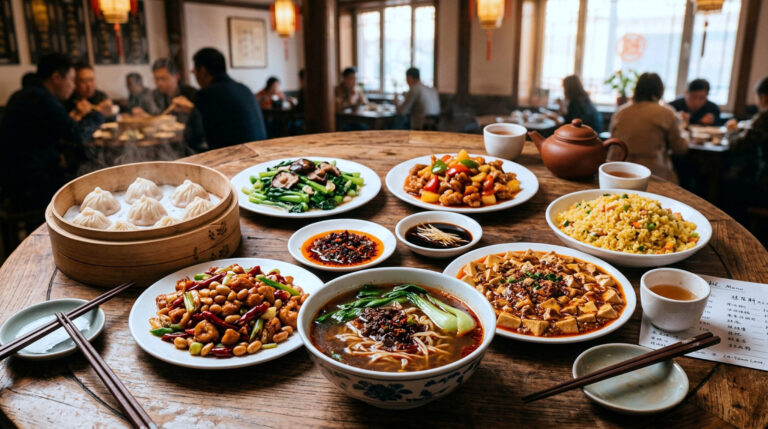
At the end of every restaurant meal, there’s a moment of truth. The server asks, “Can I get you a box for that?” Some people wave it away without a second thought. Others say yes before the question is even finished, already planning tomorrow’s lunch.
If you’re the kind of person who never leaves a restaurant without a takeout container, you’re in good company. Taking leftovers home is a habit that says a lot about how people think about food, money and waste. Many grew up in homes where nothing was thrown away, and they’ve never shaken the lesson. People who always ask for a to-go box tend to share these seven traits.
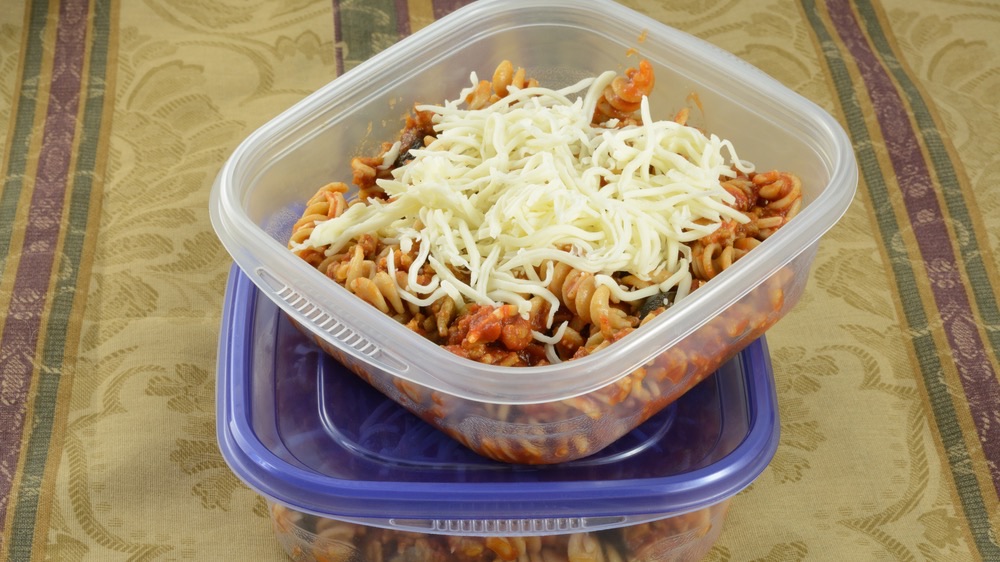
1. They Hate Wasting Food
The most obvious trait is a strong dislike of waste. People who take leftovers home can’t stand the thought of perfectly good food going into the trash. Leaving half a plate of pasta or a few chicken tenders behind feels wrong to them.
Food waste is a big issue in the United States. The EPA estimates that tens of millions of tons of food are wasted every year, much of it from homes and restaurants. Leftover lovers are doing their small part to keep good food out of landfills, even if they’re mostly thinking about tomorrow’s lunch.
2. They’re Smart About Money
Restaurant meals aren’t cheap, and leftover lovers know it. When they pay for a meal, they want to get the full value out of it. Taking the rest home turns one restaurant meal into two, which makes the price feel a lot more reasonable.
This practical approach to money often shows up elsewhere in their lives. They’re the ones who compare prices, use coupons and look for good deals. They don’t see asking for a box as cheap. They see it as making the most of what they’ve already paid for.
3. They Were Raised Not to Waste
Many people who always take leftovers home were raised by parents or grandparents who lived through hard times. They grew up hearing that you finish your plate, save what’s left and never throw away good food. Those lessons stuck.
For many baby boomers and older Americans, these values came from parents who lived through the Great Depression and World War II, when food was scarce and nothing went to waste. Our sister site shares how grandma made every dollar do double duty, a mindset many leftover lovers still follow.
4. They Plan Ahead
Leftover lovers are often natural planners. When they take a box home, they already know what they’ll do with it. That half a sandwich becomes tomorrow’s lunch, and the extra rice becomes part of tonight’s stir-fry.
They’re also the kind of people who keep their refrigerators organized and know what’s inside. They rarely forget about leftovers in the back of the fridge. To them, a to-go box isn’t just about saving food. It’s about having one less meal to worry about later.
5. They Enjoy Food More Than Once
Some people genuinely believe certain foods taste even better the next day. Pizza, lasagna, curry, chili and fried rice are often favorites for second-day enjoyment. Leftover lovers know which dishes improve overnight and plan accordingly.
They often look forward to their leftovers almost as much as the original meal. For them, a restaurant meal is a gift that keeps on giving. Some even order a little extra on purpose, knowing they’ll enjoy it again later.
6. They’re Not Worried About What Others Think
Some people feel embarrassed asking for a to-go box, especially on a date or at a fancy restaurant. Leftover lovers don’t care. They’d rather take home their food than worry about looking frugal in front of others.
That confidence often shows up in other areas of their lives too. They make choices that make sense for them, even if others might judge. Many older Americans in particular say they’ve stopped worrying about what other people think, and asking for a box is a small example of that freedom.
7. They Respect the Cook and the Food
Finally, people who always take leftovers home often have a deep respect for food and the people who make it. They know a chef or cook put effort into the meal, and they want to honor that work by enjoying every bite, even if it’s the next day.
This respect often comes from experience in the kitchen. Many leftover lovers cook at home and understand how much time, effort and money goes into preparing a meal. Leaving food behind feels like disregarding all of that.
Restaurant Portions Make It Easy
Restaurant portions in the United States are famously large, which makes taking leftovers home almost a necessity for many diners. Many people simply can’t finish what’s on their plate in one sitting, especially older adults whose appetites have changed.
Some restaurants have started offering smaller portions or half orders to reduce waste. But for many diners, taking a box home is still the easiest solution. It’s one reason the to-go container has become such a familiar part of eating out in America.
The Doggy Bag Has a Long History
Taking restaurant leftovers home isn’t a new idea. The “doggy bag” became popular in American restaurants in the mid-20th century, when diners would ask for scraps to take home, supposedly for the family dog. Over time, everyone knew the leftovers were really for the people.
Today, nobody needs an excuse. Most restaurants hand out sturdy containers without a second thought, and many diners treat the to-go box as part of the meal. In some other countries, though, asking for leftovers is still considered unusual, which makes it one of the more distinctly American dining habits. For leftover lovers, it’s simply common sense.
A Few Smart Leftover Habits
People who take leftovers home often follow a few simple habits to make the most of them. They refrigerate leftovers within two hours, eat them within three to four days, and reheat them until they’re hot all the way through, following basic USDA food safety guidance.
They also choose which dishes to box up wisely. Fried foods may get soggy, while soups, pasta and rice dishes usually reheat well. If you’re a proud member of the to-go box club, you’re not just saving money. You’re carrying on a tradition of thrift and respect for food that many families have passed down for generations.