The World’s Smelliest Foods: Strange Scents, Surprising Flavors
Some foods make you hungry the moment you smell them. Others make you pause, look around, and wonder, “Wait… people actually eat this?”
But here’s the surprising thing: a powerful smell does not always mean a food is unpleasant. Around the world, many beloved foods have aromas that newcomers describe as shocking, strange, or even impossible. The secret is that smell is only one part of the experience. The texture, flavor, tradition, and memories connected to a food often tell a completely different story.
From tropical fruit and fermented soybeans to aged cheese and fish-based seasonings, these foods teach an important lesson: sometimes your nose warns you, but your taste buds find the reward.
Durian: The King of “What Is That Smell?”
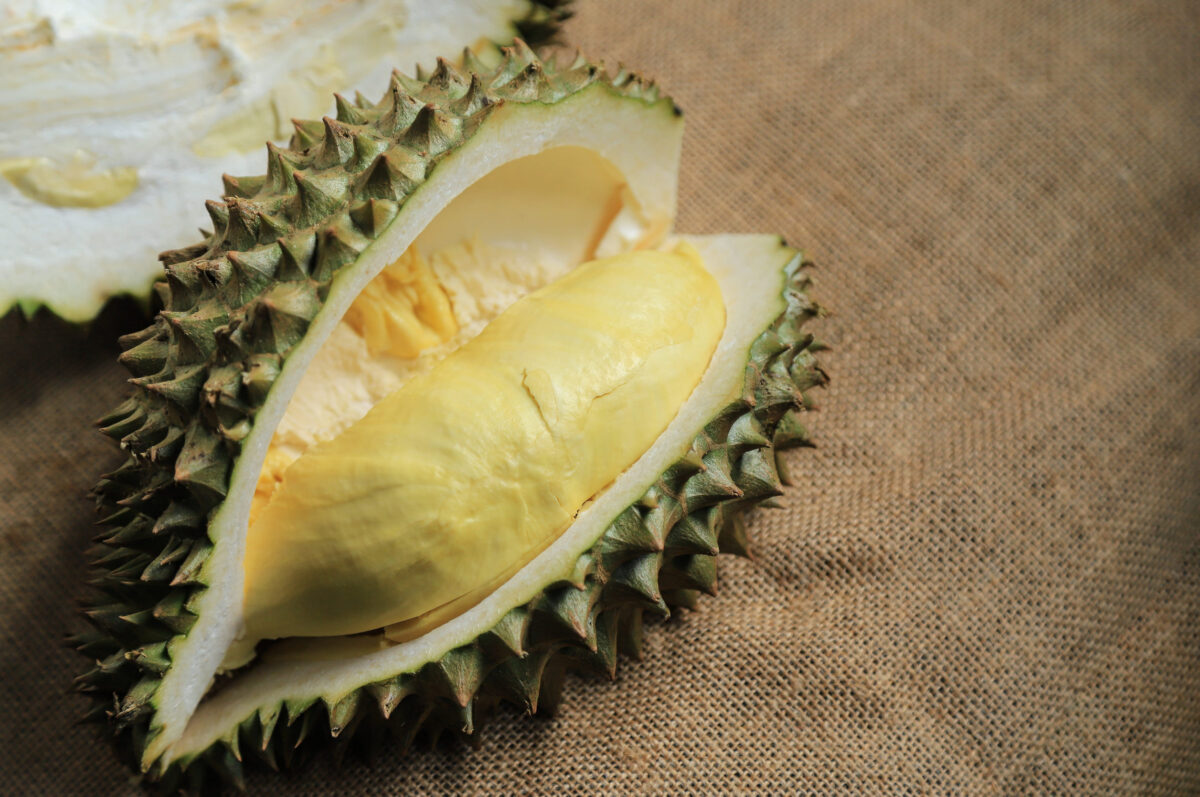
Few foods have a reputation quite like durian. This spiky Southeast Asian fruit is famous for an aroma that some people compare to onions, garlic, or sulfur. The smell comes from naturally occurring sulfur compounds released as the fruit ripens , not because the fruit is spoiled or fermented.
Yet inside that intimidating smell is a soft, creamy fruit with devoted fans. Many describe ripe durian as custard-like, sweet, rich, and almost dessert-like, with flavors that can remind people of vanilla, caramel, almonds, or banana.
For many Southeast Asian communities, durian is more than a strange-smelling fruit. It is a seasonal favorite, a cultural icon, and a major part of local food traditions.
Stinky Tofu: The Street Food That Announces Itself
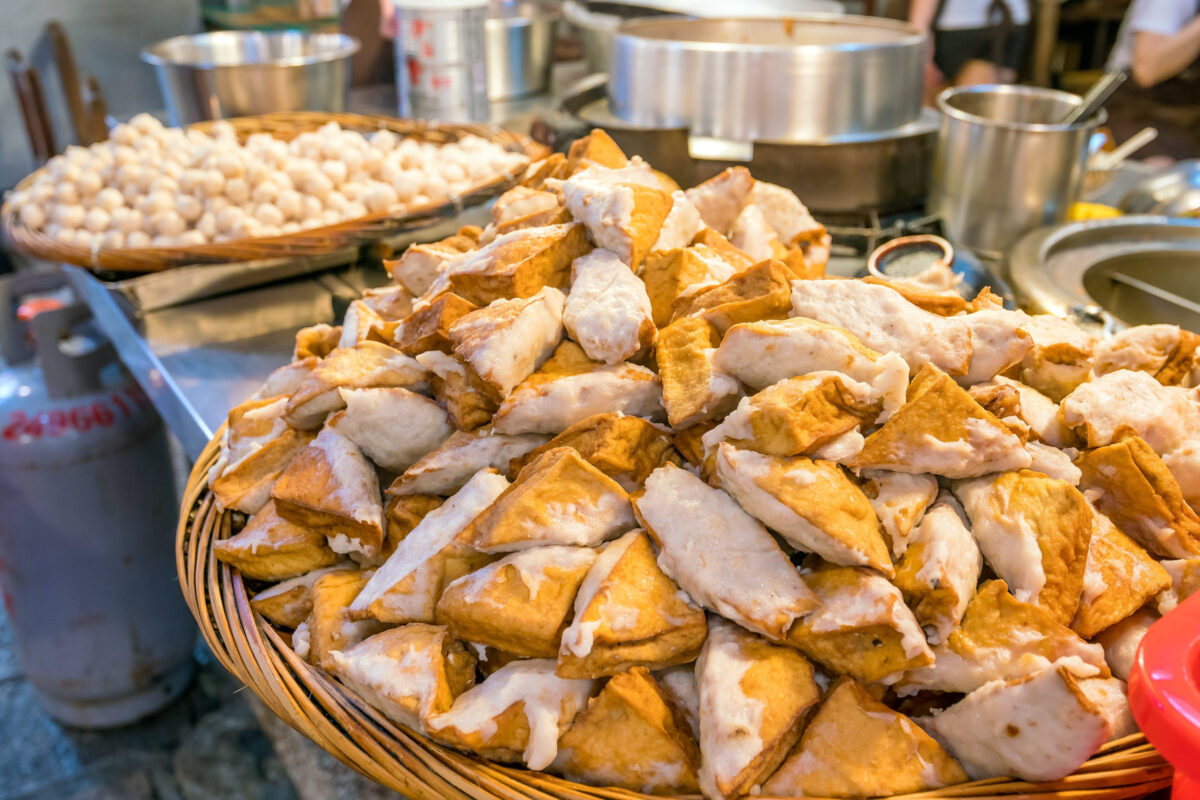
Stinky tofu has one of the most honest names in the food world. This Chinese fermented tofu is famous because its aroma arrives before the dish does. Depending on the recipe and fermentation process, people may describe the smell as earthy, sour, sulfurous, cheesy, or intensely funky.
The surprise comes after the first bite. Fried stinky tofu is often crispy on the outside and soft inside, with a much gentler flavor than its smell suggests. It is usually served with toppings like pickled vegetables, chili sauce, garlic, or herbs that add sweetness, spice, acidity, and crunch.
For fans in places like China and Taiwan, the aroma isn’t a problem to overcome,it is part of the snack’s identity.
Natto: The Sticky Soybean Challenge
Natto is a Japanese fermented soybean dish that tests people in two ways: its smell and its famous sticky texture. Made with Bacillus subtilis fermentation, natto develops a distinctive aroma that some people describe as sharp, earthy, or ammonia-like.
The flavor, however, is much calmer. Natto is savory, nutty, slightly salty, and often eaten with rice, soy sauce, mustard, and toppings like scallions or seaweed.
Its famous strings are also part of the science. The sticky texture comes from poly-γ-glutamic acid produced during fermentation , not from some mysterious “slimy” ingredient.
Limburger and Époisses: When Cheese Gets Serious
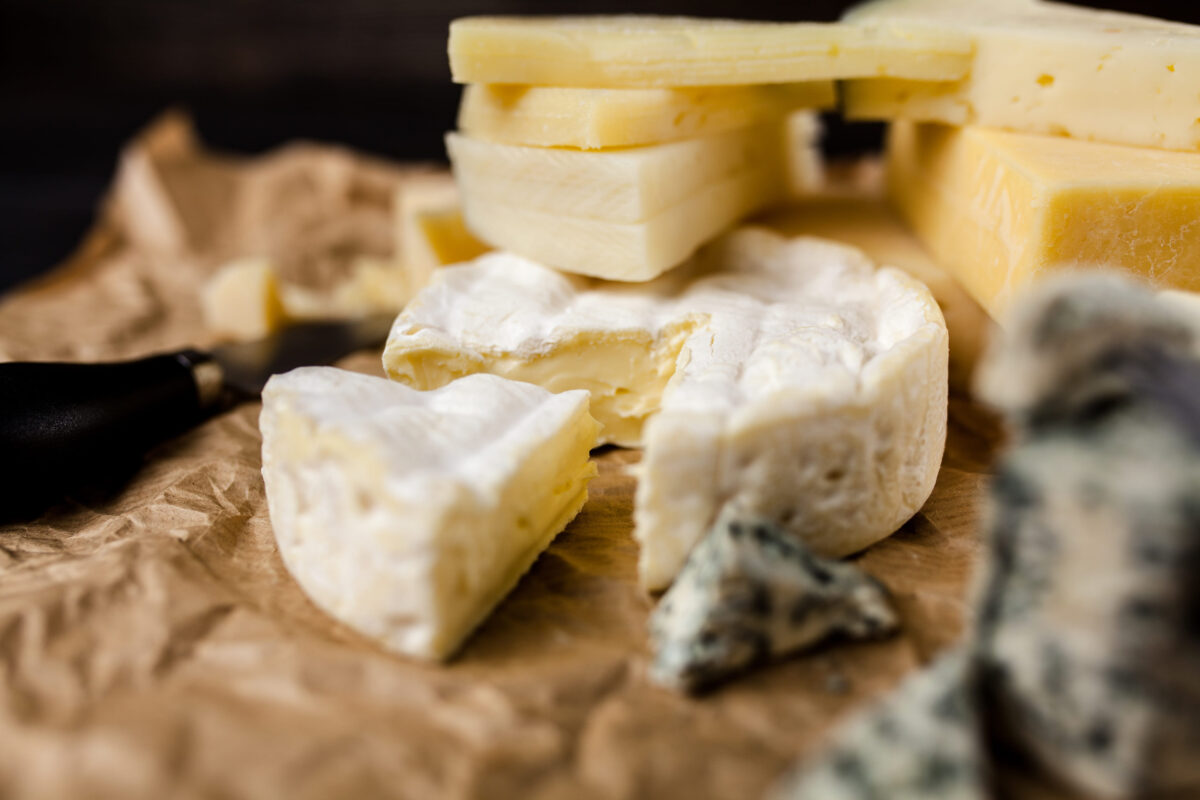
Some cheeses smell powerful enough to make people question whether they are still edible. Limburger is a classic example. Its rind develops a famously pungent aroma because of bacteria involved in surface ripening, especially Brevibacterium linens.
But the inside tells a different story. Properly ripened Limburger can be creamy, buttery, tangy, and savory. Traditionally, it is enjoyed with bread, onion, mustard, and beer , combinations that balance its richness.
Époisses de Bourgogne takes the idea even further. This French washed-rind cheese develops a powerful aroma during repeated washing and ripening, but underneath that bold smell is a soft, luxurious cheese with buttery, savory, mushroom-like flavors.
The lesson from both cheeses? A dramatic smell can hide a surprisingly elegant flavor.
Fermented Fish: Turning Preservation Into Flavor
Several of the world’s most intense-smelling foods come from old preservation traditions. Surströmming from Sweden, hákarl from Iceland, and hongeo from South Korea all use fermentation or curing methods that transform fish into culturally important foods.
Surströmming is fermented Baltic herring with a famously strong aroma, traditionally eaten with bread, potatoes, onions, and dairy accompaniments that balance its salty, sour, umami-rich character.
Hákarl, Icelandic cured shark, has an ammonia-like smell created during curing. It developed as a way to make Greenland shark edible and has become part of Icelandic food heritage.
Hongeo, a Korean fermented skate dish, is another example where the intense aroma is part of the tradition. It is often served as hongeo samhap with boiled pork belly and aged kimchi, creating a balance of flavors and textures.
Fish Sauce: The Bottle That Transforms Food
Fish sauce might be the ultimate example of a food that smells stronger than it tastes. Straight from the bottle, it can seem intensely fishy, fermented, or savory. But once added to cooking, it becomes a powerful flavor builder rather than a simple “fish smell.”
Used throughout Southeast Asia, fish sauce adds saltiness, depth, and umami to soups, sauces, marinades, and stir-fries. A few drops can completely change a dish.
The science behind all these foods is similar: fermentation and ripening create complex compounds that affect aroma, flavor, and texture. Fermentation does not simply make food “stinky”; it transforms ingredients into something new through microbial and enzymatic processes.
So the next time a food smells strange, remember: your first reaction is only one chapter of the story. Around the world, some of the most fascinating foods begin with a smell that makes you hesitate , and end with a flavor people have loved for generations.