Warren says Trump “owes Congress and the American people” a comprehensive accounting of his Iran deal, including “every detail. Now.”
Sen. Elizabeth Warren has intensified political pressure on President Donald Trump, demanding that his administration provide Congress and the American people with a complete explanation of the U.S.-Iran deal that has reshaped Washington’s foreign policy debate. Her message was direct: “Trump owes Congress and the American people a full accounting of his deal with Iran. Every detail. Now.”
The demand lands at a tense moment for the White House. The Trump administration has been trying to defend a fragile diplomatic framework with Iran after months of conflict, disrupted oil shipping, rising public frustration, and renewed debate over presidential war powers. What began as a foreign policy confrontation has now become a domestic accountability fight, with lawmakers pressing for clarity on sanctions relief, nuclear restrictions, the Strait of Hormuz, regional security guarantees, and any undisclosed understandings tied to the agreement.
Warren Says Trump Must Disclose Every Detail of the Iran Agreement

Warren’s central argument is simple: if the administration made a deal that affects U.S. security, global energy markets, military posture, and sanctions policy, then the public deserves to know what was promised. In a formal statement, Warren said the burden is now on the Trump administration to inform Congress and the public about the details of the U.S.-Iran deal, explain its sanctions approach, and ensure the war is brought to an end.
Her criticism is not limited to the existence of negotiations. She has framed the issue as one of democratic oversight. In Warren’s view, the White House cannot ask Americans to accept the political and financial costs of war, then withhold key terms of the agreement used to end or pause it. That position reflects a broader concern in Congress: presidents may conduct diplomacy, but Congress still controls war powers, funding, and oversight.
For Warren, the phrase “every detail” carries weight. It signals a demand for more than a summary, more than a press statement, and more than selective talking points. It means the administration should disclose the text of the agreement, explain any side understandings, clarify enforcement mechanisms, and show how the deal makes the United States safer.
The Iran Deal Has Become a Test of Trump’s Foreign Policy
The U.S.-Iran agreement has quickly become one of the most politically sensitive foreign policy issues of Trump’s term. Reports have described the arrangement as an interim framework designed to reduce hostilities, reopen or stabilize access through the Strait of Hormuz, and create space for broader negotiations on Iran’s nuclear program and regional conduct. Reuters reported that the White House sent the text of an interim U.S.-Iran agreement to Congress, with Washington and Tehran committing to negotiate a final deal within 60 days and allowing that period to be extended by mutual agreement.
That timeline matters because it means the current agreement is not necessarily the final settlement. It is a bridge deal. It may reduce immediate pressure, but it also leaves major questions unresolved. What happens after 60 days? What nuclear limits are binding? What sanctions are waived, suspended, or permanently lifted? What happens if Iran violates the terms? What role do regional partners play? Those are the questions Warren and other critics want answered before the administration declares victory.
The White House has presented the agreement as a step away from war. Critics see something more complicated: a deal reached after a costly confrontation that may have given Iran new leverage while leaving Congress with limited visibility into the actual terms of the bargain.
Sanctions Relief Is at the Center of the Political Fight
One of the biggest questions surrounding the Iran deal is sanctions relief. Sanctions have long been one of Washington’s main tools for pressuring Tehran over its nuclear activities, regional influence, and military conduct. Any move to waive, suspend, or soften those restrictions is politically explosive, especially if lawmakers believe the administration made concessions without sufficient guarantees.
Reuters reported that the United States waived sanctions on Iran for 60 days after early talks under the emerging peace framework. That detail helps explain why Warren is demanding a full accounting. A temporary waiver can be defended as a diplomatic tool, but it still raises serious oversight questions. Which sanctions were waived? What did Iran give in return? Were oil exports affected? Were financial assets involved? Were any restrictions relaxed before Iran completed verifiable steps?
Those questions matter to both parties. Democrats are pressing Trump over transparency and war powers, but some Republicans have also shown discomfort with the agreement. CBS News reported that Trump lashed out at critics of the Iran deal after several Republican lawmakers objected to the terms. That bipartisan unease lends Warren’s demand greater political force, as the concern is not confined to a single ideological camp.
The Strait of Hormuz Raises Global Stakes
The deal is not only about Washington and Tehran. It also involves one of the world’s most important oil transit routes. The Strait of Hormuz has been central to the crisis because disruptions there can quickly affect energy prices, shipping routes, inflation, and global economic confidence.
AP reported that U.S. envoys Steve Witkoff and Jared Kushner arrived in Doha for indirect talks related to implementing an initial deal aimed at ending the war with Iran, with the Strait of Hormuz and free passage for shipping among the key issues. Reuters also reported that Trump said Iran had told the United States it was not seeking tolls or charges on ships passing through the Strait of Hormuz.
That statement may temporarily calm markets, but it does not resolve the oversight issue. Congress still needs to know whether the agreement gives Iran any formal or informal role in maritime coordination, inspection authority, transit approval, security guarantees, or future negotiations over shipping access. In global commerce, a vague understanding can become a major risk if each side interprets it differently.
Warren’s demand is therefore about more than political messaging. It is about whether the United States has accepted terms that could affect oil flows, shipping insurance, military deployments, and the security posture of U.S. allies across the Gulf.
Congress Is Reasserting Its Role After the Iran Conflict
The Iran deal also comes after a major constitutional fight over war powers. The Senate passed a war powers resolution challenging Trump’s authority to continue military action against Iran without congressional approval, reflecting bipartisan concern about the scope of presidential power during the conflict.
That vote gives Warren’s demand a sharper legal and political context. Congress is not simply asking for information as a courtesy. Lawmakers are asserting that they have a constitutional role in decisions involving war, funding, the use of military force, and long-term commitments. If the administration used force, negotiated a framework, waived sanctions, and maintained regional military posture without clear congressional authorization, lawmakers have a strong basis to demand answers.
The funding debate has added another layer. Trump requested $87.6 billion in supplemental funding, with most of it tied to military operations related to the Iran war. That request makes transparency even more urgent. If Congress is being asked to fund the consequences of the conflict, it will want to know exactly what the deal does, what risks remain, and whether the administration’s strategy has changed.
Warren Frames the Deal as a Question of Public Trust
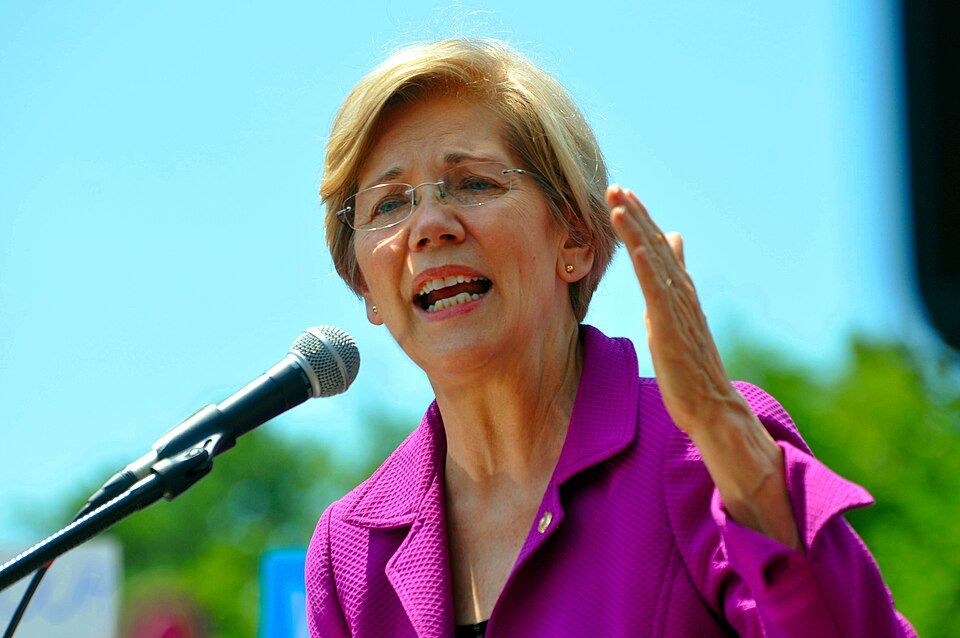
Warren’s criticism is built around the idea that Americans have already paid a price for the Iran conflict. In her statement, she said Trump should not have taken the United States into war with Iran and argued that families faced higher gas and grocery bills while service members and civilians suffered.
That framing is designed to connect foreign policy to everyday life. The Iran conflict is not being presented as a distant diplomatic dispute. It is being tied to household costs, military families, public spending, and national security credibility. That is why the demand for a “full accounting” is politically potent. It asks whether the administration can prove that the costs produced a safer outcome.
In Warren’s view, Trump cannot simply claim success because fighting slowed or markets stabilized. The administration must show what changed, what was gained, what was lost, and what obligations the United States accepted.
The White House Faces Pressure From Both Critics and Supporters
Trump’s challenge is that the Iran deal must satisfy multiple audiences at once. Diplomats want de-escalation. Markets want stable shipping and predictable energy flows. Military officials want enforceable security terms. Iran hawks want proof that Tehran’s nuclear ambitions have been curbed. War-weary voters want the conflict to end. Congress wants oversight.
That is a difficult coalition to manage. Reuters reported uncertainty around Qatar diplomacy, with American envoys in Doha but no clear high-level direct meetings with Iran scheduled. This uncertainty makes the administration’s messaging harder. If the deal is still being implemented through indirect talks, technical meetings, and disputed interpretations, then lawmakers will keep asking what has actually been agreed.
For Warren, that uncertainty is exactly the problem. A deal with unclear terms can create political cover in the short term but strategic confusion in the long term. If Washington and Tehran do not share the same understanding of enforcement, sanctions, shipping, and nuclear limits, the agreement could become another flashpoint rather than a path to stability.
Why “Every Detail” Matters Now
The demand for every detail is not only a partisan slogan. It is the core oversight question facing Washington. Congress needs to know whether the Iran agreement includes enforceable nuclear restrictions, how sanctions relief is structured, whether any assets or financial channels are involved, what happens if Iran violates the terms, how shipping in the Strait of Hormuz will be protected, and whether any side commitments were made to regional actors.
Those details will determine whether the agreement is a serious diplomatic off-ramp or a temporary pause in a larger crisis. They will also shape the political judgment of Trump’s Iran policy heading into the next phase of congressional debate.
Warren’s message has now placed the White House under direct pressure: release the terms, explain the concessions, brief Congress, and let the public see what was negotiated in its name. Until that happens, the Iran deal will remain more than a foreign policy agreement. It will remain a test of transparency, accountability, and whether the administration can defend one of the most consequential decisions of Trump’s presidency.
The Bottom Line on Warren’s Demand for Trump’s Iran Deal
The fight over Trump’s Iran deal is no longer only about diplomacy. It is about who gets to see the terms, who gets to judge the trade-offs, and who gets to decide whether the agreement truly protects American interests. Warren’s demand for a full accounting puts that question at the center of the debate.
If the deal is strong, the administration should be able to show it. If the terms are unclear, Congress has reason to press harder. If there are side agreements, they should not remain hidden from the lawmakers responsible for funding, oversight, and war powers.
For now, Warren’s message is blunt and politically charged: Congress and the American people deserve the full story on Trump’s Iran deal, every detail, now.