Why You Should Think Twice Before Lining Your Oven With Aluminum Foil
Nobody enjoys scrubbing baked-on cheese or sticky casserole spills from the bottom of an oven. So, naturally, aluminum foil seems like a clever solution. Lay down a sheet, catch the mess, and toss it afterward. What’s not to love?
Well, your oven manufacturer might have a few objections. That convenient layer of foil can interfere with how your oven operates, affect your baking results, and potentially damage the appliance. Depending on the oven and where the foil goes, manufacturers also identify more serious safety concerns.
But here’s an important distinction: lining the oven floor isn’t the same as using a small sheet of foil to catch drips on a lower rack.
Before reaching for the foil roll, here are seven things worth knowing.
Foil Can Block the Airflow Your Oven Needs
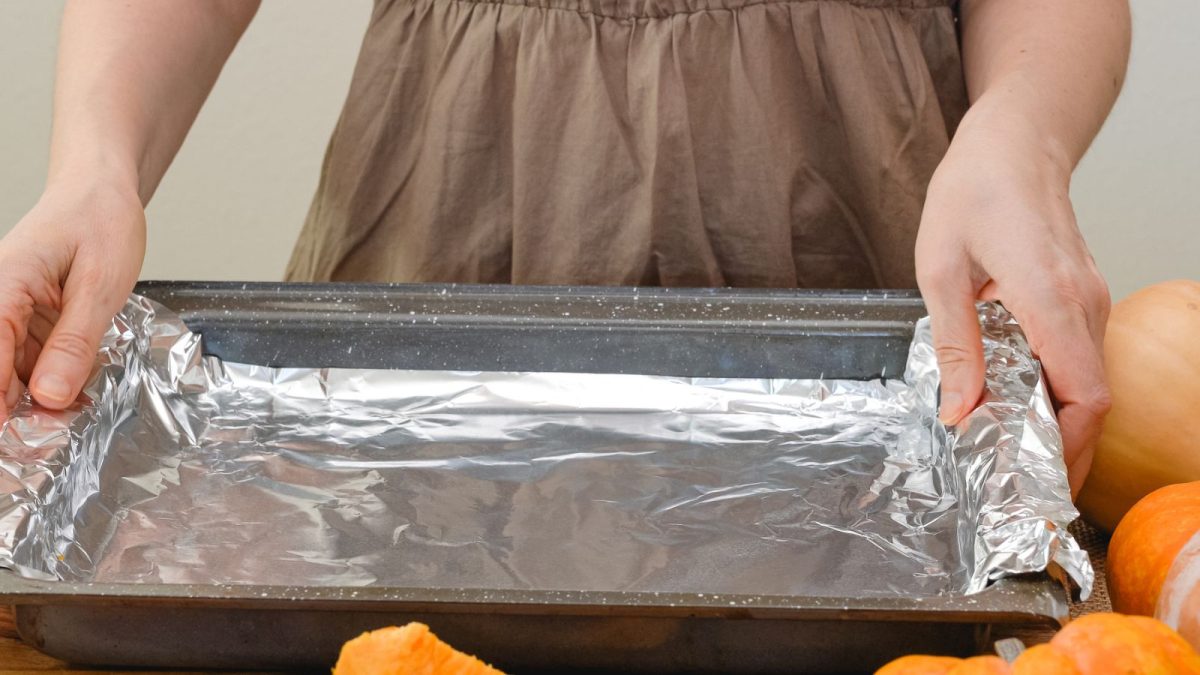
Your oven needs room for hot air to circulate. Covering the bottom or an entire oven rack with aluminum foil can interfere with that process.
According to Whirlpool’s baking guidance, covering the oven bottom or a complete rack with foil can prevent proper airflow.
Think of it this way: your oven is designed to heat food within a particular arrangement of racks and open spaces. Adding a broad sheet of foil where it doesn’t belong changes that arrangement.
For gas ovens, the concern can extend beyond cooking performance. GE Appliances warns that blocking the oven’s bottom openings or covering an entire rack can restrict airflow and may cause carbon monoxide poisoning.
That warning applies to the specific airflow obstructions GE describes, not every use of aluminum foil. The practical lesson is simple: don’t assume an empty oven surface is an appropriate place for a foil lining.
Trapped Heat Can Interfere With Oven Performance
Aluminum foil may look thin and harmless, but placing it on the oven floor can affect how heat behaves inside the appliance.
GE Appliances explains that foil covering the oven bottom can trap heat underneath, interfering with oven performance.
That’s a separate problem from blocking airflow. Even when your goal is simply to protect the surface from spills, the foil may change conditions inside the oven in ways the manufacturer doesn’t recommend.
GE also warns that foil linings can trap heat and create a fire hazard. Its guidance separately identifies potential shock or fire hazards associated with foil lining the bottoms of electric ovens.
These warnings don’t mean that wrapping food in foil or using an approved drip-catching arrangement carries the same concerns.
They do mean that turning your oven floor into a foil-covered cleanup tray isn’t a shortcut worth assuming is acceptable.
Related: 5 Common Foods That Become Toxic When Reheated
Foil Can Damage the Oven’s Bottom Finish
Saving yourself a little cleanup today could leave you with an appliance problem that’s much harder to fix.
GE cautions that aluminum foil can melt and permanently damage the bottom of an oven. This isn’t simply about foil getting dirty or becoming difficult to remove. The manufacturer’s concern is damage to the actual oven surface.
A Whirlpool quick-start guide similarly instructs owners not to line the oven bottom with foil or other liners because doing so can permanently damage the finish.
There’s also a financial consideration. GE states that damage caused by improper aluminum foil use isn’t covered by its product warranty. That doesn’t mean every use of foil automatically voids an oven’s entire warranty.
If you’re trying to keep the oven looking good, covering its floor with foil could work against that very goal.
Covering an Entire Rack Can Affect How Food Browns
Ever pulled a tray of baked goods from the oven and wondered why they didn’t brown evenly? There are several possible explanations, and aluminum foil placement is one worth checking.
Whirlpool’s troubleshooting guidance identifies covering an entire oven rack or the oven bottom with foil as a practice that can block proper airflow and contribute to uneven browning.
In other words, the foil you placed beneath your baking pan to make cleanup easier might be interfering with the cooking results you’re trying to achieve.
Of course, foil isn’t automatically responsible whenever something browns unevenly. Whirlpool also points to pan spacing, bakeware type, rack position, and oven calibration as factors worth investigating.
Before adjusting your favorite recipe or blaming the oven temperature, check whether anything is unnecessarily covering the rack.
Sometimes better baking starts with removing an obstacle rather than changing the ingredients.
Foil Shouldn’t Touch the Heating Elements
Using aluminum foil around food is different from allowing it to come into contact with parts of your oven.
The Whirlpool quick-start guide cited above specifically cautions users to prevent aluminum foil and meat probes from contacting heating elements.
That’s an important instruction to remember when positioning foil around dishes or arranging items inside the oven.
Heating-element layouts vary among appliances, so don’t assume that what works in one oven will be appropriate in another.
The takeaway isn’t to abandon foil for cooking. It’s to use it only in arrangements permitted by your appliance instructions, keeping it away from heating elements as directed.
Related: 5 Healthy Foods That Actually Turn Toxic When You Reheat Them
Catching Drips Requires the Right Placement
Here’s some welcome news for anyone who dreads cleaning up an overflowing fruit pie: certain ovens allow aluminum foil to catch drips.
The catch? Placement matters enormously.
GE Appliances provides specific guidance for using a limited sheet of foil on a lower oven rack. Under its recommendations, the foil should:
- Sit several inches below the food.
- Be no larger than necessary.
- Never cover the entire rack.
- Remain at least 1½ inches away from the oven walls.
Those measurements and instructions come from GE and shouldn’t automatically be applied to every oven brand or model.
Reynolds Wrap also recommends using a modest sheet of heavy-duty foil beneath a pie or casserole to catch spills, with the sheet only a few inches larger than the baking pan.
The distinction is worth remembering. A limited sheet positioned on an approved rack isn’t equivalent to covering the entire oven floor.
And before trying either company’s suggestion, make sure the instructions for your particular appliance permit that arrangement.
A cleaner oven is the goal, but protecting its performance should come first.
Your Oven Manual Should Make the Final Call
Kitchen shortcuts often get passed along as though they work everywhere. Someone lines their oven with foil, finds cleanup easier, and recommends the trick to everyone else.
Unfortunately, appliances don’t all come with identical instructions. GE specifically tells owners to consult the safety precautions in their oven manuals. Whirlpool also directs customers to model-specific manuals and product literature when looking for guidance about aluminum foil.
That makes your owner’s manual the most useful place to settle the question.
Check what it says about lining the oven floor, covering racks, catching spills, and keeping materials away from heating elements. Don’t assume an approved method for one appliance automatically applies to yours.
And if you’re thinking about replacing aluminum foil with a reusable liner, proceed carefully. GE explicitly warns against placing similar products, including silicone liners, on the oven bottom.
A product being marketed as an oven liner doesn’t necessarily mean your particular appliance manufacturer approves it.
Aluminum foil still has plenty of practical uses in the kitchen, but covering your oven floor or an entire rack can introduce problems that outweigh the convenience.
Some manufacturers permit carefully positioned foil for catching drips, while others may have different requirements.
Before attempting that cleanup shortcut, check your oven’s owner’s manual. The right placement, or the decision not to use a liner at all, can help you avoid an unnecessary appliance problem.