10 American Food Traditions Built Around One Particular Day of the Week
Some meals are so closely tied to a particular day that eating them any other time almost feels like breaking an unwritten rule. In New Orleans, Mondays belong to red beans and rice. Wisconsin has its famous Friday fish fry, while Sunday brings everything from bubbling pots of Italian-American sauce to leisurely brunches.
These traditions didn’t appear out of nowhere. Some grew from religious customs, others from household chores, immigration, or the need to make a little food go a long way.
A few are still part of weekly routines, while others offer a delicious glimpse into America’s past. Here are ten food traditions that show how the calendar helped shape what Americans put on their plates.
Monday Red Beans and Rice in New Orleans
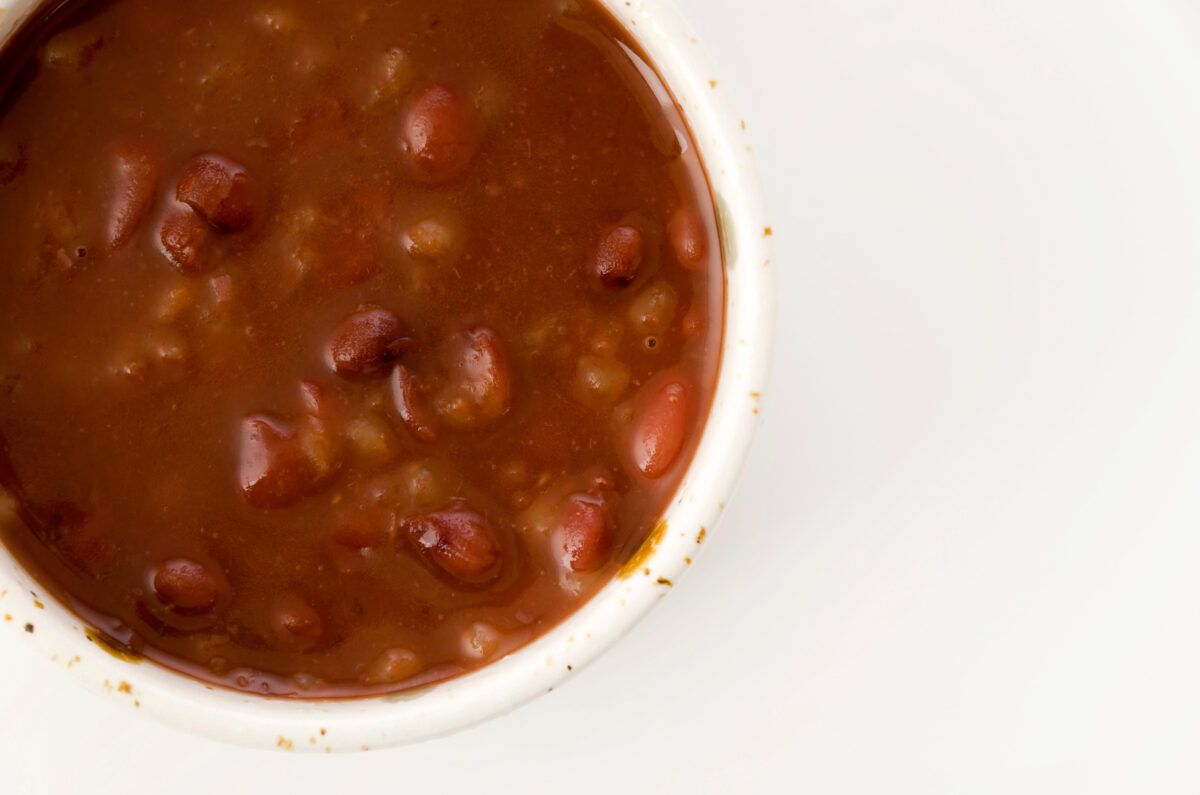
In New Orleans, Monday has a flavor all its own, and it usually involves a steaming bowl of red beans and rice.
The traditional explanation goes back to when Monday was laundry day. Families could leave beans simmering while tackling piles of washing, often using a ham bone left over from Sunday’s dinner.
Historians caution that this familiar story isn’t a proven account of the tradition’s beginning. Still, the Monday connection remains deeply rooted in New Orleans food culture.
Today, restaurants serve the dish as a Monday special, sometimes adding sausage, pork chops, or fried chicken. It’s a comforting reminder that the simplest meals can become the most beloved traditions.
Meatless Monday Across America
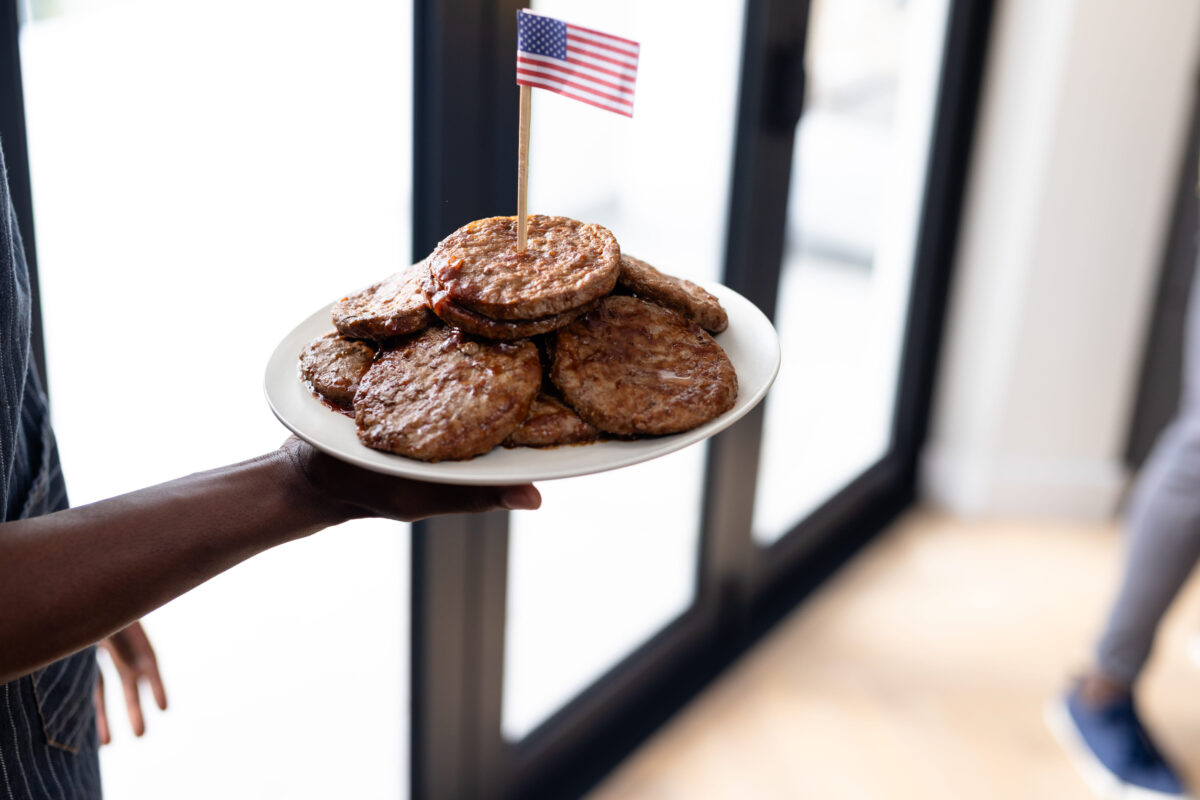
Monday doesn’t always have to involve meat. For some Americans, it’s an opportunity to prepare something different.
The modern Meatless Monday campaign launched in 2003 through an initiative involving Johns Hopkins and advertising executive Sid Lerner.
The idea was straightforward: encourage people to leave meat off the menu one day each week.
Unlike older food customs passed down through families, Meatless Monday grew through organized campaigns and institutional participation.
There isn’t one official dinner. A household might prepare vegetable pasta, a bean-based casserole, or another meat-free favorite. The tradition is less about following a recipe and more about changing the usual Monday routine.
Wheatless Wednesday During World War I
Here’s a Wednesday food tradition you probably won’t find on many modern dinner calendars.
During World War I, Americans were encouraged to observe Wheatless Wednesday as part of a national food-conservation effort.
Beginning in 1917, the U.S. Food Administration promoted changes in household cooking to help conserve supplies for troops and Allied populations.
Families experimented with alternatives to wheat flour, including corn and oats. The government even published recipes to help households adjust.
The campaign wasn’t merely about skipping bread. It required creativity in kitchens where wheat products were everyday staples.
Wheatless Wednesday isn’t a widespread modern custom, but it remains a fascinating example of how national events once shaped weekly meals.
Friday Fish Fry in Wisconsin
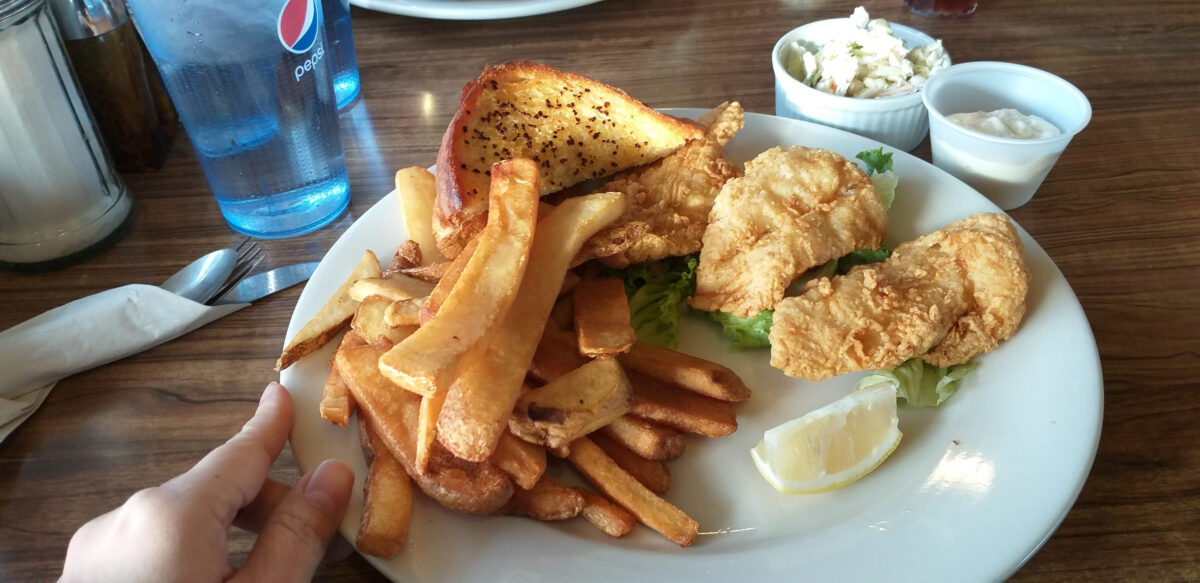
If you happen to be in Wisconsin on a Friday evening, there’s a good chance you’ll encounter a fish fry.
The familiar plate might include beer-battered perch, walleye, or cod, accompanied by fries, coleslaw, tartar sauce, and rye bread.
The tradition has strong connections to Catholic practices of abstaining from meat on Fridays, as well as Wisconsin’s fishing communities and German and Polish immigrant heritage.
Although U.S. Catholic rules changed in 1966, the Friday fish fry continued beyond its original religious framework.
Today, supper clubs, taverns, and restaurants keep the custom going throughout the year.
And while fish is the main attraction, those crispy potatoes and generous sides certainly help explain the tradition’s staying power.
Friday-Night Shabbat Dinner in Jewish American Homes
For many Jewish American families, Friday evening marks something more meaningful than the end of the workweek.
It’s the beginning of Shabbat, the Jewish Sabbath, which starts at sundown.
Traditional Friday-night dinners include blessings over wine or grape juice and bread, often challah. Depending on family heritage, the meal might feature chicken soup, roast chicken, kugel, fish, or other dishes.
There isn’t one universal Shabbat menu. Jewish communities have brought different culinary traditions into American homes, creating considerable variety.
The meal’s significance extends beyond its ingredients. Gathering around the table provides an opportunity to welcome the Sabbath, share food, and maintain family and religious customs.
Saturday Baked Beans in New England
Long before baked beans became a familiar canned convenience, they were connected to a particular weekend routine in New England.
Families traditionally prepared beans on Saturday, allowing them to cook slowly before Sunday.
This schedule suited households observing the Sabbath, when limiting cooking and other work was important.
Boston-style baked beans became associated with molasses, salt pork, and slow cooking. Brown bread was another familiar companion.
Historical accounts connect the ingredients to multiple cultures and trade networks, rather than one unchanged colonial recipe.
Community bean suppers later helped preserve the tradition, proving that a humble pot of beans could bring neighbors together.
Saturday Cholent in Jewish American Communities
Some meals are worth preparing the night before, and cholent is a perfect example.
This hearty stew, especially associated with Ashkenazi Jewish cooking, traditionally contains ingredients such as beef, beans, barley, and potatoes.
It’s prepared before Shabbat begins on Friday and kept cooking or warm using methods consistent with religious observance, ready for Saturday lunch.
Historically, some European Jewish families placed their pots in communal bakers’ ovens and collected them later.
American households have adapted the preparation using modern kitchen equipment.
Related Sabbath stews appear in other Jewish culinary traditions, each with its own ingredients and methods.
The result is a meal whose timing is just as important as its flavor.
Sunday Sauce in Italian-American Families
For some Italian-American families, Sunday announces itself through the smell of tomato sauce simmering on the stove.
Known as Sunday sauce or Sunday gravy, depending on the household, this meal often involves tomatoes cooked slowly with meatballs, sausage, pork, beef, or braciole.
The tradition draws from southern Italian cooking and the family gatherings that immigrants continued in America.
Sunday offered time for a longer preparation and a shared meal.
Chef Lidia Bastianich has described memories of Sunday cooking beginning early in the day, filling the house with familiar aromas.
Of course, families can disagree passionately about ingredients and whether the proper word is sauce or gravy. That’s part of the tradition, too.
Sunday Fried Chicken and the Gospel Bird
In African-American church and family food traditions, fried chicken has long held a special place at Sunday gatherings.
Food historian Adrian Miller documents its connection to worship, hospitality, and family meals, including the nickname “Gospel Bird.”
Before modern supermarket convenience, preparing fried chicken involved considerable work, making it particularly suitable for special occasions and communal dinners.
After church services, families and congregations might gather around tables filled with fried chicken, cornbread, vegetables, and other homemade dishes.
The meal’s importance wasn’t simply about what was served. It was also about bringing people together, sharing hospitality, and continuing traditions across generations.
Sunday Brunch Across America
Sunday brunch may be the most flexible tradition on this list. Nobody agrees on one required dish, and that’s precisely the appeal.
The concept developed in Britain during the late nineteenth century. In 1895, writer Guy Beringer argued for a relaxed Sunday meal that allowed people to sleep later and skip an early, elaborate dinner.
Brunch later became popular in American hotel and restaurant culture, particularly during the twentieth century.
Today, the menu might include pancakes, eggs, waffles, sandwiches, or something entirely unexpected.
Saturday brunch has become common, too, but Sunday retains its longstanding association with lingering over a meal and enjoying a slower start to the day.
Why These Weekly Food Traditions Still Matter
America’s food calendar tells stories that ordinary recipes sometimes leave out.
Monday beans recall household routines. Friday fish fries reflect religious and immigrant traditions. Saturday stews reveal how cooking methods adapted to faith, while Sunday meals celebrate family and community.
Not every tradition survives in its original form, and not every household follows the same schedule. Yet each one shows how food can become attached to a day, a place, and a shared memory.
Sometimes, the most interesting thing about dinner isn’t what’s on the plate. It’s why that particular meal ended up there on that particular day.