
10 Things That Can Now Be Grown in Labs
Once considered a far-fetched dream, lab-grown products are now reshaping entire industries, offering more sustainable, ethical, and efficient alternatives to traditional methods. From cultivating meat without slaughtering animals to growing diamonds in controlled environments, science is changing the game across sectors.
These innovations not only solve critical challenges in food production, healthcare, and luxury goods but also push us closer to a future in which nature’s processes are mimicked, scaled, and improved. This shift is not just a trend but a fundamental transformation, one that could render many of our outdated industries obsolete.
Lab-Grown Meat
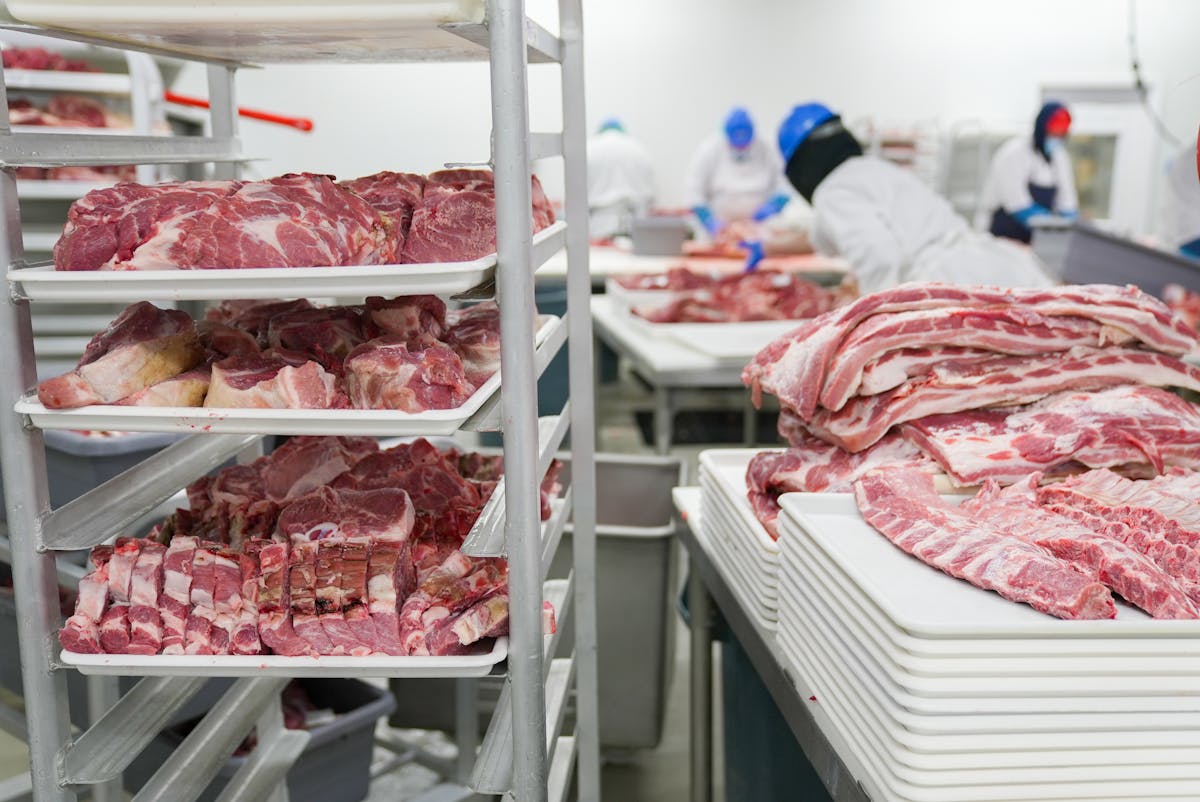
Cultivated meat, produced by growing animal cells in labs rather than raising animals, is leading the charge in food innovation. This method eliminates the need for traditional livestock farming, reducing animal suffering and environmental impact.
With growing interest in sustainability, lab-grown meat is proving to be a viable alternative to conventional meat production. It promises to revolutionize the food industry by offering a more ethical, eco-friendly way to produce protein, changing the way we think about meat and animal agriculture forever.
Lab-Grown Human Skin
Scientists have made significant strides in growing lab-generated human skin, opening new possibilities for burn victims and those requiring reconstructive surgery. By using stem cells, researchers can create skin grafts that perfectly match the body’s needs, offering a more customizable solution than traditional skin grafts.
This innovation not only benefits healthcare but also has implications for the beauty industry, where lab-grown skin models are helping brands test products in an ethical, animal-free way.
Lab-Grown Diamonds

Lab-grown diamonds are rapidly gaining popularity due to their affordability, ethical production, and identical qualities to mined diamonds. Unlike traditional diamonds, which are often linked to unethical mining practices and environmental degradation, lab-grown diamonds are produced in controlled settings, offering a cleaner and more sustainable option.
These diamonds challenge the age-old notion of rarity in luxury goods, providing consumers with high-quality gems without the environmental or ethical concerns associated with mining.
Cow-Free Cheese Proteins
Plant-based cheese has long struggled with texture and flavor, especially when it comes to replicating the melt and stretch of real cheese. Lab-grown dairy proteins, produced through fermentation, offer a breakthrough for plant-based cheese.
By cultivating casein and other essential milk proteins without using animals, companies can create cheeses that closely mimic the taste and texture of dairy, offering a more sustainable and ethical alternative to traditional cheese production.
Lab-Grown Red Blood Cells
Lab-grown red blood cells are poised to revolutionize transfusion medicine by addressing the global shortage of donated blood. In clinical trials, scientists have successfully grown red blood cells from stem cells and transfused them into patients, potentially eliminating the need for human blood donations.
This innovation could address critical challenges in healthcare, especially for patients with rare blood types or those who require frequent transfusions, making the blood supply more reliable and accessible.
Lab-Grown Chocolate

The chocolate industry faces growing challenges related to cocoa farming, including climate change, crop diseases, and unsustainable farming practices. Lab-grown cocoa offers a sustainable solution, allowing companies to cultivate cocoa butter in controlled environments.
By bypassing traditional cocoa farming, lab-grown chocolate could reduce environmental strain and help stabilize cocoa supply chains. This innovation holds the potential to create more ethical, eco-friendly chocolate products without compromising on taste or texture.
Lab-Grown Fruit Cells
Lab-grown fruit is an exciting development that could address issues related to food waste, climate instability, and transportation inefficiencies. By growing fruit cells in labs, scientists can produce fruit without seeds or cores, making the entire edible portion available for consumption.
This technology could also help grow fruits in areas with harsh climates, contributing to food security and reducing the carbon footprint of transporting fresh fruit over long distances.
Lab-Grown Leather
Lab-grown leather is a game-changer in the fashion industry, enabling the creation of luxurious, high-quality leather products without harming animals. By cultivating collagen from animal cells, researchers can produce leather that mimics the texture, durability, and aesthetic of traditional animal hides.
This ethical alternative to conventional leather could reshape the fashion industry, offering a sustainable, cruelty-free option for designers and consumers alike.
Lab-Grown Caviar
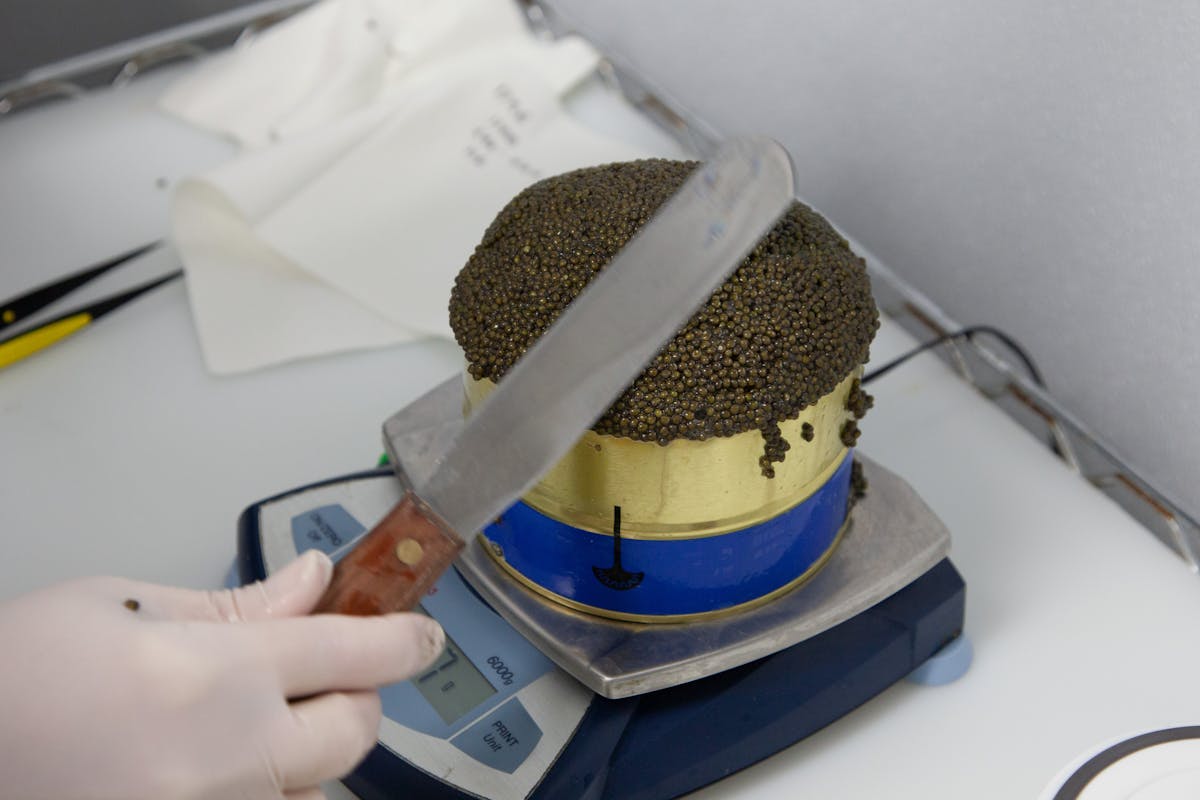
Caviar, a luxury food traditionally sourced from endangered fish, is now being produced through lab-grown methods that eliminate the need to harvest sturgeon. By cultivating fish cells in labs, companies like Caviar Biotech are producing lab-grown caviar that mimics the flavor and texture of traditional caviar without the ethical and environmental concerns.
This innovation could democratize luxury food, providing a more sustainable and ethical alternative to a product once seen as a symbol of exclusivity and opulence.
Bee-Free Honey
Lab-grown honey, created through plant science and fermentation, offers a solution to the environmental challenges associated with traditional honey production. By replicating the molecular structure of honey without bees, companies like MeliBio are creating a product that mimics honey’s sweetness and flavor, without the need for pollinators.
This innovation has the potential to alleviate pressure on bee populations, protecting pollinators and biodiversity while providing a sustainable alternative to traditional honey.
Conclusion
Lab-grown innovations are not just about replicating nature. They are about improving upon it, addressing ethical, environmental, and sustainability concerns in ways that traditional industries cannot. From meat and diamonds to cheese and blood cells, lab-grown products are poised to disrupt a variety of markets.
As technology evolves and becomes more affordable, it could render many of our current practices obsolete, offering a cleaner, more sustainable future in which products are created without harming animals or the environment. The future is not just being made in labs; it is being made better.


