9 Foods Southern Grandmothers Served on New Year’s Day for Luck
In the South, New Year’s Day isn’t just about football and parades. It’s about what’s on the stove. For generations, Southern grandmothers have cooked the same meal on January 1, convinced that the right foods would bring luck, money and good fortune in the year ahead.
Ask almost anyone who grew up in Georgia, the Carolinas, Tennessee, Alabama or Mississippi, and they’ll tell you about the black-eyed peas, the greens and the cornbread. Skipping the meal was practically unthinkable. Even people who claimed they weren’t superstitious made sure to eat at least a spoonful of peas, just in case.
Many of these traditions have roots that stretch back centuries, shaped by African, European and Southern farm cooking. Here are the foods Southern grandmothers served on New Year’s Day for luck.
1. Hoppin’ John
Hoppin’ John is the star of the Southern New Year’s table. It’s a hearty dish of black-eyed peas cooked with rice, onions and smoked pork, often a ham hock or bacon. Every family has its own version, and many grandmothers made a huge pot to feed everyone who stopped by.
The dish has deep roots in the Lowcountry of South Carolina and in the cooking traditions of enslaved West Africans, who brought rice and peas into Southern kitchens. Hoppin’ John became a symbol of luck and prosperity, and many families still won’t let January 1 pass without it.
2. Black-Eyed Peas
Even families who don’t make Hoppin’ John usually serve black-eyed peas on their own. The peas are said to represent coins, so eating them is supposed to bring wealth in the new year. Some people say the more you eat, the more money you’ll have.
Some families have a tradition of eating exactly 365 peas, one for each day of the year. Others simply make sure everyone at the table, even the picky kids, takes at least a bite. Black-eyed peas are usually simmered slowly with pork and onions until tender.
3. Collard Greens
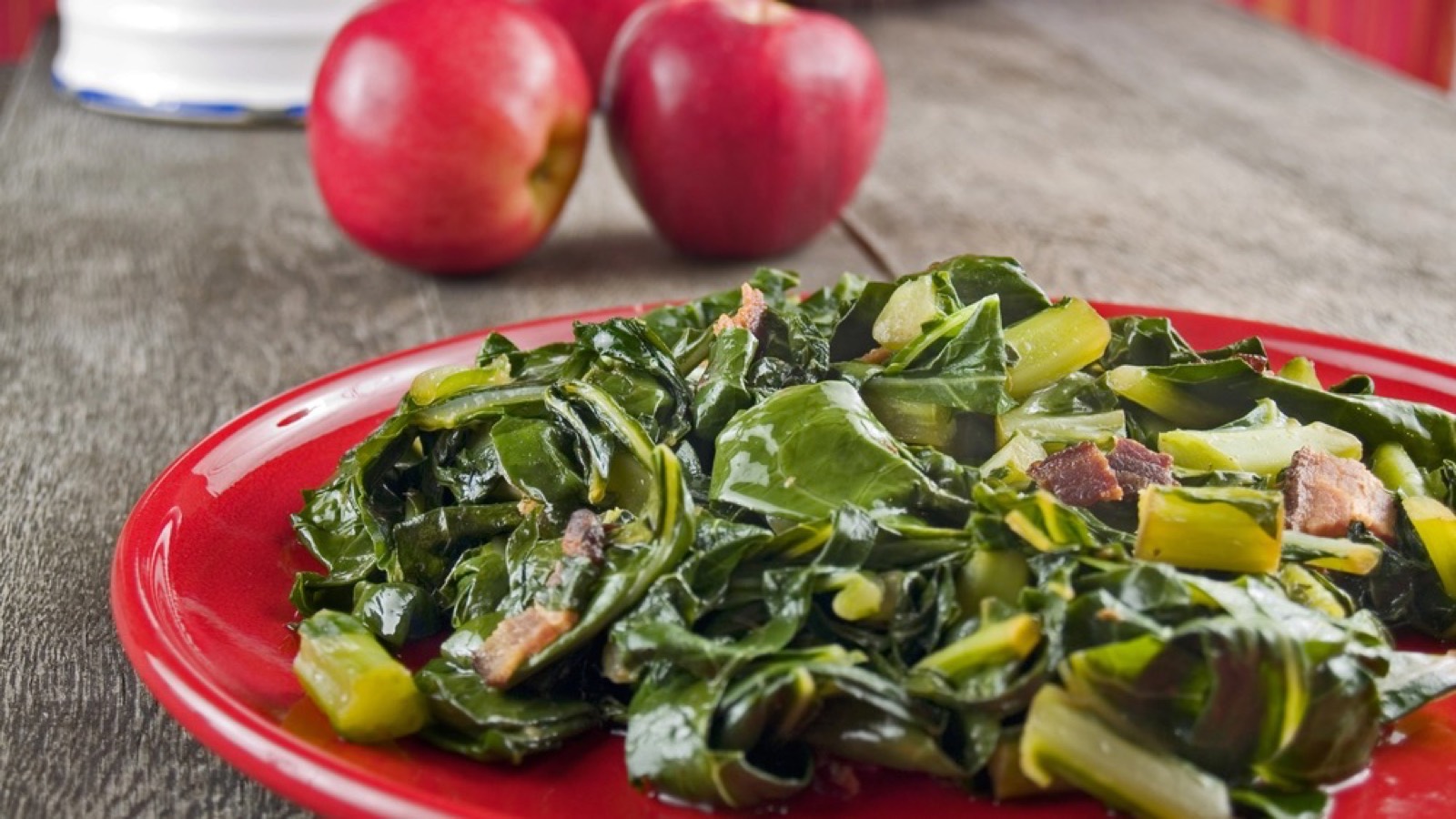
Collard greens are the second must-have on many Southern New Year’s tables. The green leaves are said to represent folded paper money, so eating them is supposed to bring financial luck. Grandmothers often cooked them for hours with smoked ham hocks or bacon until they were silky and tender.
Washing the greens was a big job, and many grandchildren remember being put to work rinsing leaves in the sink. The smell of collards simmering on the stove all morning is one of the strongest New Year’s memories for many Southerners.
4. Cabbage
In some Southern families, especially those with German or Appalachian roots, cabbage takes the place of collard greens. Like greens, cabbage leaves are said to represent money. It might be boiled with pork, fried with bacon or made into coleslaw.
Cabbage was cheap, easy to store through the winter and available even when other vegetables weren’t. Some families serve both cabbage and collards, just to cover all their bases for a lucky year.
5. Cornbread
No Southern New Year’s meal would be complete without a skillet of golden cornbread. The yellow color is said to represent gold, adding to the meal’s theme of wealth and prosperity. It’s also perfect for soaking up the juices from the peas and greens.
Southern grandmothers have strong opinions about cornbread. Many insist it should be made in a hot cast iron skillet and shouldn’t contain sugar. Others like it a little sweet. Either way, a plate of cornbread is a fixture of the New Year’s table.
6. Hog Jowl and Ham Hocks
Pork plays a big role in Southern New Year’s traditions. Some say pigs represent progress because they root forward with their snouts, while other animals scratch backward. Hog jowl, a cured and smoked cut from the pig’s cheek, is a traditional New Year’s food in many Southern homes.
Hog jowl is often sliced and fried like bacon, then served alongside the peas and greens. Ham hocks are used to flavor the pots of peas and collards. For many families, the pork is as important to the luck as the vegetables.
7. Pot Likker
Pot likker is the flavorful broth left behind after cooking collard greens with pork. Southern grandmothers never threw it away. Instead, they served it in cups or bowls, often with a piece of cornbread to dunk into it.
Pot likker has a long history in Southern cooking and was valued as a way to use every bit of food. Many older Southerners say sipping pot likker with cornbread on New Year’s Day is one of their favorite memories of their grandmothers’ kitchens.
8. Rice
Rice is often served on its own or as part of Hoppin’ John. Some people say rice represents abundance because it swells as it cooks. In the Lowcountry, where rice was once a major crop, it has long been part of nearly every important meal.
Many families serve the black-eyed peas over a bed of rice, which makes the meal more filling for a crowd. Leftover rice and peas often get turned into another meal the next day.
9. Skippin’ Jenny
The day after New Year’s, some Southern families eat a dish called Skippin’ Jenny, which is simply leftover Hoppin’ John. The idea is that eating the leftovers shows thriftiness, which is supposed to bring even more prosperity in the new year.
It’s a perfect example of how Southern cooks never let food go to waste. Grandmothers who made a big pot of peas on January 1 knew it would feed the family for days, and they found a way to make even the leftovers lucky.
A Tradition That Brings Families Together
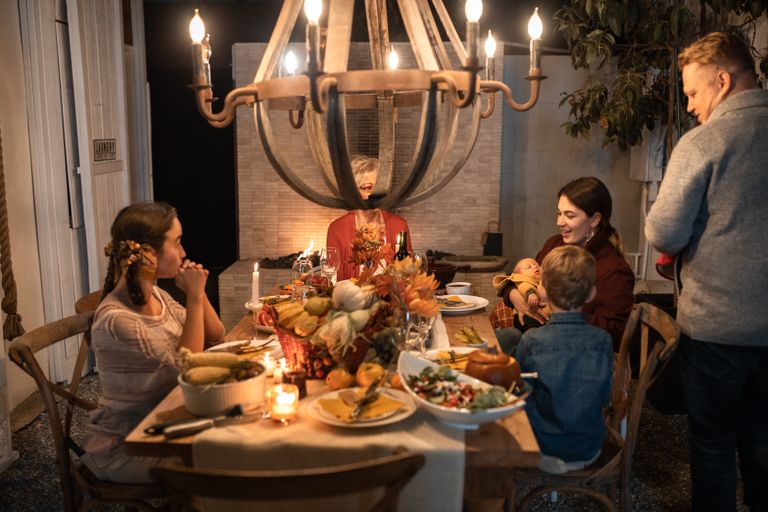
For many Southern families, the New Year’s Day meal is about more than luck. It’s a chance to gather with family, share stories and start the year together. Grandmothers often cooked for children, grandchildren, neighbors and anyone who dropped by.
Some families also hid a coin in the pot of peas or under a plate, with the person who found it said to have the best luck of the year. Others made sure to have a little of every lucky food on every plate, so nobody went without.
Keeping the Luck Alive
Today, you’ll find black-eyed peas, collard greens and cornbread on New Year’s tables far beyond the South. Grocery stores stock up on peas and greens in late December, and many restaurants serve special New Year’s plates.
Whether you believe in the luck or not, there’s something comforting about a meal that connects you to generations past. If your grandmother made Hoppin’ John every January 1, consider making a pot this year. Even if the money doesn’t roll in, you’ll start the year with a full stomach and a warm heart, and that’s lucky enough for most people.