8 Ways Prenatal Alcohol Exposure Can Put Children at Risk for Developing a Drinking Path
Even before a child takes their first sip, alcohol exposure in the womb may quietly shape their brain and future behaviour. New research shows that prenatal alcohol can affect reward systems, impulse control, and drinking patterns later in life. Understanding these hidden effects helps families, doctors, and communities take prevention seriously.
From subtle brain changes to faster drinking tendencies, here’s how prenatal alcohol exposure may set the stage for future risky behaviour.
Altered Brain Reward Pathways
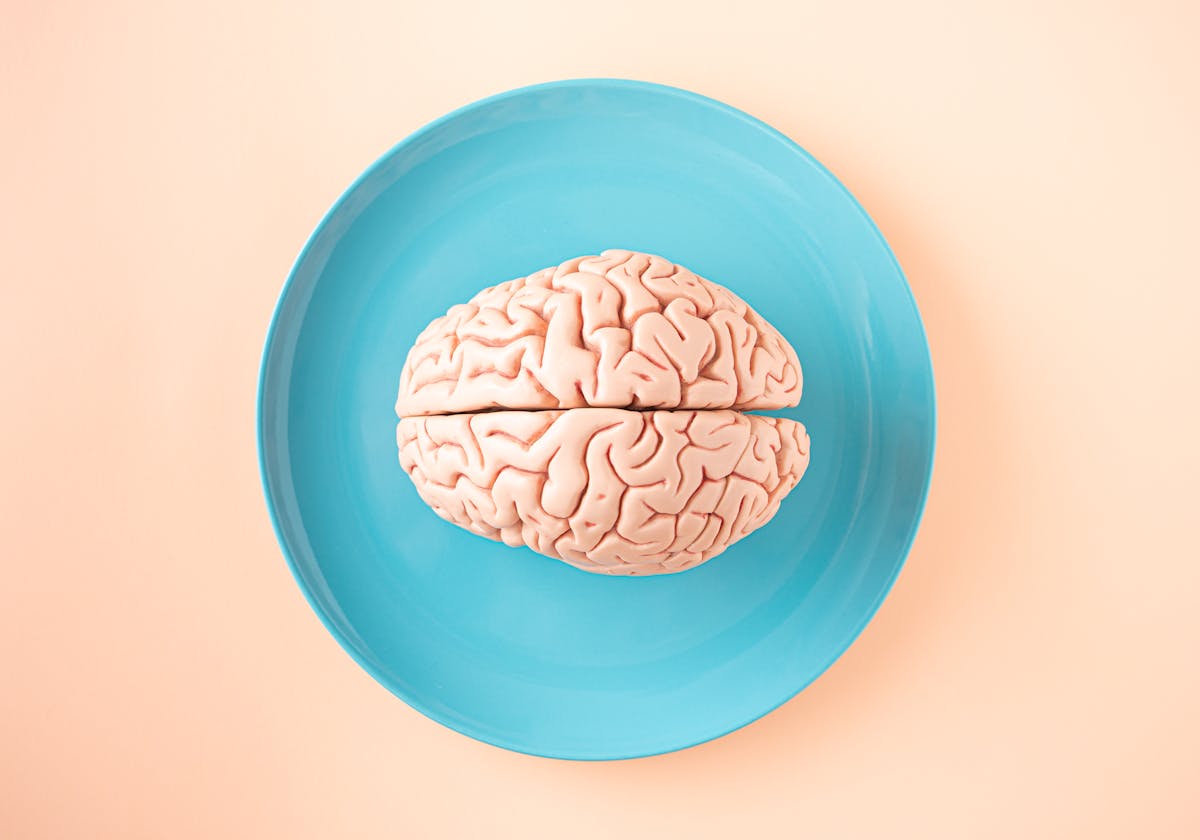
Prenatal alcohol exposure can modify dopamine pathways in the developing brain, which control reward, motivation, and pleasure responses. These changes can make alcohol feel more reinforcing later in life. Even small exposures during pregnancy may subtly prime the brain to seek alcohol’s effects more intensely than usual.
Studies in primates reveal that offspring exposed to alcohol prenatally showed measurable differences in brain regions linked to reward. These changes may increase the likelihood of seeking alcohol for emotional or social rewards during adolescence and adulthood.
Adolescence as a Critical Window
Teenagers naturally experience heightened reward sensitivity while self-control is still developing. Prenatal exposure can amplify this vulnerability. Early adolescent drinking may set long-term patterns, especially for those with altered dopamine responses.
Preventive strategies, such as delaying the first drink, fostering safe social activities, and monitoring for early experimentation, can offset some of these risks.
Heightened Sensitivity to Stress
Early exposure to alcohol can alter the stress-response system in the brain. Children may become more sensitive to stress or have difficulty managing emotions. This can lead to using alcohol as a coping mechanism during teenage years or adulthood.
By understanding this connection, families can focus on teaching healthy stress management strategies, helping prevent alcohol from becoming a go-to solution.
Faster Drinking Tendencies

People whose brains are affected by prenatal alcohol exposure often consume alcohol more quickly. Faster drinking leads to higher blood alcohol levels in shorter periods, reinforcing the habit more efficiently. This can accelerate the transition from casual drinking to risky drinking patterns.
Early drinking speed is a strong predictor of adult alcohol dependence. Children with altered reward pathways may feel the effects sooner and more intensely, creating a feedback loop that encourages faster consumption.
Increased Impulse Control Challenges
Prenatal alcohol can interfere with the brain circuits responsible for planning, self-control, and delay of gratification. Children exposed in utero may struggle to resist temptations, including alcohol, later in life. Poor impulse control makes resisting early drinking situations harder, increasing vulnerability.
These challenges don’t guarantee addiction, but they heighten risk. Parents and caregivers may need to provide additional guidance and structured routines to help children develop stronger self-regulation skills.
Early Behavioural and Emotional Signs
Prenatal alcohol exposure can manifest as subtle attention issues, emotional volatility, or social challenges. These early behaviours often predict later risk for alcohol misuse. Parents noticing these signs can intervene with behavioural support, counselling, or skill-building programs.
Identifying these patterns early enables proactive strategies to reduce the likelihood of developing harmful drinking habits.
Overlapping Genetic and Environmental Risk
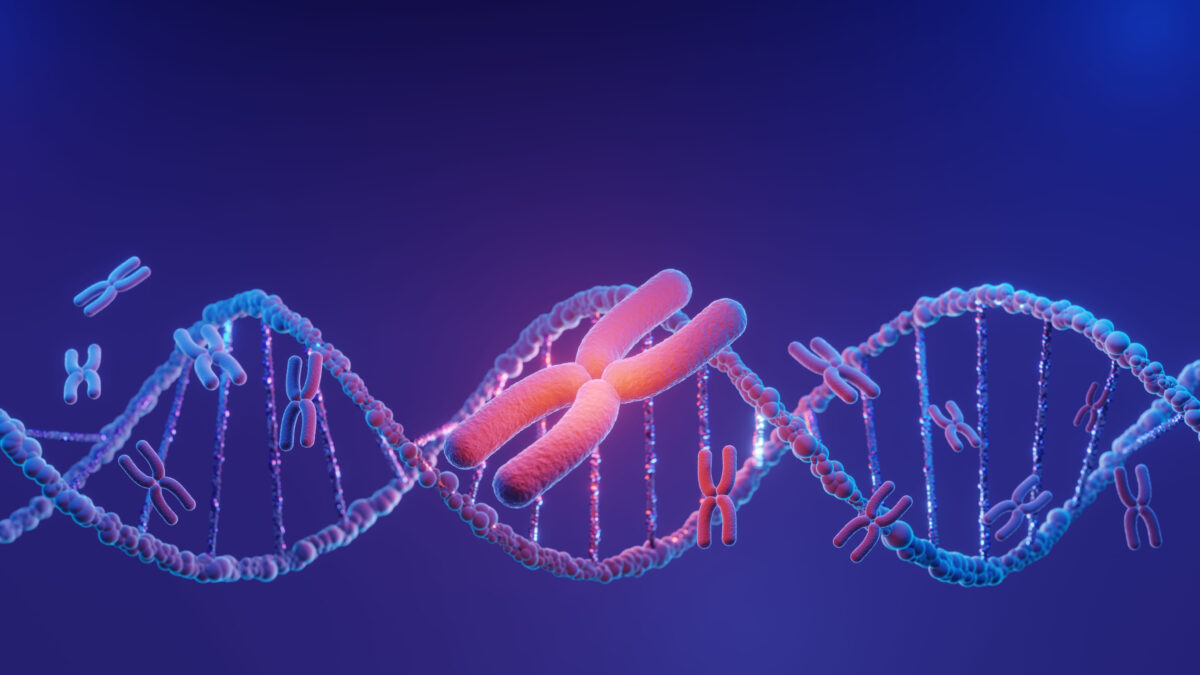
Alcohol dependence risk is rarely caused by one factor alone. Prenatal exposure may compound genetic susceptibility or environments where alcohol is normalised. Children exposed in utero who also grow up with heavy-drinking role models may face stacked risks for alcohol misuse.
Addressing family drinking culture and offering education about alcohol’s effects can help mitigate this layered risk.
The Importance of Compassionate Prevention
Awareness of prenatal alcohol exposure’s effects should not fuel stigma or shame. Supportive, informed prevention is far more effective. Families, educators, and healthcare providers should focus on guidance, early intervention, and teaching healthy coping skills.
By combining science, compassion, and proactive strategies, we can reduce the hidden influence of prenatal alcohol exposure and help children grow into adults with healthier relationships with alcohol.