17 States Say California’s Plastic Law Could Raise Prices on Everyday Items
A shampoo bottle. A cereal box. A takeout container. A pack of paper towels.
That is where California’s plastic fight leaves the courtroom and walks straight into the grocery aisle.
A coalition of 17 states is suing California over a sweeping packaging and plastics law they say could make everyday products more expensive nationwide. California says the law is about reducing pollution and holding companies responsible for the waste they generate.
That is the tension at the heart of this case.
One side says California is cleaning up a packaging mess that taxpayers have carried for too long. The other says California is using its massive market power to force businesses and shoppers in other states to live under Sacramento’s rules.
This is not just about plastic.
It is about prices, power, pollution, and who pays when America throws things away.
California says this is pollution accountability
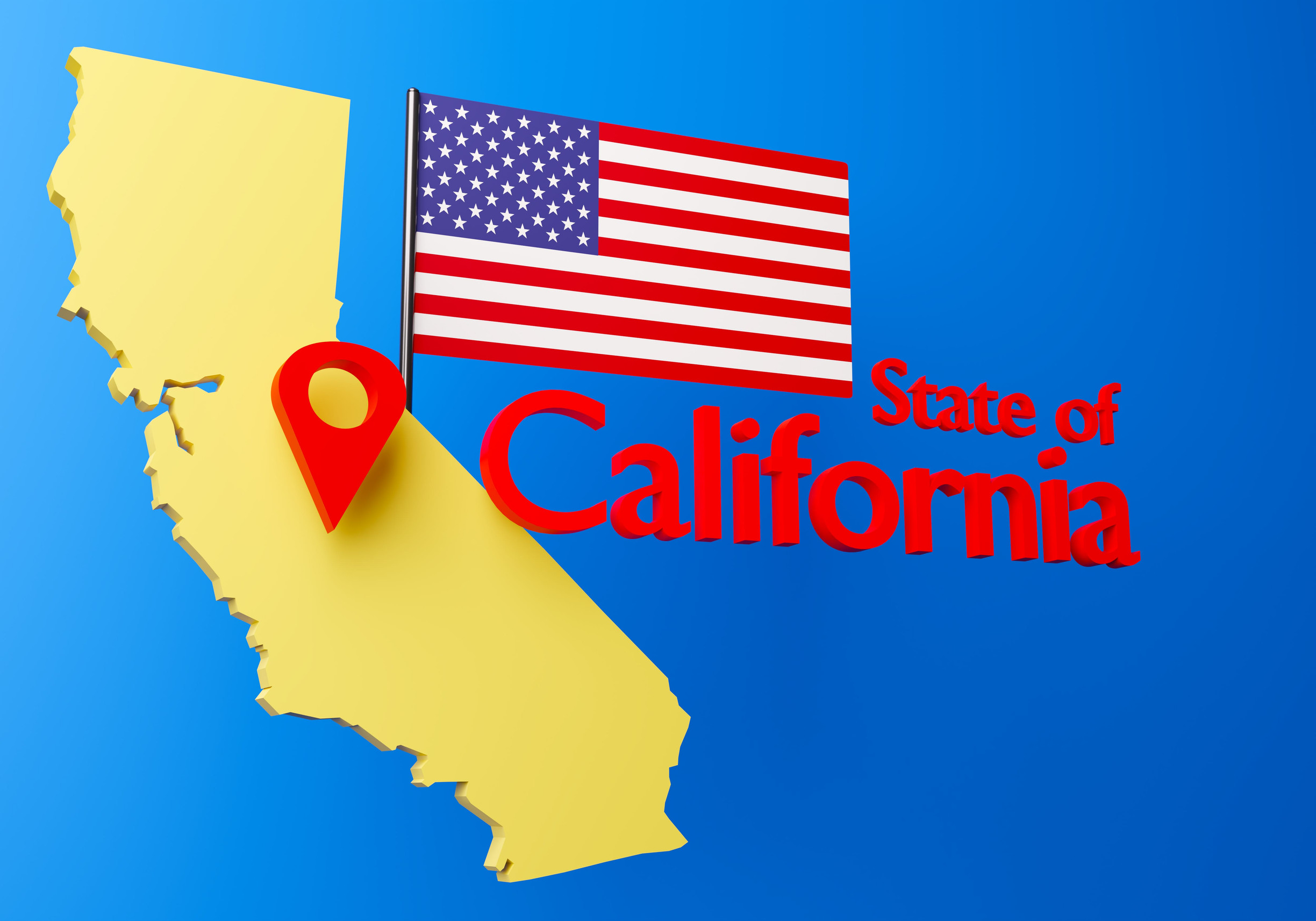
The law at the center of the fight is California’s Plastic Pollution Prevention and Packaging Producer Responsibility Act, often linked to SB 54. The law was enacted in 2022, and its permanent regulations took effect on May 1, 2026. It creates what California calls an extended producer responsibility program for packaging and single-use plastic food service ware.
That phrase sounds like government language, but the idea is simple.
If companies sell products wrapped in packaging, California wants those companies to carry more responsibility for what happens after the package is opened, used, tossed, recycled, or dumped.
CalRecycle says extended producer responsibility gives primary responsibility to producers, who can design and market products that are easier to reuse or recycle. The agency says SB 54 covers packaging and single-use plastic food service ware across every sector of the economy.
Supporters see that as overdue.
For years, cities, taxpayers, and local waste systems have dealt with the cost of packaging after consumers are done with it. California’s argument is that companies that profit from packaging should help pay for cleanup and redesign materials to reduce waste in landfills.
The law requires producers to reduce single-use plastic packaging and food service ware by 25 percent and make covered packaging recyclable or compostable by 2032, according to Reuters.
That is the state’s cleanest message.
This is not punishment. It is a responsibility.
But the states suing California see something very different.
17 states say California is exporting its rules
The lawsuit was filed in federal court in Sacramento by 17 Republican-led states and the National Association of Wholesaler-Distributors. The plaintiffs are asking the court to block California from enforcing the law.
Their argument is not only that the law could cost businesses money.
Their bigger argument is that California is acting like a national regulator.
Because California is such a huge market, companies may decide it is too expensive or impractical to make one version of a package for California and another for everyone else. So instead, they may redesign products nationwide to meet California’s rules.
That is where the price argument comes in.
The suing states say manufacturers, wholesalers, distributors, and retailers could face new costs for compliance, redesign, reporting, fees, and supply-chain changes. If those costs are passed along, shoppers may feel them in the price of basic goods.
For now, that is an allegation, not a proven outcome.
But politically, it is powerful.
When people already feel squeezed by grocery bills, housing costs, utility bills, and household expenses, any warning about higher prices gets attention. The phrase “plastic law” may sound distant. “Your everyday items could cost more” does not.
The lawsuit also argues that the law reaches beyond plastic. AP reported that the complaint says many products packaged or shipped in plastic containers, along with other packaging materials that incorporate plastics, fall within the law’s reach.
That is why opponents are framing this as more than an environmental rule.
They are calling it a power grab.
Eric Hoplin, president and CEO of the National Association of Wholesaler-Distributors, said California is “not entitled to pronounce nationwide policies,” according to AP. He argued that the law reaches far beyond California and violates federalism, due process, and related constitutional principles.
That line captures the lawsuit’s sharpest point.
The fight is not only about whether California can regulate packaging sold in California. It is about whether California’s rules become the default rules for everyone else.
The real fight is over who pays
This is where the story gets messy.
Both sides are talking about cost. They just disagree on where the cost belongs.
California says the cost of packaging waste already exists. Local governments pay for waste systems. Taxpayers support cleanup. Communities deal with litter and pollution. Landfills absorb the leftovers.
The suing states say California’s solution could create a new cost problem by making goods more expensive for families and businesses outside California.
So the question becomes painfully simple.
Should consumers and taxpayers continue to pay for packaging waste after products are sold? Or should companies pay more upfront to reduce that waste before it becomes someone else’s problem?
That is the real fight.
Environmental advocates have also complicated the story by challenging California from the opposite direction. AP reported that groups including the Natural Resources Defense Council sued over the final regulations, arguing they were weakened and left loopholes.
So California is getting hit from both sides.
Republican-led states and industry groups say the law goes too far.
Some environmental groups say the rules do not go far enough.
That tells you how big the packaging debate has become.
A wrapper is no longer just a wrapper. A bottle is no longer just a bottle. A takeout container is no longer just part of dinner.
These everyday objects have become part of a national fight over climate policy, consumer prices, state power, and corporate responsibility.
For shoppers, the immediate concern is clear: will this make ordinary products more expensive?
The honest answer is that the court case is still unfolding, and price hikes remain a warning from opponents rather than a settled fact.
But the bigger question is already here.
Is California forcing companies to clean up a problem they helped create? Or is it using one state’s market power to reshape the cost of everyday goods for the rest of America?
That is why this lawsuit matters.
It is not just plastic.
It is the price of the modern throwaway life, and America is now fighting over who gets the bill.