Texas’s Unique Government Structure Is Drawing New Attention. Here’s Why the Plural Executive Still Matters.
Texas has never followed the standard script of American state government. While most states concentrate executive power in a single governor’s office supported by appointed agency heads, Texas built something fundamentally different: a system designed to fragment authority, multiply accountability, and prevent political power from settling in one place.
That system is known as the plural executive, and it remains one of the most defining and debated features of Texas governance. Created in the aftermath of Reconstruction and embedded in the 1876 Texas Constitution, it continues to shape how decisions are made, how conflicts unfold, and how power is distributed across the state today.
In a moment when Texas plays an increasingly central role in national politics, the structure is once again under scrutiny. Not because it is new, but because it still matters.
A Government Built to Distribute Power
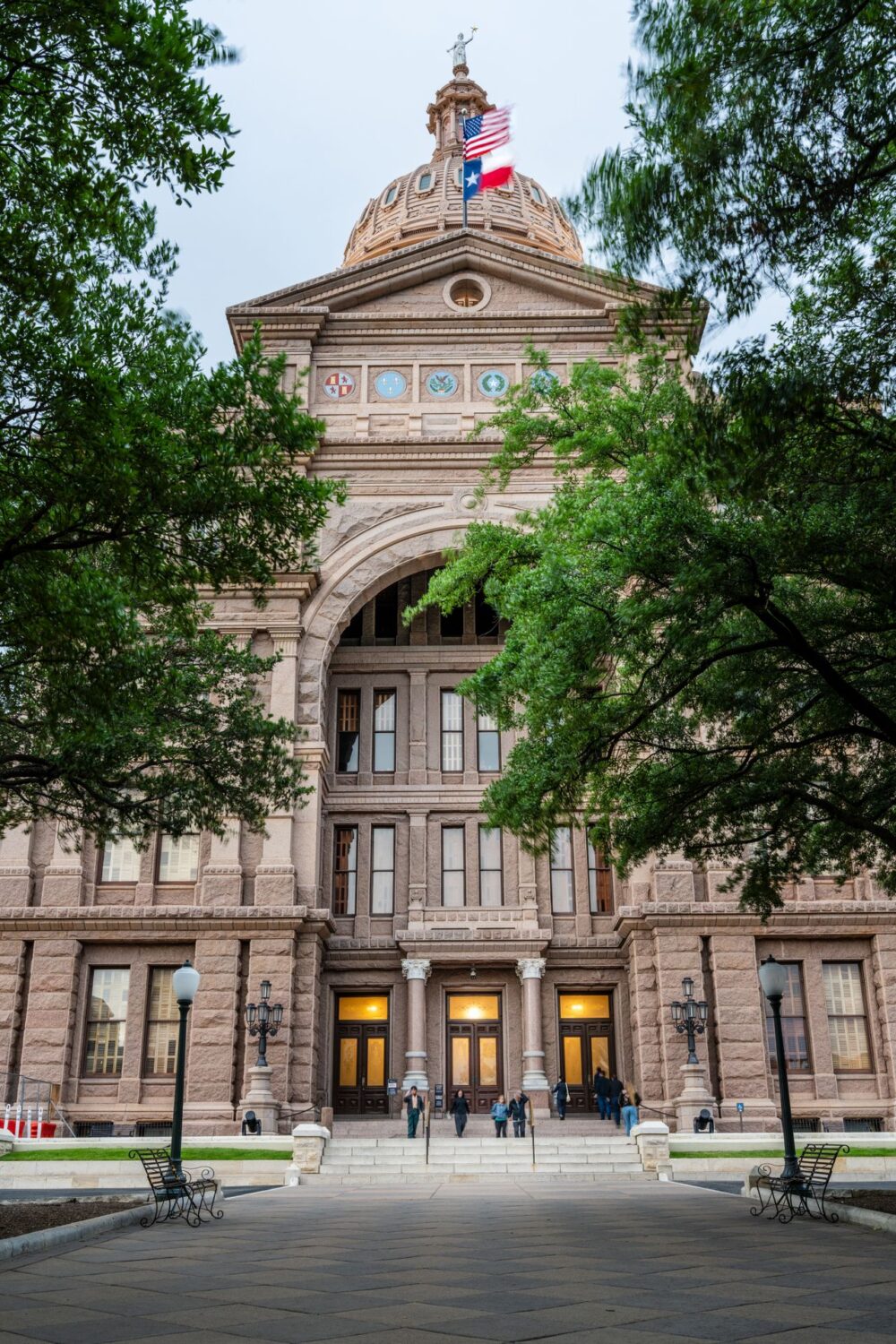
At the core of Texas’ system is a simple but radical idea: executive authority should not be concentrated in a single office.
Instead, Texas spreads that authority across multiple independently elected officials. The governor leads the state, but does not control the entire executive branch. Other statewide leaders are chosen directly by voters, each operating with their own constitutional standing and political independence.
This creates a government where executive power is not hierarchical in the traditional sense. It is shared, divided, and often negotiated in real time.
The Constitutional Roots of a Divided Executive

The plural executive was written into the Texas Constitution of 1876 during a period of deep political restructuring. The framers were not designing in theory they were reacting to lived political experience, particularly the centralized authority of the Reconstruction era.
Their solution was structural, not symbolic. Instead of relying on future leaders to behave cautiously with power, they built limitations directly into the architecture of government itself.
That choice locked in a long-term philosophy: distrust concentrated authority, and design against it. This same logic shaped what followed.
Reconstruction and the Fear of Centralized Authority
The political memory of Reconstruction shaped Texas governance in lasting ways. Many Texans associated that era with strong centralized control, expanded executive authority, and outside influence over state decision-making.
When Reconstruction ended, the constitutional response was not a return to balance in the abstract; it was a deliberate effort to dismantle the idea of a dominant executive altogether. That response carried directly into the plural executive.
The plural executive emerged from that environment as a safeguard, ensuring that no future governor could easily replicate that level of centralized influence.
The Governor in a System Without a Monarchy
Texas does have a governor, but the office functions differently from that of most states. Rather than standing at the top of a unified executive branch, the governor operates within a system where authority is already dispersed.
This creates a political reality defined less by command and more by influence. Leadership in Texas often depends on negotiation, persuasion, and alignment across independently elected offices rather than direct administrative control.
The result is a governorship that is powerful, but structurally contained. Even so, it remains central to the system.
Independent Power Centers Within One Branch
One of the most distinctive features of Texas government is the presence of multiple statewide officials who are not subordinate to the governor. Each operates with its own electoral mandate and political base, creating parallel centers of authority within the executive branch.
Rather than a single chain of command, Texas has overlapping lines of legitimacy. This overlap helps define the executive branch.
Legislative Power Inside the Executive Identity
Texas also blurs the traditional boundary between executive and legislative authority through offices that carry influence in both arenas. This creates a hybrid political environment where executive leadership is not isolated from lawmaking but actively shapes it from within.
In practice, this means governance in Texas is not confined to a single branch at a time. It flows across institutional boundaries, shaping how power is exercised.
Legal Authority Outside Gubernatorial Control

Another defining feature of the plural executive is the existence of independent legal authority within the executive structure. Instead of legal interpretation and enforcement being centralized under the governor, Texas disperses this power into a separate statewide mandate.
This creates a system where legal direction can evolve independently of executive leadership, reinforcing the broader constitutional principle of separation within the executive itself. That separation is central to how the plural executive works.
Fiscal Oversight as an Independent Force
Texas also separates fiscal authority from direct gubernatorial control. Budgetary certification and revenue interpretation are not simply administrative functions under the governor’s oversight; they are independent constitutional responsibilities held outside the governor’s immediate influence.
This creates a structural check within the executive branch itself, ensuring that financial power does not automatically follow political ambition.
Land, Energy, and Economic Governance as Separate Mandates
Texas extends its plural executive philosophy into key sectors of state life, particularly those tied to land, natural resources, agriculture, and energy.
Rather than centralizing these areas under a unified administrative hierarchy, Texas distributes oversight across independently elected leadership roles. This reinforces the state’s long-standing preference for divided authority in economically critical sectors.
Why Texas Still Operates This Way Today
The plural executive has survived more than a century because it is not just a governing model; it is a constitutional identity.
It reflects a political belief that power is safest when fragmented, that accountability is strongest when voters can choose multiple leaders directly, and that government should be structured to resist concentration, eIn modern Texas, this structure still shapes political influence. No single office defines the executive branch; authority is shared across competing mandates, overlapping responsibilities, and independently elected officials.independently elected officials.
A System Defined by Division, Not Unity
What makes Texas unusual is not simply that power is divided, but that division itself is the default condition of governance. Coordination must be built, not assumed. Agreement must be negotiated, not directed.
This creates a political environment in which leadership is distributed by design and no executive The plural executive is the structure that holds Texas government together. olds the entire system in place.
The Enduring Logic of the Texas Mode
Even as Texas grows in population, economic influence, and national political weight, its constitutional structure remains rooted in the same foundational idea: limit concentrated power by dividing it across multiple elected officials. That same idea continues to guide the state today.
That decision continues to shape how the state operates today. It defines how authority is exercised, how conflict emerges, and how governance unfolds within one of the country’s most influential states.
Texas did not build a streamlined executive branch. It built a distributed one, and that design still shapes how the state governs today. It built a distributed one, and it still runs on that design.