Wayne Rooney Blasts FIFA World Cup Halftime Show as ‘Crap’ After $100 Million Global Spectacle Divides Fans.
Wayne Rooney sparked a global debate after criticizing FIFA’s first World Cup final halftime show, featuring music superstars and a $100 million education campaign.
Wayne Rooney’s Blunt World Cup Halftime Show Review Goes Viral
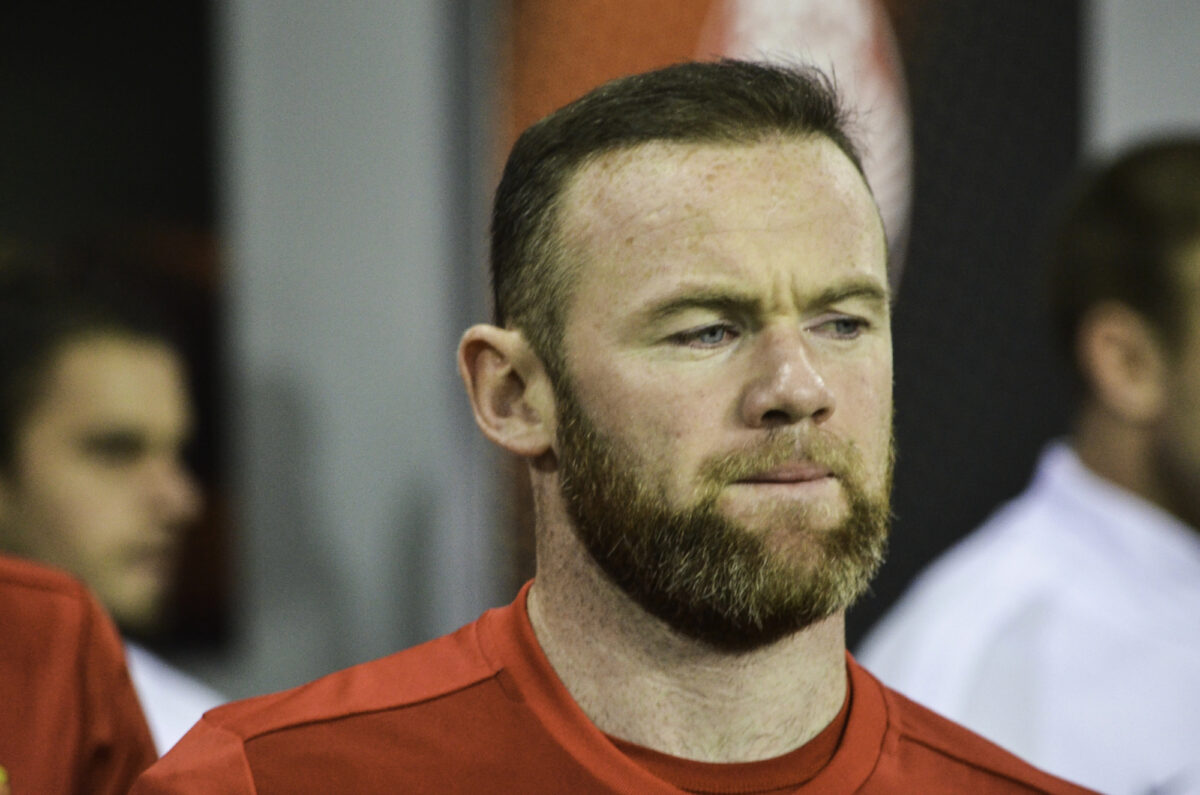
Wayne Rooney once again showed why he has always been one of football’s most outspoken personalities. During BBC Sport’s live coverage of the 2026 FIFA World Cup final, the former England captain delivered an unexpectedly harsh review of FIFA’s first-ever World Cup final halftime show, saying he thought the performance was “crap.”
The comment immediately became one of the most talked-about moments of the tournament. While FIFA presented the halftime production as a historic celebration combining football, music and global unity, Rooney offered a much more direct assessment that quickly spread across social media and sports discussions.
Rooney’s reaction carried extra attention because of his connection to the tournament. The former Manchester United star represented England at three World Cups in 2006, 2010 and 2014, giving him firsthand experience of the atmosphere, pressure and traditions surrounding international football’s biggest stage.
His criticism also reflected a wider conversation among fans about whether the World Cup should remain focused purely on football or embrace the entertainment style seen in events such as the Super Bowl.
Star-Studded Halftime Show Featured Global Music Heavyweights
FIFA’s first World Cup final halftime show was designed to create a major cultural moment, bringing some of the biggest names in entertainment together during the most-watched match of the tournament.
The performance featured international stars including Madonna, Shakira, Justin Bieber, BTS, Burna Boy and Coldplay, along with appearances connected to popular culture figures such as Jason Sudeikis’ “Ted Lasso” character.
The production represented a major change from previous World Cup finals, where halftime was traditionally reserved for tactical discussions, analysis and preparation for the second half.
The decision reflected FIFA’s ambition to make the final more than a sporting event. The 2026 tournament already represented the biggest World Cup in history, expanding to 48 teams, being hosted across three countries, and reaching audiences around the world.
By adding a halftime show, FIFA aimed to attract football supporters while also appealing to music fans and casual viewers who might not normally watch an entire match.
Rooney’s Criticism Highlighted the Battle Between Tradition and Modern Sports Entertainment
The reaction to Rooney’s comments quickly became part of a larger debate about how football should evolve.
For many traditional supporters, the World Cup final has always been about the drama on the field, the national pride, the players and the unforgettable moments created during 90 minutes of competition.
Some fans questioned whether a large entertainment production could distract from the importance of the match itself. They argued that football already has enough global appeal without needing the same style of spectacle used in American sports.
At the same time, FIFA’s approach reflected how modern sports have changed. Major competitions are increasingly built around entertainment, storytelling and global engagement, not just the action happening during the game.
The challenge for FIFA is finding a balance between respecting football traditions and creating new experiences for younger and more diverse audiences.
Rooney’s reaction became powerful because it represented the opinion of someone who understands the World Cup from a player’s perspective rather than simply as a viewer.
$100 Million Education Initiative Added a Bigger Purpose Behind the Performance
Although the halftime show attracted attention because of the celebrity lineup and Rooney’s criticism, FIFA also used the event to promote a major charitable initiative.
The performance supported the FIFA Global Citizen Education Fund, which was created to expand access to education and sports programs for children in underserved communities.
The initiative aimed to raise $100 million to support projects focused on education, youth development and opportunities through football.
Organizers said the fund had already secured $60 million in commitments, with money directed toward community organizations and programs designed to help children around the world.
A significant portion of the funding was also connected to FIFA’s Football for Schools program, which uses football as a tool to support learning, development and social opportunities.
The charitable mission added another dimension to the debate. Supporters argued that the halftime show created a valuable platform for an important cause, while critics continued focusing on whether the entertainment itself delivered the expected impact.
FIFA Looked to Create a World Cup Version of the Super Bowl Halftime Experience
The introduction of a World Cup halftime show reflected FIFA’s attempt to create a new tradition similar to the entertainment culture surrounding the Super Bowl.
The Super Bowl halftime show has become one of the biggest entertainment events in the world, often attracting viewers who are interested in the performance as much as the championship game.
FIFA’s challenge was adapting that concept for football, a sport with a different history and culture.
The World Cup already reaches billions of people globally, making it one of the largest platforms in sports. A halftime show creates additional opportunities for sponsorships, international marketing and charitable campaigns.
However, football supporters do not always view entertainment and sport in the same way. Many fans believe the match itself should remain the only true centerpiece of the final.
That cultural difference explains why FIFA’s experiment created such different reactions. Some viewers saw innovation, while others saw unnecessary distraction.
Wayne Rooney’s Football Career Made His Opinion More Significant
Rooney’s comments gained worldwide attention because of his legendary football career.
The former striker earned 120 England appearances, scored 53 international goals, and became one of the country’s greatest-ever players.
During his club career, Rooney won five Premier League titles with Manchester United and became the club’s record goalscorer before moving into coaching and management.
His experience at the highest level of football gave his opinion a different level of influence.
A regular viewer criticizing a performance might generate limited attention, but a former World Cup player openly rejecting FIFA’s biggest entertainment experiment became a global headline.
Rooney’s reputation as a straightforward and competitive personality also shaped the reaction. Fans expected honesty from him, and that is exactly what he delivered.
Spain’s World Cup Victory Returned the Spotlight to Football
After the halftime performance ended, attention returned to the main event: the World Cup final itself.
Spain and Argentina played a tightly contested match before Spain secured a 1-0 victory after extra time.
The decisive moment came in the 106th minute, when Ferran Torres scored the winning goal to give Spain its second men’s World Cup championship.
The contrast between the halftime show and the match was impossible to ignore.
The performance featured global celebrities, massive production elements and international entertainment. The game, meanwhile, was decided by a single goal and one crucial moment.
That difference captured the central debate surrounding FIFA’s new approach. The organization wanted to create a broader entertainment experience, but the football remained the element that ultimately decided history.
FIFA’s First Halftime Show Created a Debate That Will Continue

Wayne Rooney’s criticism lasted only a few seconds, but it became one of the most memorable discussions surrounding the 2026 World Cup final.
The halftime show achieved several major milestones by introducing a new format, featuring some of the world’s biggest performers and supporting a major education initiative.
However, it also raised questions about the future direction of football’s biggest event.
FIFA now faces the challenge of creating future halftime shows that satisfy both audiences who want a global entertainment spectacle and supporters who believe the World Cup should remain centered on football.
The first experiment delivered headlines, controversy and conversation.
It produced a historic performance, attracted millions of viewers and generated a worldwide debate.
And thanks to Wayne Rooney’s brutally honest reaction, the halftime show became a story almost as unforgettable as the match itself.