Trump Says Iran Deal Could Prevent “Millions” of Deaths as He Pushes for Peace Talks
President Donald Trump has suggested that renewed efforts toward a deal with Iran could prevent a devastating conflict, arguing that diplomacy may have stopped a military confrontation that could have resulted in massive loss of life.
Trump’s comments came as tensions between Washington and Tehran remained high, with the president describing negotiations as a possible path away from a larger war. His remarks highlighted the difficult balance between military pressure and diplomatic efforts as both sides consider their next moves.
The statement also reignited debate over Trump’s approach to Iran, with supporters praising his willingness to pursue negotiations while critics questioned his previous threats of military action.
Trump Claims Military Action Could Have Had Devastating Consequences

Trump said a planned military response against Iran could have resulted in an enormous number of casualties if events had escalated further. He argued that avoiding a major conflict was a significant achievement and presented diplomacy as the reason a larger confrontation did not happen.
The president has previously warned Iran that the United States would respond strongly if Tehran continued actions viewed by Washington as threatening. Those warnings increased fears of a wider regional conflict involving American forces and Iran’s allies.
However, Trump has also emphasized negotiations, saying a diplomatic agreement could protect lives and prevent further instability in the Middle East.
Iran Talks Become Focus of International Attention
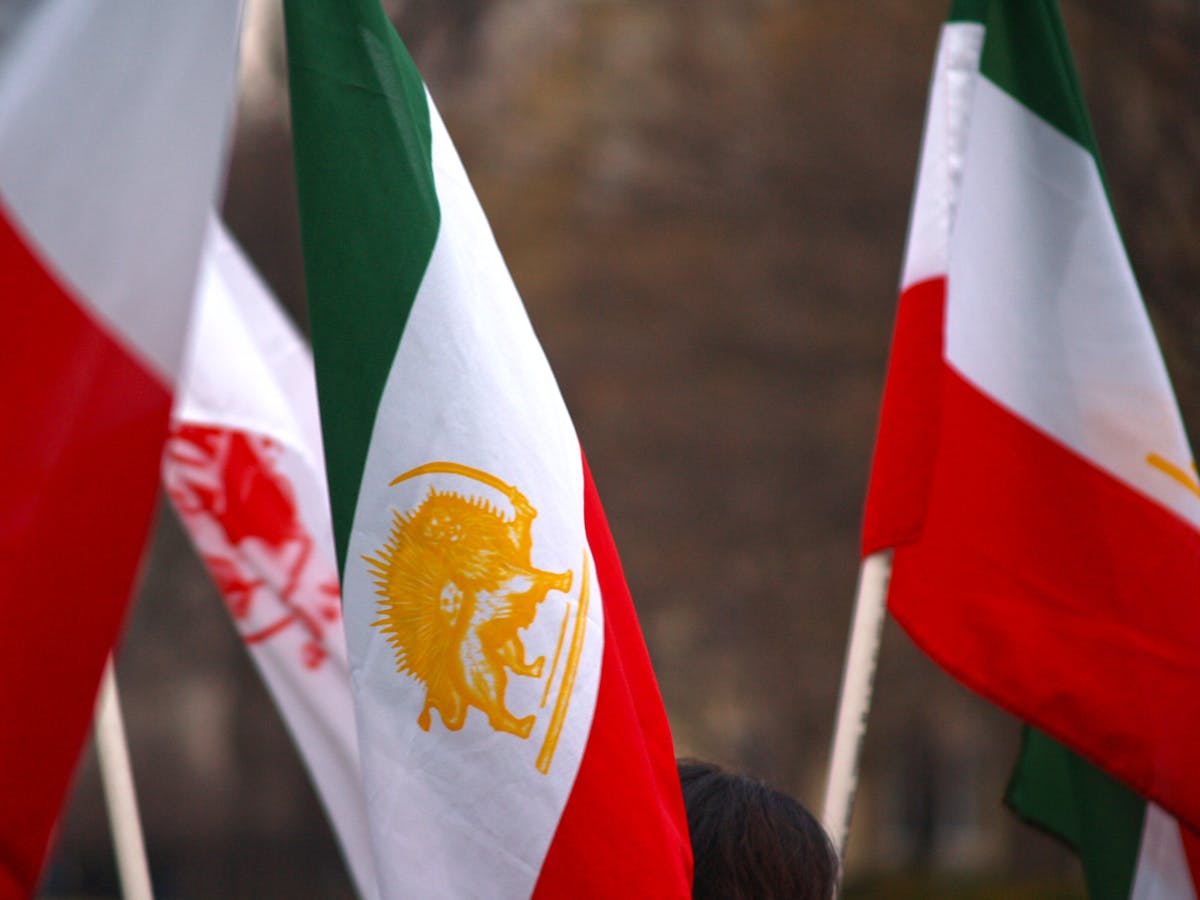
The possibility of renewed talks between the United States and Iran has attracted attention from governments around the world. Any agreement would likely involve difficult discussions over security issues, Iran’s nuclear program, regional influence, and sanctions.
Previous negotiations between Washington and Tehran have faced major obstacles. The two countries have a long history of distrust, with disagreements often causing diplomatic efforts to collapse.
A successful agreement would require both sides to make significant commitments and maintain confidence that the other party will follow through.
Supporters Point to Diplomacy as a Victory
Trump’s supporters argue that his combination of pressure and negotiation has forced Iran to reconsider its position. They say maintaining a strong military posture while leaving the door open for talks gives the United States greater leverage.
They also point to Trump’s previous foreign policy approach, where he has often used threats of economic or military consequences while pursuing deals with international rivals.
For supporters, the possibility of avoiding war demonstrates the value of using negotiations after applying pressure.
Critics Question Trump’s Claims About the Conflict
Critics have challenged Trump’s description of events, arguing that statements about potential casualties are difficult to verify without access to military plans and intelligence assessments.
They also argue that escalating threats against Iran created additional risks and increased uncertainty in the region.
Some foreign policy experts have warned that military confrontations can quickly become unpredictable, especially when multiple countries and armed groups are involved.
The Human Cost Remains at the Center of the Debate
Beyond political arguments, the possibility of a U.S. military conflict with Iran carries serious humanitarian concerns. Any major confrontation could affect civilians, regional stability, energy markets, and global security.
Past conflicts in the Middle East have shown that wars often create consequences that extend far beyond the battlefield. Refugee movements, economic disruptions, and long-term instability can continue for years after fighting begins.
That reality has made diplomacy a preferred option for many governments seeking to avoid another major regional war.
A Difficult Road Ahead for Any Peace Agreement

Although Trump has spoken positively about the possibility of a deal, reaching an agreement with Iran would not be simple. Previous attempts at diplomacy have broken down because of disagreements over verification, sanctions relief, and security guarantees.
Both sides would need to overcome years of hostility and political pressure at home.
For now, the future of U.S. Iran relations remains uncertain. A successful agreement could mark a major shift in Middle East diplomacy, while failure could increase fears of renewed confrontation.
The Next Steps Could Shape the Future of the Region
Trump’s comments reflect a broader question facing American foreign policy: how to balance military strength with diplomacy.
Supporters believe his approach has created an opportunity for peace, while critics remain concerned about the risks created by aggressive rhetoric and threats.
As negotiations continue, the outcome will depend on whether Washington and Tehran can move beyond decades of conflict and find common ground.
For millions of people watching the situation unfold, the central hope remains simple: that political disagreements do not become another devastating war.