Qatar-Donated Air Force One Faces a New Battle Over Money, Legacy and Its Uncertain Future
The Qatar-donated Air Force One was supposed to represent a practical solution to one of the U.S. government’s biggest aviation challenges. Instead, the Boeing 747-8 has become the center of a growing debate over foreign gifts, taxpayer spending, presidential legacy and the difficult question of what happens when a powerful symbol outlives the president who used it.
For months, President Donald Trump described the future of the aircraft as settled. He said the plane would serve as a temporary presidential aircraft before eventually becoming part of his presidential library, similar to the retired Air Force One aircraft displayed at the Ronald Reagan Presidential Library. But that future is no longer clear.
A White House official said no final decision has been made about the long-term fate of the Qatar-donated Air Force One after Trump’s second term. The statement reopened questions that have followed the aircraft since the announcement of the donation: Should it remain a government asset? Should it become a museum exhibit? Should a foreign-donated aircraft, upgraded with American taxpayer funds, become part of a president’s personal historical legacy?
The debate surrounding the aircraft has grown beyond aviation. It now touches on questions about government responsibility, national security, diplomacy, and how America decides which presidential symbols belong to the public.
The Aircraft That Solved One Problem While Creating Another

The story of the Qatar-donated Air Force One began with a simple challenge. The United States needed a temporary replacement aircraft while waiting for the next generation of presidential jets to enter service.
The current VC-25A aircraft, which have carried presidents since the early 1990s, remain highly capable but are approaching the later stages of their operational lifespan. The replacement program for the new VC-25B aircraft has faced delays, creating a gap between the existing fleet and the future presidential aircraft system.
The Boeing 747-8 offered a possible bridge. The aircraft is larger and newer than the existing presidential jets and could provide a temporary solution while the permanent replacements are completed.
Qatar’s decision to provide the aircraft immediately attracted global attention. The plane, valued at approximately $400 million, represented one of the largest foreign gifts ever connected to a U.S. presidential administration.
Supporters viewed the arrangement as an opportunity to reduce delays and provide the president with a modern aircraft without the government purchasing a new plane outright.
Critics saw a more complicated picture. They questioned whether accepting such a valuable aircraft from a foreign government created ethical concerns, particularly because the plane became closely associated with President Trump. The controversy did not come only from the aircraft’s origin. It also came from its possible future.
A government aircraft can usually be understood as a government asset. A presidential library, however, exists at the intersection of public history and private foundation management. That distinction created a debate that continues today.
The $400 Million Aircraft Has a Much Bigger Price Tag Than Its Purchase Value
The most common figure associated with the Qatar-donated Air Force One is $400 million. However, that number represents only the estimated value of the aircraft itself. Transforming a Boeing 747-8 into a presidential aircraft required a significant investment from the United States government.
A presidential aircraft is not simply a passenger jet with additional security features. It is designed to function as a flying command center, supporting the president during national emergencies and international crises.
The Air Force had to modify the aircraft with secure communication systems, specialized technology, safety improvements, and other capabilities required for presidential transportation.
Many details of the upgrades remain classified because they involve national security systems. However, the process required extensive testing, engineering work, maintenance planning and training.
This has created one of the most important questions surrounding the aircraft’s future: If taxpayers funded the transformation, what should happen to that investment if the plane leaves government service?
Some critics argue that the public should receive the maximum possible value from an aircraft that required significant federal spending. They question whether a recently upgraded government asset should become part of a private presidential institution.
Supporters argue that keeping the aircraft indefinitely may also create unnecessary costs. If newer VC-25B aircraft eventually enter full service, officials will have to decide whether continuing to operate the bridge aircraft makes financial sense.
The debate is therefore not simply about ownership. It is about how governments manage expensive assets after political circumstances change.
A Presidential Aircraft Is More Than Transportation
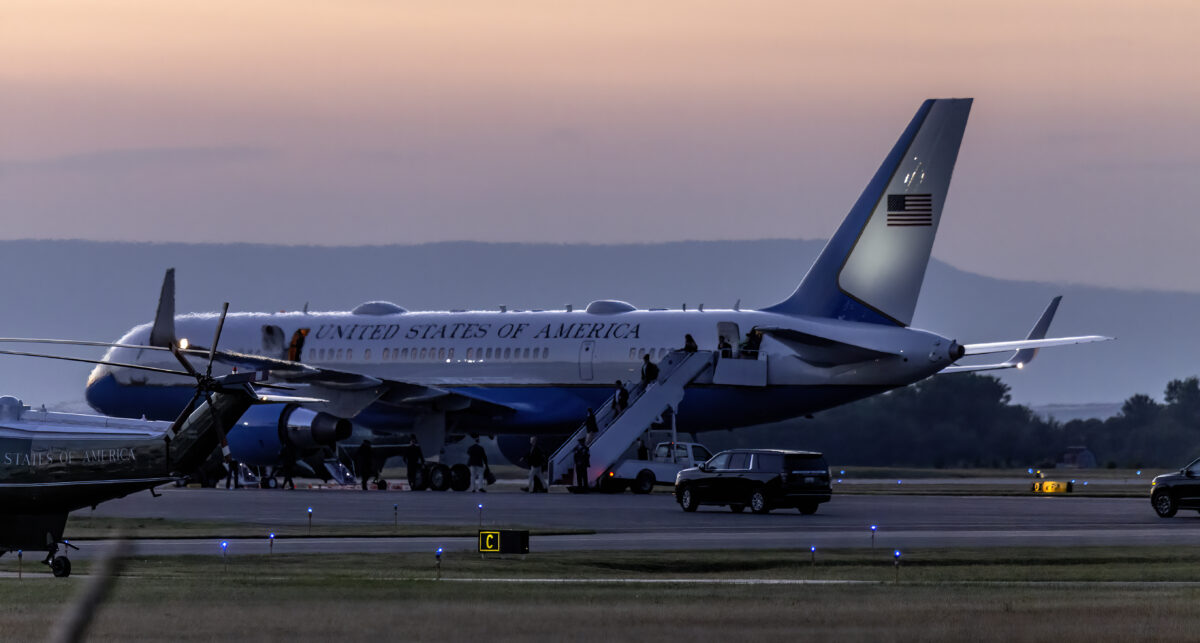
The public image of Air Force One often focuses on its size, appearance and association with presidential travel. Behind that image is a much more complex mission.
The aircraft serves as a secure platform that allows the president to communicate with military leaders, government officials and international partners.
During major crises, the president must be able to maintain command capabilities even while traveling. That requires advanced systems that ordinary commercial aircraft do not possess.
The Qatar-donated Air Force One underwent extensive modifications before entering presidential service because of these requirements. Security considerations also influence what happens after the aircraft retires.
A presidential aircraft cannot simply be transferred to a museum and opened to visitors without careful preparation. Sensitive equipment must be removed or protected. Classified systems must be handled properly. Security experts must evaluate what information could be exposed through public access.
This creates a unique challenge for any future presidential library display.
Historic aircraft often become popular museum attractions because visitors can experience a piece of history. However, presidential aircraft are different because they combine historical value with national security concerns.
The question facing officials is not only whether the aircraft can become a museum piece. It is whether it can become one without compromising the security standards that defined its original mission.
Trump’s Presidential Library Vision Faces a Complicated Reality
President Trump has repeatedly compared his aircraft plan to Ronald Reagan’s presidential library display. At the Ronald Reagan Presidential Library in California, visitors can see a retired Boeing 707 that served multiple presidents before becoming a historical exhibit.
Trump described that aircraft as an example of what could happen with the Qatar-donated Air Force One. However, the comparison has important differences. The Reagan aircraft represented decades of presidential service. It carried presidents through major moments in American history before retirement.
The Qatar-donated Air Force One represents a much newer and more unusual chapter. It entered service after a foreign government donation and a major American-funded conversion process. That distinction has become central to the debate.
Presidential libraries are designed to preserve historical records and educate future generations. They are also closely connected to the identity and legacy of individual presidents.
A major aircraft display could become one of the most recognizable features of Trump’s future library. Supporters may see it as a symbol of technological achievement and diplomatic cooperation.
Critics may view it differently, focusing on the unusual circumstances surrounding the donation and the public money spent preparing the aircraft. The aircraft’s final destination will influence how future generations interpret its meaning.
Conflicting Signals Have Raised More Questions About the Plane’s Destination
The uncertainty surrounding the Qatar-donated Air Force One increased after reports involving Trump’s son, Eric Trump.
According to reports cited by ABC News, Eric Trump indicated that sending the Qatar aircraft to the planned Miami presidential library was not the current plan at that time. He suggested that an older decommissioned Air Force One aircraft could instead become part of the exhibit.
That possibility would represent a major shift from Trump’s earlier public comments. An older presidential aircraft would follow a more traditional path. It would resemble previous examples where retired government aircraft become historical displays after completing years of service.
The Qatar aircraft would create a different situation because of its recent government upgrades and controversial origins.
The conflicting statements also highlight a broader challenge. Presidential libraries often involve multiple organizations, including private foundations, government agencies and historical institutions.
Determining the future of a major aircraft requires agreement on ownership, costs, security and public access.
Until officials announce a final decision, several possibilities remain open.
The Foreign Gift Debate Continues Beyond the Aircraft Itself
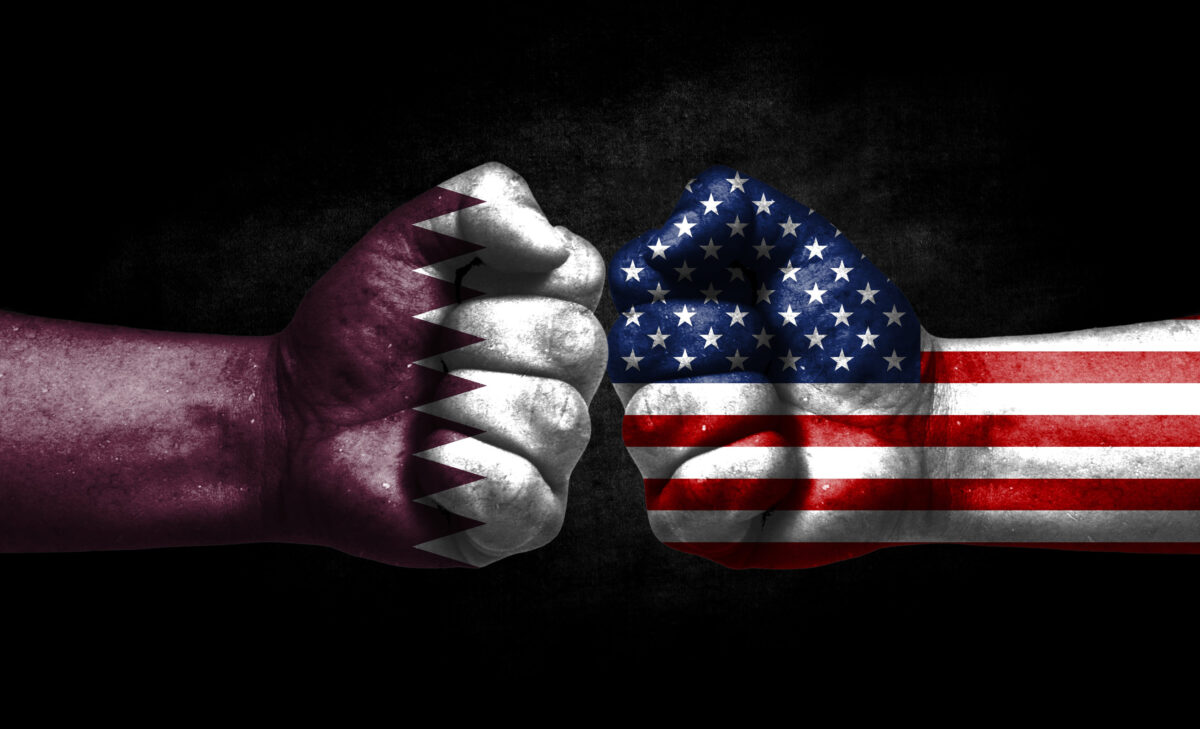
The Qatar-donated Air Force One has also raised broader questions about foreign gifts to American leaders. The United States has a long history of receiving symbolic gifts from other countries. These gifts can represent friendship, diplomacy, and cooperation.
However, gifts involving significant financial value often receive closer examination because of concerns about influence and public perception. The debate surrounding this aircraft centers on the unusual combination of factors involved.
A foreign government provided an aircraft. The U.S. government transformed it for presidential use. The aircraft became closely linked to a sitting president. Its possible future destination involves a presidential library foundation. Each part of the process has generated questions.
Supporters of the arrangement argue that the aircraft serves the United States government, not an individual. They point out that it entered official service under Air Force control.
Critics argue that the circumstances require greater transparency because of the aircraft’s value and its connection to a specific president.
The disagreement reflects a larger conversation about trust in government. Major government decisions often involve not only legal requirements but also public confidence.
Future Presidents May Inherit the Consequences of Today’s Decision
The final decision about the Qatar-donated Air Force One will not affect only Trump’s presidency. A future administration could inherit the aircraft, its operating costs, and the political debate surrounding it.
Keeping the aircraft in federal service could allow the government to maximize the value of its investment. It could serve as a backup aircraft or continue supporting presidential operations. However, continued operation would require ongoing maintenance and expenses.
Retiring the aircraft could reduce long-term costs but raise questions about whether the government fully benefited from the money already spent upgrading it.
Sending the aircraft to a presidential library could create a historically significant exhibit but would likely continue debate about ownership and public investment.
The decision will therefore require officials to balance financial responsibility, historical value and national security.
The Aircraft’s Future Could Define How History Remembers It
The Qatar-donated Air Force One has already experienced an unusual journey.
It began as a luxury aircraft associated with Qatar’s leadership. It became a diplomatic gift. It was transformed into a presidential aircraft through American resources. Now it stands at the center of a debate about legacy and responsibility. The White House has made clear that no final decision has been announced.
That uncertainty leaves several important questions unanswered. Will the aircraft remain part of the government fleet? Will it become a presidential museum attraction? Will another retired Air Force One take its place in Trump’s library? The answer will determine more than where an airplane is stored.
It will shape how Americans view one of the most unusual presidential aircraft stories in modern history. The Qatar-donated Air Force One was created to solve a practical challenge, but its lasting legacy may depend on how the nation handles the difficult questions that followed its first flight.