9 Ground Meat Shopping Tips Everyone Should Know
Buying ground meat seems simple until you’re in the grocery aisle, comparing packages that look almost identical but cost different amounts and have different labels and weights. Whether you’re shopping for ground beef, turkey, chicken, or pork, making the right choice involves more than grabbing the cheapest package.
A larger package isn’t necessarily a better bargain, and a premium label doesn’t automatically mean you’re getting a better product. Understanding a few shopping details can help you spend more wisely, choose the right meat for your recipes, and avoid buying more than you need.
Compare the Price Per Pound, Not Just the Sticker Price
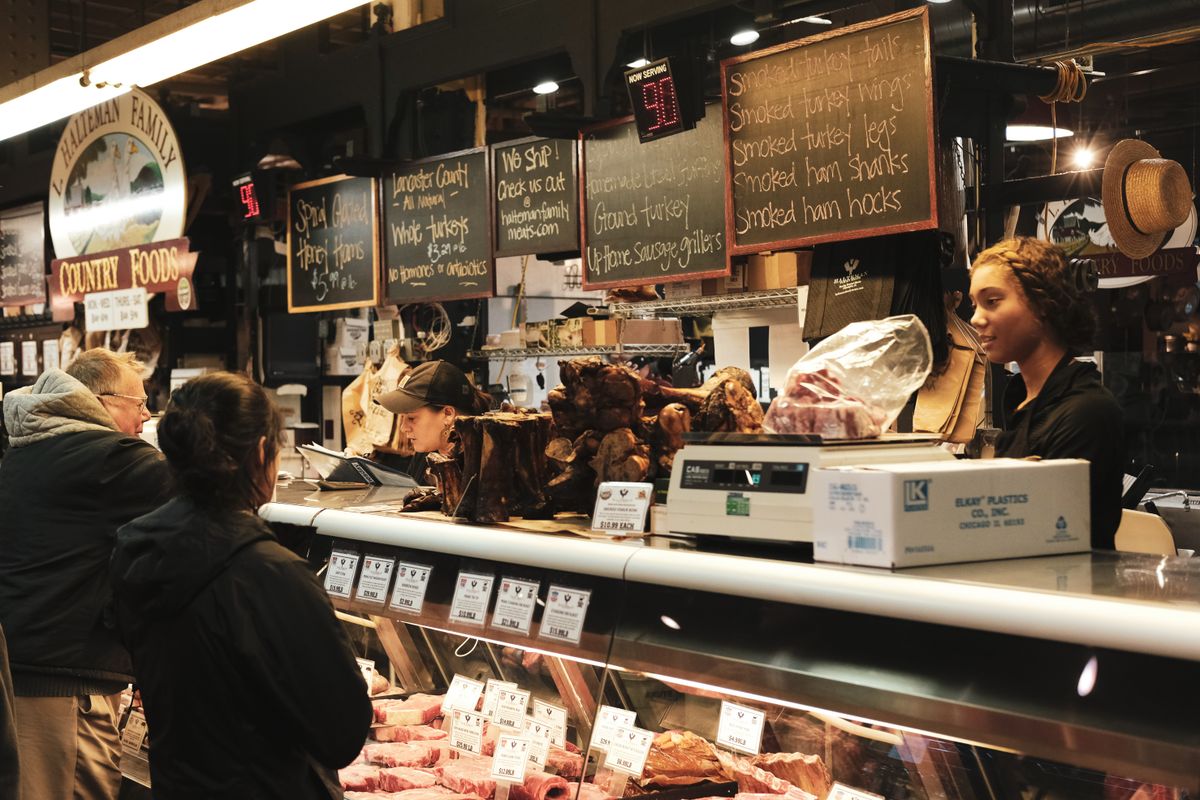
That smaller package of ground beef might look cheaper, but the price tag doesn’t tell the whole story. According to the National Institute of Standards and Technology, unit pricing helps shoppers compare products sold in different quantities. For example, imagine one package costs $6 for 16 ounces, while another costs $5 for 12 ounces. The first costs $6 per pound, while the second costs about $6.67 per pound.
These are hypothetical prices, but they demonstrate why checking unit costs matters. Also, read the net weight carefully. Two trays that appear similar in size may contain different amounts of meat.
Related Post:5 Protein-Packed Foods That Make Meatless Dinners Feel Like a Real Meal
Compare Similar Products Before Choosing a Brand
A familiar brand name can catch your attention, but it shouldn’t automatically determine what goes into your cart. When comparing store-brand and nationally branded ground meat, look at the product description, ingredients, weight, and fat percentage. Two packages may look interchangeable but have different formulations. For example, plain ground turkey and pre-seasoned turkey patties aren’t equivalent products, even if they’re displayed together.
Pay attention to promotional prices, too. Some discounts require a loyalty membership, digital coupon, or minimum purchase. The smartest comparison considers what you’re actually getting and what you’ll pay at checkout.
Understand What 80/20 and 90/10 Really Mean
Those numbers printed on ground meat packages aren’t just marketing details. They describe the product’s lean-to-fat composition. An 80/20 label means the product contains 80% lean meat and 20% fat. A 90/10 package has a different composition, which can affect how it behaves in your recipe. USDA labeling regulations set requirements for how these percentages are presented.
Instead of assuming one ratio is always best, consider what you’re cooking. If a recipe specifically calls for 80/20 ground beef, purchasing 90/10 means you’re working with a different formulation. Reading those numbers makes it easier to follow recipes as intended.
Don’t Assume Ground Chuck Always Means 80/20
Many shoppers assume ground chuck is 80/20, but that isn’t guaranteed. According to Texas A&M AgriLife, names such as ground chuck, ground round, and ground sirloin identify the beef’s source cut rather than guaranteeing one specific fat percentage. That means two packages labeled ground chuck could have different lean to fat ratios.
Federal standards also distinguish ground beef from hamburger. Hamburger may contain separately added beef fat, while ground beef has different composition requirements. The takeaway is simple: read both the product name and the percentage statement before choosing.
Read the Entire Product Name and Ingredient Label
Not every package labeled ground meat contains exactly what you might expect. For example, regular ground turkey isn’t necessarily the same product as ground turkey breast. Likewise, plain ground pork and pork sausage belong to different product categories. Seasoned ground meats may also contain additional ingredients that influence how you’ll use them.
The USDA’s federal labeling guide explains ingredient disclosure requirements for meat and poultry products. Before tossing a package into your cart, check whether it is plain, seasoned, or prepared for a particular recipe. If you want to control your own seasonings, plain ground meat may offer more flexibility.
Don’t Buy Family Packs Without a Plan
Large packages can look like excellent bargains, especially when their price per pound is lower. But buying three pounds of ground meat only makes financial sense if you have a plan to use it. Before choosing a family pack, think about your upcoming meals and how much each recipe requires. For example, a three pound purchase could be divided into three one-pound portions for separate cooking days.
Place unused portions in freezer-appropriate packaging, label them with the contents and date, and freeze them promptly. The USDA recommends using or freezing raw ground meat within one to two days of purchase. Buying in bulk works best when the quantity matches your cooking schedule.
Don’t Overlook Frozen Ground Meat
Fresh ground meat usually gets plenty of attention, but the freezer section deserves a look, too. Frozen ground beef, turkey, or other ground meats can be convenient when you’re planning meals later in the week. However, frozen doesn’t automatically mean cheaper, and fresh doesn’t automatically mean better. Compare package weights, product descriptions, ingredients, and unit prices just as you would with refrigerated options.
Consider your cooking schedule as well. Frozen meat requires a thawing plan, while refrigerated meat may be more convenient for a meal you’re preparing immediately. The USDA recognizes refrigerator, cold water, and microwave thawing methods and provides specific handling instructions for each. Choose the format that best fits your routine rather than automatically favoring one over the other.
Know What Those Package Dates Actually Mean
A date printed on ground meat packaging can be useful, but its meaning depends on the wording. According to the USDA’s Food Product Dating guidance, a sell by date helps stores manage inventory. Best-if-used-by and use-by dates generally relate to product quality, while freeze-by indicates recommended timing for freezing.
These dates shouldn’t be interpreted as guarantees that ground meat can remain refrigerated until the printed day. For example, buying meat on Monday with a Friday sell-by date doesn’t automatically mean it should stay in your refrigerator until Friday. Plan around when you’ll cook or freeze the product, rather than relying solely on the package date.
Inspect the Packaging Instead of Judging by Color Alone
It’s tempting to choose the brightest-looking package of ground beef, but appearance alone doesn’t tell the complete story. The USDA explains that meat color can change for several reasons and that color differences alone don’t establish whether a product has spoiled. Instead, examine the packaging for obvious problems such as tears, leaks, or damaged seals.
If a package is leaking, choose another and notify a store employee. An intact package doesn’t prove proper handling, but checking its condition is still a sensible part of shopping. Don’t assume every brown area means the meat is unusable, or that a bright red appearance guarantees freshness.