7 Rules Boomer Kids Grew Up With That Seem Strict Now
Childhood in the 1950s and 1960s came with a clear set of rules. Nobody had to write them down, because every child in the neighborhood lived by the same ones. Break a rule at a friend’s house, and that friend’s mother would correct you as quickly as your own.
Parents did not negotiate, and they did not explain. “Because I said so” was a complete answer. Children were expected to obey first and ask questions never.
Looking back, some of those rules seem remarkably strict. Today’s parents would never dream of enforcing most of them. Here are seven rules boomer kids grew up with that seem strict now.
1. Children Should Be Seen and Not Heard
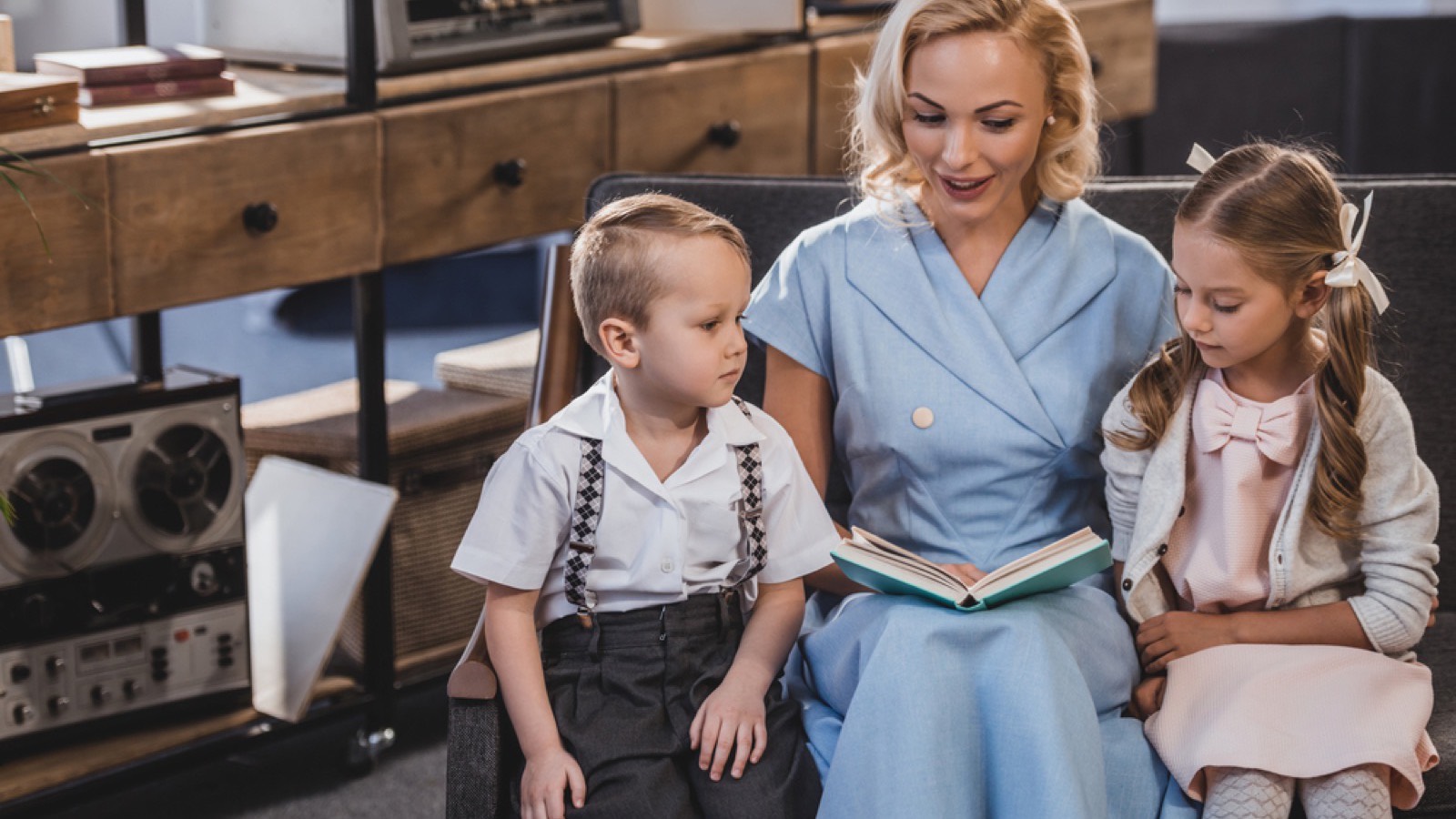
When adults were talking, children kept quiet. They did not interrupt, offer opinions, or join the conversation unless spoken to. At family gatherings, kids were sent to another room or outside.
The rule taught patience and respect for elders. It also meant that many children grew up feeling their thoughts did not count. Today’s parents are more likely to invite a child’s opinion on everything from dinner to vacation plans.
2. Be Home When the Streetlights Come On
Boomer kids spent their days outdoors with almost no supervision. They rode bikes across town, played in the woods, and wandered from yard to yard. No parent knew exactly where they were.
But there was one firm limit. When the streetlights flickered on, or when Mom rang a bell or called from the porch, you came home at once. Being late meant trouble, and there were many things kids in the 1960s did alone that parents would never allow today.
3. Eat What You Are Given
There was one dinner, and everyone ate it. A child who did not like liver, lima beans, or cooked spinach was out of luck. Complaining earned a lecture about starving children elsewhere in the world.

Many kids sat at the table for hours until their plates were clean. There were no separate meals and no snacks afterward. Modern parents, who often cook to each child’s taste, find this hard to imagine.
4. Always Say “Sir” and “Ma’am”
Children addressed adults with formal respect. It was “Yes, sir,” “No, ma’am,” “Mr. Johnson,” and “Mrs. Smith.” Calling a grown-up by a first name was unthinkable.
Kids were also expected to stand when an adult entered, give up their seat, and hold doors. Forgetting a “please” or “thank you” brought an immediate correction. These are among the old-school etiquette rules that have largely disappeared.
5. Chores Came Before Play
Every child had jobs, and they were not optional. Kids made their beds, washed dishes, mowed lawns, took out the trash, and looked after younger siblings. Saturday morning was for chores, not cartoons.
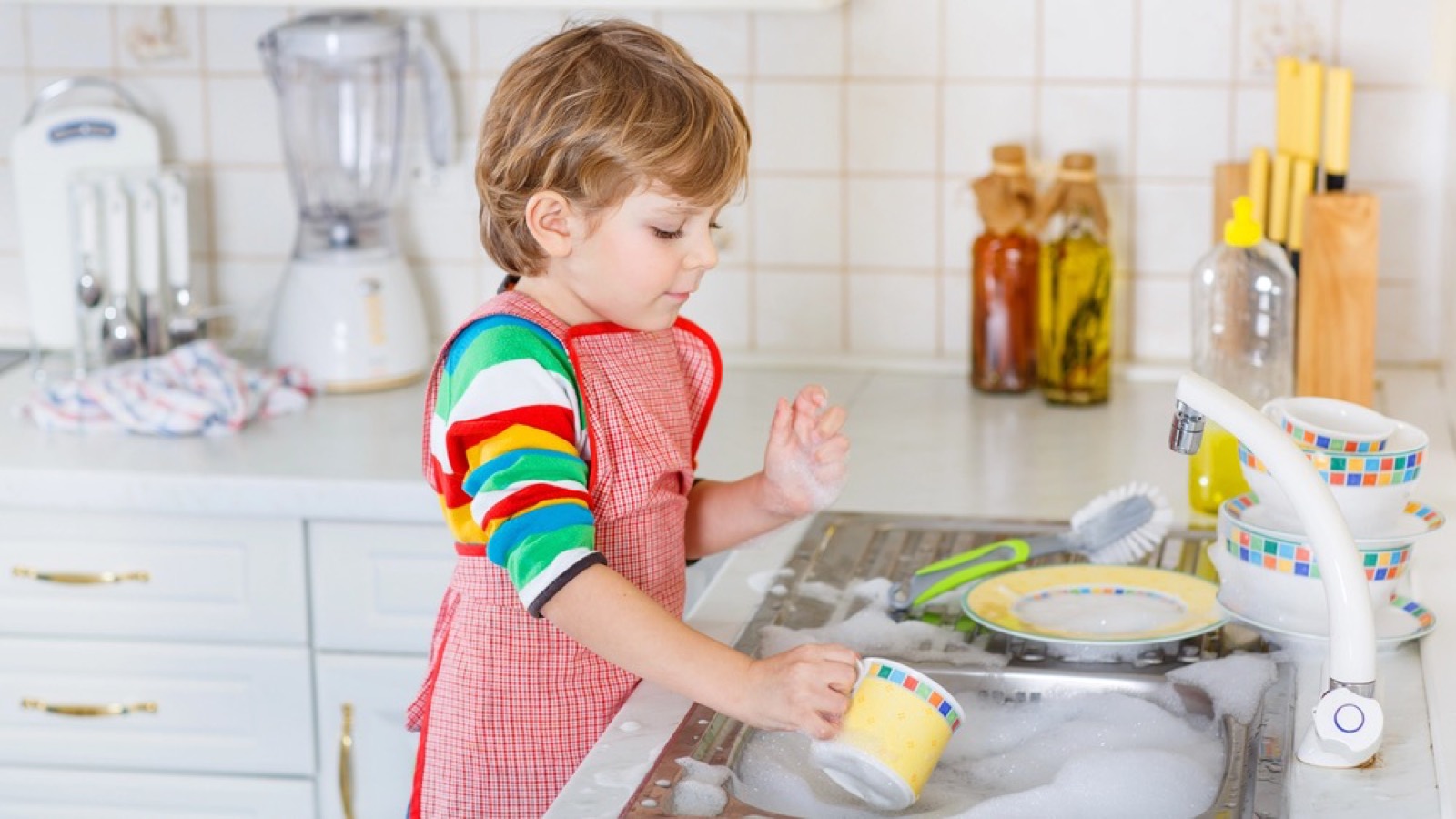
Allowance, if there was one, had to be earned. No one thanked a child for helping, because helping was expected. Experts today still recommend age-by-age chores that kids can handle, though few families are as demanding.
6. Do Not Talk Back
Disagreeing with a parent was called talking back, and it was not tolerated. A child who argued, rolled their eyes, or used a disrespectful tone was punished. The same went for teachers and other adults.
Punishment was often physical. Spanking was common at home, and many schools used a paddle. If a child got in trouble at school, they could expect a second punishment when they got home.
7. Sunday Was for Church and Family
Sunday had its own set of rules. Children put on their best clothes, sat still through the service, and came home to a big family dinner. Play clothes stayed in the drawer until afternoon.

In many communities, stores were closed, and noisy play was discouraged. The day was reserved for worship, rest, and visiting relatives. To a child, it could feel like the longest day of the week.
Why Parents Were So Strict
Boomers’ parents had lived through the Great Depression and World War II. They valued discipline, sacrifice, and obedience because those qualities had gotten them through. They wanted their children to be tough and respectful.
Families were also larger. With four, five, or six children, a mother needed order to keep the household running. There was no time to debate every instruction.
The whole community backed parents up. Teachers, neighbors, pastors, and shopkeepers all enforced the same standards. A child could not get away with much, because every adult was watching.
What Was Good About It
Many boomers look back on those rules with gratitude. They learned manners, responsibility, and how to work. They knew what was expected, which gave them a sense of security.
The freedom they had outdoors was remarkable. Roaming the neighborhood taught them independence and problem-solving. Those were childhood experiences that gave kids a real taste of independence.
Chores built skills that lasted a lifetime. A child who could cook, clean, and manage a little money was ready for adulthood. Many boomers feel that today’s young people missed out on that training.
What Was Not So Good
Other boomers remember the strictness with mixed feelings. Being told to keep quiet could leave a child feeling unheard. Fear of punishment sometimes took the place of real understanding between parent and child.
Views on physical discipline have changed dramatically. Pediatric and psychological experts now advise against spanking, citing research that links it with worse outcomes for children. Many schools have banned it.
Emotional needs were often overlooked. Children were told to stop crying and toughen up. Some boomers say they are still learning, late in life, how to talk about their feelings.
How Parenting Has Changed
Parents today tend to explain their rules and listen to their children’s side. They are more involved in schoolwork, activities, and friendships. They are also far more cautious about safety.
Children now have less freedom to roam and more supervised time. Experts worry that kids are not getting enough unstructured play and exercise. The CDC recommends that children and teens get 60 minutes or more of physical activity each day.
Grandparents sometimes shake their heads at how things are done now. That can cause friction, since there are grandparent habits that can frustrate grown children without anyone realizing it. Each generation believes it knows best.
Finding the Middle Ground
The truth probably lies somewhere in between. Children need both structure and warmth. Rules without affection can feel harsh, and affection without rules can leave a child unprepared.
Many families are blending the best of both approaches. They expect good manners and chores, but they also talk things through. They give children a voice without handing over control.
Boomers themselves were often gentler parents than their own had been. Their children have softened things further. Parenting keeps changing with every generation.
Would You Bring Them Back?
Ask a group of boomers about these rules, and you will start a lively conversation. Some say kids today need more discipline. Others are glad the old ways are gone.
Most agree on one thing. They knew they were loved, even when the rules were hard. Which of these rules did you grow up with, and did you pass any of them on to your own children?