Forgot to Soften Your Butter? These Simple Tricks Actually Work
You have the chocolate chips measured, the oven preheating, and the cookie dough practically calling your name. Then you remember the butter. It’s sitting in the refrigerator, cold and hard as a rock.
If you’ve ever tried spreading refrigerator-cold butter on toast or mixing it into cookie dough, you know the struggle. Fortunately, you don’t have to wait an hour or risk turning your butter into a melted puddle.
From a simple cheese grater to a surprisingly effective microwave trick, these tried-and-tested methods can save your baking plans.
First, How Soft Should Butter Actually Be?
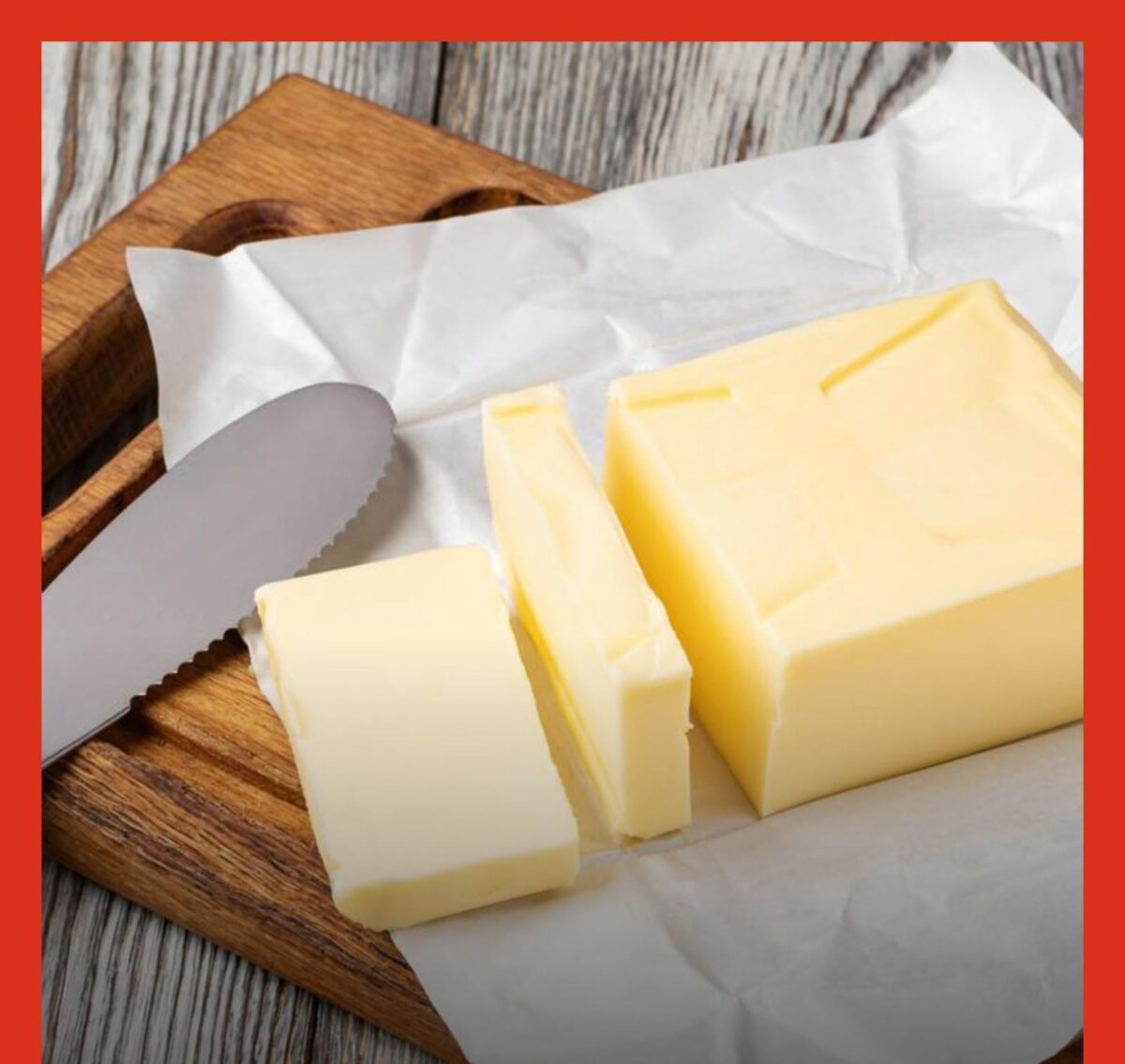
Before trying any shortcut, it helps to know what you’re aiming for.
According to McCormick’s November 2026 cookie-baking guide, butter around 65°F to 68°F is ideal for many cookie recipes. At this temperature, it mixes well with sugar and helps create the light, tender texture bakers want.
The easiest test doesn’t require a thermometer. Press your finger gently into the butter. If it leaves an indentation without making the stick collapse, you’re ready to bake.
Grate Your Butter Like Cheese
Your ordinary box grater might be the fastest solution sitting in your kitchen drawer.
Instead of waiting for an entire stick to soften, run cold butter across the large holes of a cheese grater. The thin shavings expose more surface area to room-temperature air, helping them soften quickly.
According to Land O’Lakes’ butter-softening guide, grated butter can soften in just a few minutes.
This is especially convenient when you’re halfway through preparing chocolate chip cookies, brownies, or homemade frosting.
Related: Nutty Goodness: Healthy Protein Peanut Butter Smoothie
Cut It Into Small Cubes
Sometimes, the simplest trick is the most dependable.
Rather than leaving a whole stick of butter on the counter, slice it into small, evenly sized cubes. Spread the pieces across a plate and let them sit while you measure your flour and sugar.
Land O’Lakes estimates that small butter cubes can soften in approximately 15 minutes, compared with roughly 30 to 45 minutes for a whole refrigerated stick under typical conditions.
The actual time depends on your kitchen temperature, but this method requires almost no effort.
Give It a Quick Workout With a Rolling Pin
Here’s a butter-softening method that doubles as stress relief.
Place your cold butter between two sheets of parchment paper or inside a sturdy resealable plastic bag. Then gently pound and flatten it using a rolling pin.
Flattening the butter makes it thinner and easier to work with without exposing it to intense heat.
A Food & Wine kitchen test published in 2025 found that pounding and folding butter with a rolling pin softened it evenly in approximately 10 to 15 minutes.
It’s particularly useful when you want softened butter without taking chances with the microwave.
Try the Warm-Glass Trick, but Know Its Limits
You’ve probably seen this kitchen hack on social media: warm a glass or bowl with hot water, empty it, and place it upside down over cold butter.
The trapped warmth is supposed to soften the butter without melting it.
It sounds clever, and it can help warm the outside. However, results aren’t always impressive.
In King Arthur Baking’s butter-softening experiments, the heated-bowl method took around 12 minutes and still left the butter cold and firm in the middle.
The takeaway? It’s worth knowing about, but slicing or grating is generally more dependable.
Use the Microwave Carefully
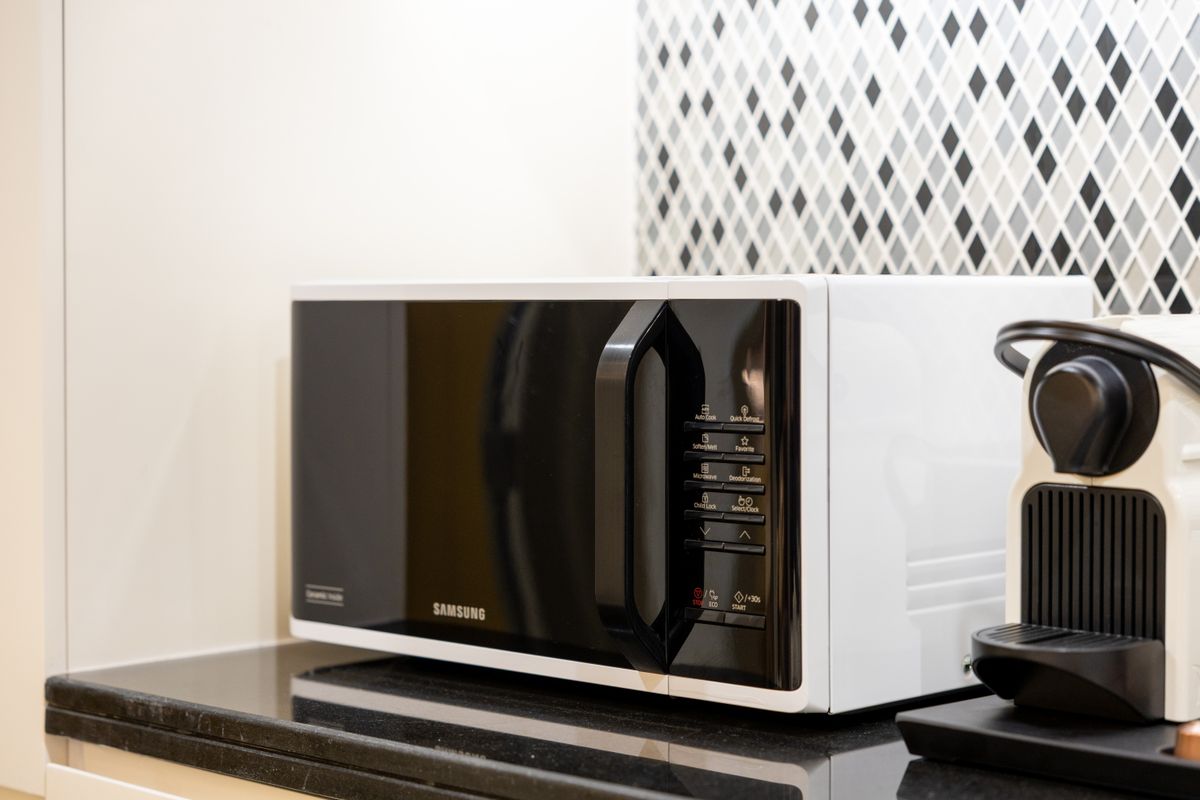
The microwave is tempting when you’re impatient, but it’s also one of the easiest ways to accidentally melt your butter.
Interestingly, King Arthur Baking discovered that a specific microwave technique worked remarkably well.
During its tests using a 1,000-watt microwave, researchers stood a stick of butter upright on a microwave-safe plate, heated it for eight seconds, flipped it onto its opposite end, and heated it for another eight seconds.
The result was evenly softened butter in just 16 seconds.
However, microwave power varies considerably. Begin with shorter intervals and inspect the butter frequently. Land O’Lakes generally recommends avoiding microwaves for baking butter because uneven heating can affect the finished texture.
Why Melted Butter Isn’t Always a Good Substitute
It’s easy to think softened butter and melted butter are basically the same ingredient. Unfortunately, your cookies might disagree.
When softened butter is beaten with sugar, it traps tiny pockets of air that contribute to the structure of cakes and cookies.
King Arthur Baking explains that butter that’s too warm struggles to hold those air pockets, potentially producing denser baked goods.
That doesn’t mean melted butter is bad. Some brownie and cookie recipes specifically call for it. The important thing is following your recipe’s instructions rather than assuming every form of butter works interchangeably.
Related: 20 clever kitchen tricks for home cooks
One Last Butter-Safety Tip
Leaving butter out briefly to soften is different from storing it on the counter indefinitely.
In a May 2026 food-safety discussion, the University of Maine Cooperative Extension explains that butter’s salt content, moisture, fat concentration, and processing all affect its storage stability.
For everyday use, follow the storage instructions on the package and refrigerate unused butter after your baking session.
The Bottom Line
You don’t need expensive kitchen gadgets or an elaborate trick to soften butter successfully.
Grating works beautifully when you’re short on time, cubing is convenient for everyday baking, and a rolling pin gives you more control. The microwave can be incredibly fast, but only when handled carefully.
The next time your cookie craving strikes and your butter is still sitting in the fridge, remember that a little kitchen know-how can make all the difference.