Adults Are Getting Their Hands Dirty at Pottery Class, and the Appeal Goes Beyond a Cute Mug
Your next weekend plan could involve a spinning wheel, a stubborn lump of clay and a bowl that develops an unexpected personality. Pottery classes offer something different from the usual dinner reservation: a chance to learn a hands-on skill, spend time with other people and make something yourself. Instructors and studio operators say that combination is attracting enthusiastic beginners and, in some places, creating substantial waiting lists.
The evidence is more specific than a sweeping claim that everybody has become a ceramicist. In reporting published by GBH in December 2024, Kathy King, director of Harvard’s ceramics program and visual arts initiatives, described demand exceeding available places. “We can serve about 350 students at our facility, and right now we have 495 waitlisted,” she said. Those figures describe that program at that time, not nationwide participation, but they illustrate the interest studios are reporting.
A Weekend Plan That Gives Your Phone Some Competition
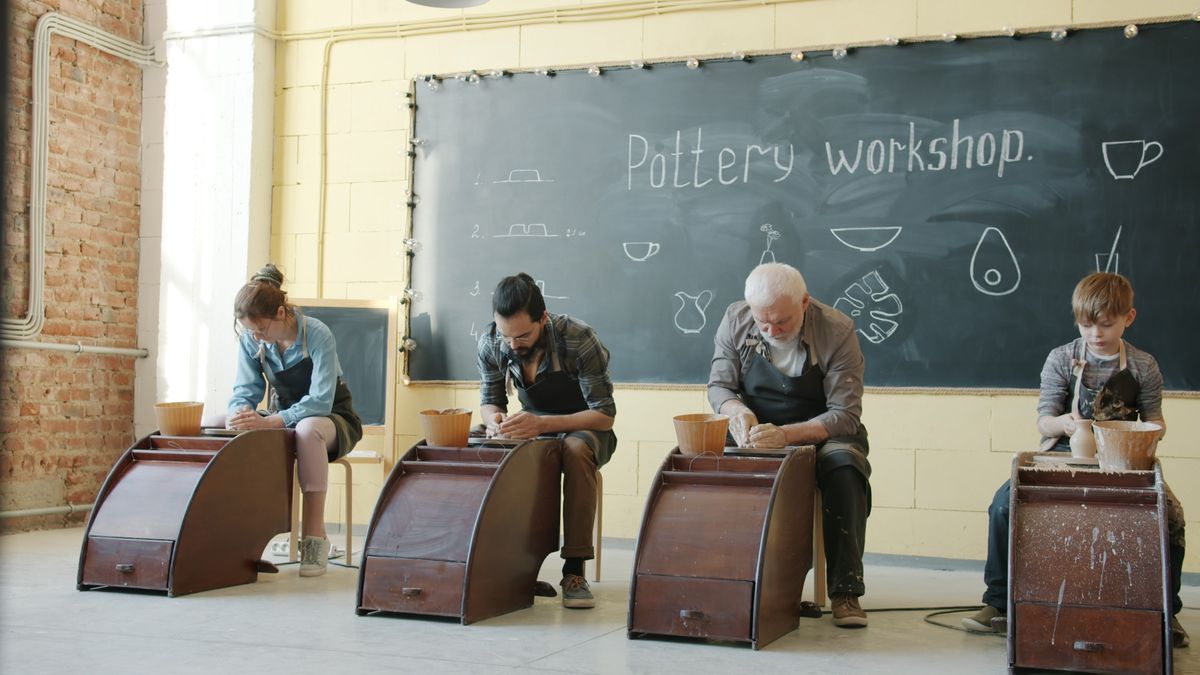
Part of pottery’s appeal is refreshingly physical. Instead of watching someone else make a beautiful object, you are learning what happens when your own hands meet clay. Kate Kuligowski, a ceramics artist and instructor at Mudflat Studio in Somerville, Massachusetts, told GBH that pottery calls for patience, focus and attention. Her explanation offers a practical reason the activity can feel different from another afternoon spent moving between screens.
“It’s just a really good way to kind of disconnect from that everyday and really hone in on spending time with other people, not being on your phone, and enjoying yourself,” Kuligowski said. That is an instructor’s account of the experience, not evidence that a pottery class treats a health condition. The attraction does not need a medical promise: Enjoying an absorbing activity is a perfectly respectable reason to book Saturday afternoon.
Adults were describing that attraction well before the latest round of hobby headlines. In February 2022, The Charlotte Ledger reported that a four-week Sunday ceramics course at the Morrison Family YMCA filled after arts program director Shana Templin revived adult offerings. “I think adults are finally allowing themselves to be artists, whereas typically they think of it as something for kids,” Templin said. Her observation points to another draw: permission to be a beginner without needing a professional ambition.
The Social Appeal Comes With Something to Do
Pottery also offers a social setting with an activity already built in. You do not have to invent the entire outing; the class supplies instruction, materials and a shared task. Clay Lounge, which operates studios in Boston and Somerville, explicitly offers beginner-friendly one-time workshops for people trying something new or changing up date night. Its private sessions also accommodate birthdays, reunions and other group gatherings. The format gives familiar celebrations a different centerpiece.
For some participants, an introductory outing becomes a recurring appointment. Clay Lounge founder Jesse Golden told GBH that growing demand helped lead to a second location in 2024. “This turned into a nice community of regulars, people that really wanted to dive further into the craft,” he said. “They make it their habit to come every Monday night or every Tuesday night.” A weekend experiment can become a longer interest, although nobody needs to commit that far ahead.
The one-time option matters because curiosity does not always come with room for a semester-long course. Clay Lounge lists introductory sessions on Fridays, Saturdays and Sundays, alongside longer courses for people who want to learn more. In Charlotte, Clayworks executive director Adrienne Dellinger told The Ledger in 2022 that its monthly one-time wheel workshops consistently sold out. “When we release them, it’s like getting the best concert tickets you could possibly get,” she said of class registration.
Those accounts help explain the weekend appeal without pretending every studio is identical. A short workshop lets adults try the materials and instruction before deciding whether to invest in regular classes.At Clay Lounge, the one-time format includes tools and aprons, while longer courses provide opportunities to explore the process more deeply. That removes the need to outfit a home workspace just to discover whether working with clay is something you actually enjoy.
Related: See One of These 8 Coffee Mugs at a Thrift Store? Take It Home
The Videos Look Easy. The Clay Has Other Ideas
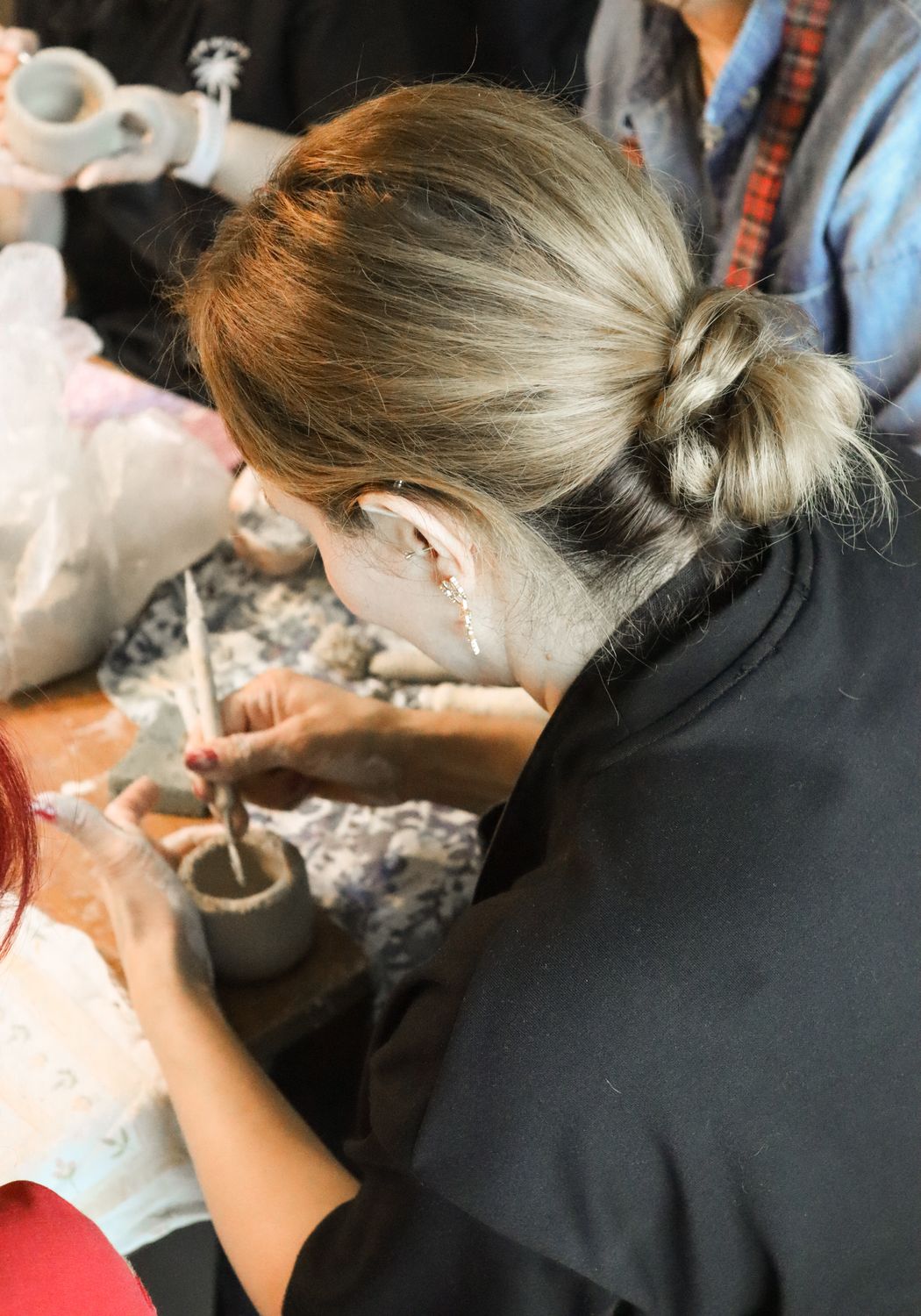
Social media is part of the story, too. King, Kuligowski and Golden all told GBH that it had contributed to ceramics’ popularity. Videos can introduce viewers to the craft and the artists making it, but Golden cautioned that they can also create unrealistic expectations about difficulty. Watching a practiced potter produce a graceful vessel is not the same as possessing the skill yourself.The appealing clip may leave out years of practice.
Golden described workshop participants arriving with ambitious plans: “Hey, I want this large fruit bowl as the centerpiece.” His response was playful but pointed: “All right, I’ll see you in ten years of hard dedication to the craft.” The lesson is not that beginners should avoid pottery. It is that an introductory class is an introduction. Learning the basic movements and seeing what you can make is a more realistic goal than reproducing a professional’s signature piece.
There’s also a practical expectation to adjust: Your creation may not go home with you that day. Clay Lounge says participants in its one-time classes make one or two pieces, select a glaze color, and collect the finished work roughly four weeks later. Its sessions allow two hours for working with clay plus another 30 minutes for cleanup. Before booking elsewhere, check what the fee includes, the collection arrangements, and the cancellation policy rather than assuming every workshop operates alike.
That delayed pickup is part of what makes pottery different from an ordinary weekend purchase. You are paying for instruction and an experience, with an object to collect afterward, not ordering a guaranteed masterpiece. The instructors’ accounts suggest that attention, company and the opportunity to keep learning are central to the appeal. A beautifully symmetrical bowl would be lovely. Discovering an activity you want to try again is a worthwhile result, too.