Don’t Just Save Grandma’s Recipes. Turn Them Into a Family Book Everyone Will Want to Open
A recipe card can tell you how much flour to use. It won’t necessarily tell you who sneaked the first cookie, why the holiday stuffing changed, or which relative considered garlic measurements a personal insult. Those details deserve a place beside the ingredients. A family recipe book gives you somewhere to collect both: meals people want to cook and stories that explain why those meals matter.
You don’t need a publishing contract, professional photographs, or enough recipes to rival a diner menu. Start with a manageable collection, talk to the people connected to each dish, and make sure the instructions actually work. Then bring everything together in a format your family will use. The aim isn’t to create the fanciest cookbook on the shelf. It’s to make one that feels yours unmistakably.
Start With the Meals People Remember, Then Ask Better Questions
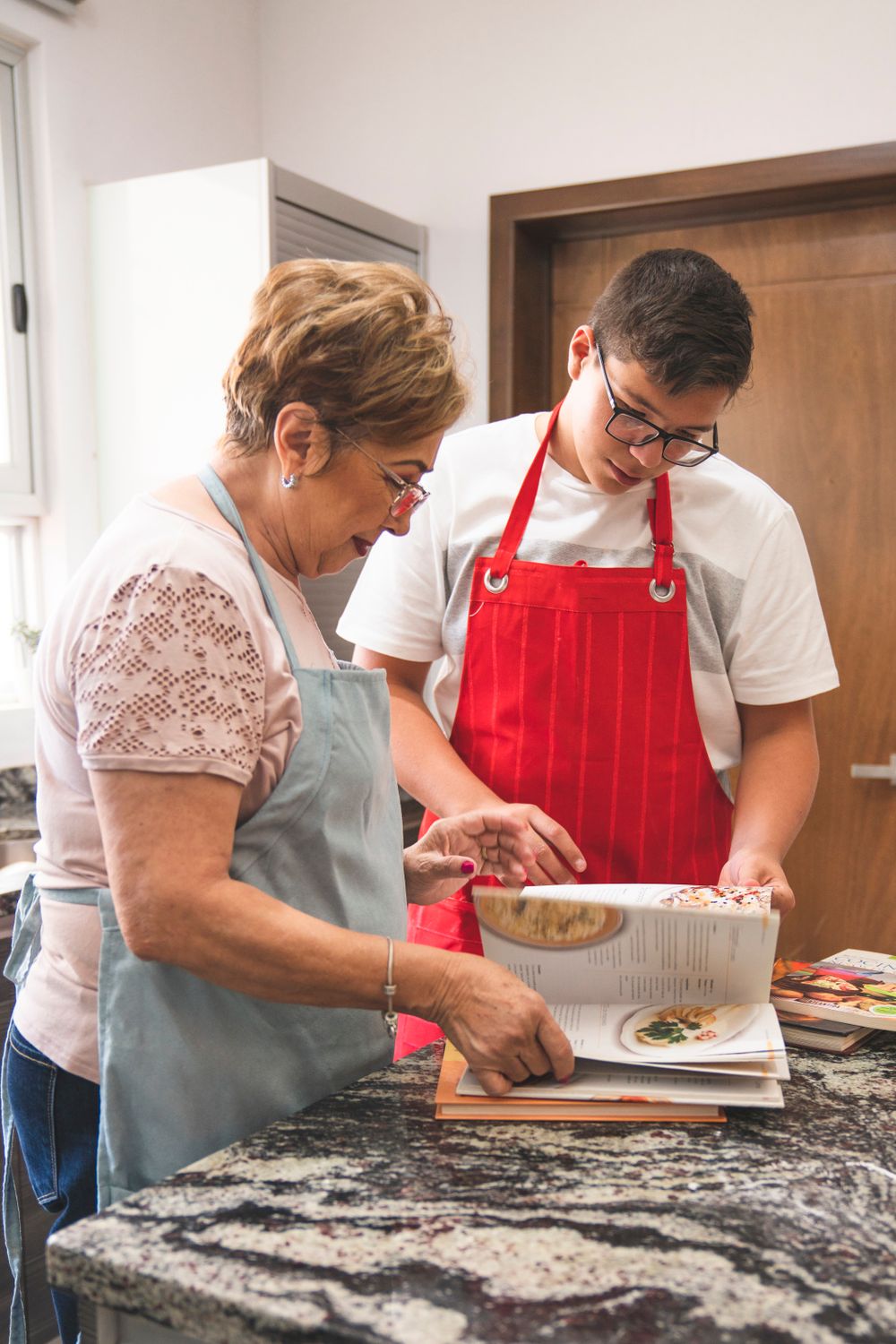
Before choosing fonts or designing a cover, ask relatives which dishes belong in the book. Include everyday favorites alongside celebration food: the weeknight pasta, the birthday cake, the breakfast someone always requested. Invite contributions from different generations rather than letting one person’s definition of “family cooking” decide everything. A newer favorite can sit beside an inherited recipe without needing an elaborate origin story to justify its place.
For each contribution, collect the recipe, the contributor’s name, and a short account of its connection to your family. Ask who taught them to make it, when they serve it, and whether the ingredients have changed. According to the Smithsonian’s oral history interviewing guide, a family cookbook should include memories about the cooks, associated celebrations and explanations of how recipes changed across time and place. Those questions turn a collection of instructions into something more revealing.
Keep the conversation specific. Instead of asking for someone’s entire childhood, ask what happened in the kitchen while that particular meal was cooking. Who helped? What was served alongside it? Was there a special pan, serving dish or last-minute adjustment? With permission, record the conversation so you can listen instead of frantically transcribing. Later, select a short passage that gives the recipe context without burying the cooking instructions.
Be equally clear about what nobody knows. If relatives disagree about where a dish originated, attribute their recollections rather than declaring a winner. If a recipe came from a magazine, cookbook or package, record that source instead of presenting it as a family invention. A meal can become part of your family’s traditions without having been invented in your family’s kitchen. The interesting story may be how someone made it their own.
Get Into the Kitchen and Translate “A Little” Into Instructions
Collecting a recipe is not always the same as capturing how someone cooks it. A handwritten card may leave out a familiar step, while an experienced cook may measure by sight. When possible, arrange a cooking session and ask the contributor to walk you through the process. Lay out the ingredients, note quantities and equipment, and pay attention to what the food should look or feel like at each stage.
Cookbook author Patricia Tanumihardja makes that distinction in her Smithsonian-hosted guide to recording family recipes. “The story behind a family recipe is just as important as the ingredients and technique,” she writes. Her practical advice includes documenting cooking sessions, translating informal quantities into standard measurements and making the dish independently afterward for feedback. That last step helps reveal what a confident family cook may do automatically but a newcomer still needs explained.
Give every recipe a consistent structure: title, contributor, servings or yield, ingredients, numbered directions and any relevant notes. List ingredients in the order they appear in the method, and specify details such as pan size, oven temperature and whether an ingredient needs chopping beforehand. Replace an unexplained “cook until done” with the timing and observable cues you recorded during testing. Keep someone’s colorful kitchen expressions in the story, but make the method usable.
Ask another family member to cook from the written version without receiving extra coaching. Have them flag missing quantities, confusing steps, and assumptions about equipment. If you change the recipe during testing, label the adjustment rather than silently rewriting someone’s version. Two relatives’ variations can both appear, clearly credited. There’s no need to settle a longstanding cornbread debate when the book has room to document both sides.
Related: Why a Recipe Card in a Loved One’s Handwriting Is Worth Preserving and How to Do It
Make a Book That Can Survive Real Family Life
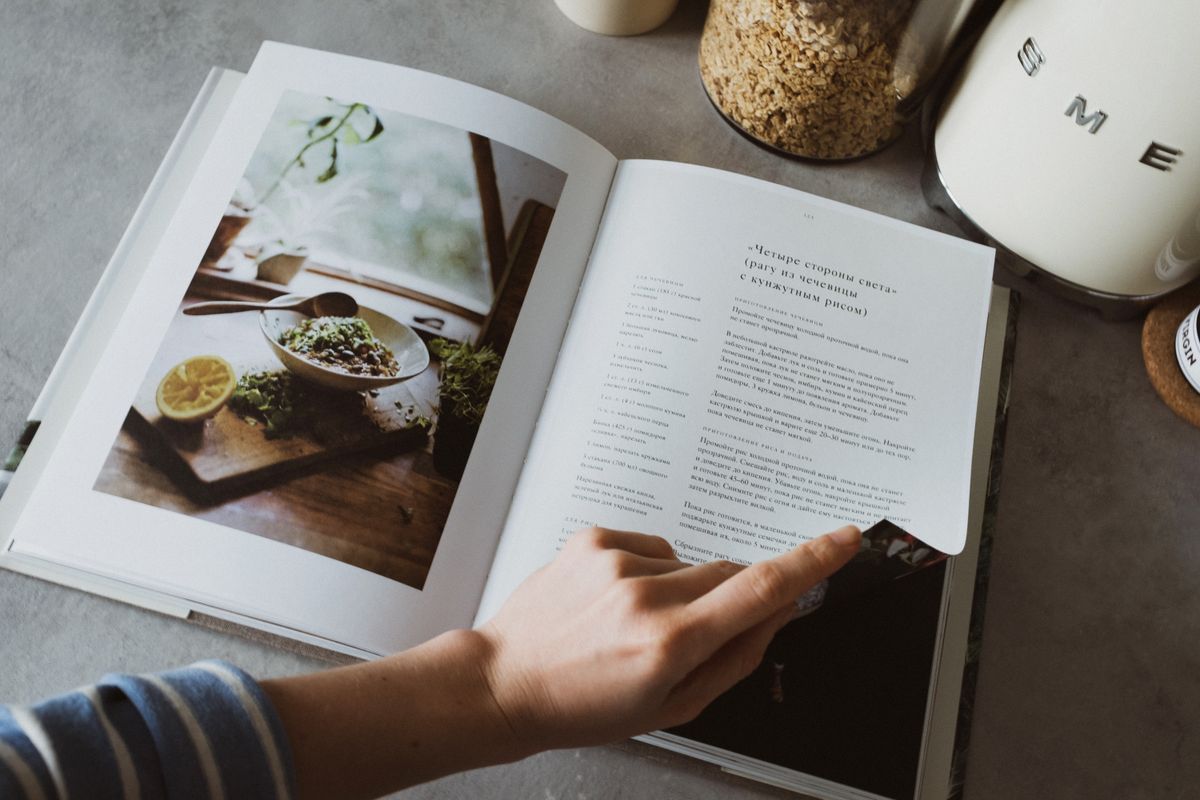
Choose the format around how people will use it. A binder lets you add recipes and replace pages; a printed book creates a finished keepsake; a shared digital document makes revisions straightforward. You can also combine them by keeping an editable master and producing printed copies. Organize recipes by meal, occasion, or family branch, but include a contents page so nobody needs a treasure map to find the potatoes.
Give each recipe a clear cooking section and a separate space for its story. Add photographs of the finished dish, the contributor or a gathering connected to it, with names and dates where known. A scanned handwritten card can sit alongside a readable transcription. Before sharing, let contributors review their recipes and quotations, and ask permission to include personal photographs or sensitive anecdotes. A funny story should remain funny to the person featured.
Keep the underlying materials, not just the finished layout. According to the Library of Congress, personal digital collections benefit from meaningful filenames, a consistent folder structure, and backup copies stored separately. Apply that guidance to recipe scans, photographs, recordings, and the editable book file. Check that copied files open correctly, and give another trusted family member access so the entire project doesn’t depend on one person’s computer.
Finally, date the first edition and leave room for additions. New cooks, new favorites, and better instructions can become part of the next version. Write a short introduction explaining who contributed and what you wanted to preserve, then share the book and cook from it. The most satisfying result isn’t a flawless family artifact nobody touches. It’s a useful collection that people open, discuss, and occasionally dust with flour.