Grocery Prices Are Out Of Control: 10 Items to Grab Before Costs Soar Again
Grocery shopping no longer feels like a simple weekly errand. It feels like a quiet math test with shrinking packages, stubborn prices, and the same cart somehow costing more than it did a few months ago. We are seeing food inflation settle into the parts of the kitchen that families depend on most, from protein and produce to coffee, sugar, and shelf-stable basics.
That does not mean panic buying belongs in the plan. Smart shoppers do not need to empty shelves or overspend on items they will never use. The better move is to identify the foods most exposed to price pressure, buy them in practical quantities, store them properly, and build meals around ingredients that hold their value. These are the grocery items worth grabbing before another round of price hikes makes the weekly receipt sting harder.
Beef Cuts That Can Stretch Across Several Meals
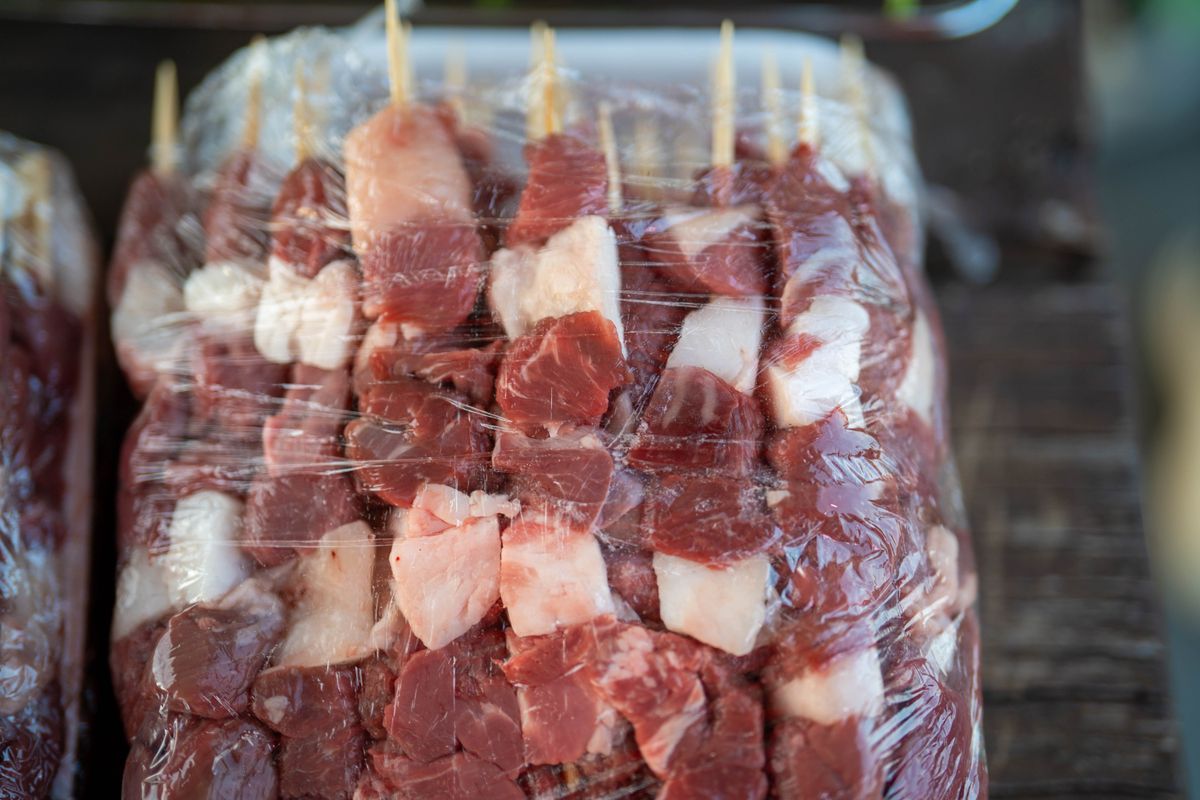
Beef remains one of the most painful categories for shoppers because cattle supplies remain tight, and retail prices have stayed elevated. We should treat beef less like a casual weeknight default and more like a strategic freezer item. Ground beef, chuck roast, stew meat, brisket flats, and family packs of sirloin tips can stretch across tacos, pasta sauces, rice bowls, soups, casseroles, and slow-cooker meals.
The smartest move is to buy beef only when the price drops through a store promotion, a manager’s special, or a warehouse club discount. Dividing larger packs into one-pound portions protects the budget by keeping us from thawing more than we need. Vacuum sealing or double-wrapping in freezer paper helps reduce freezer burn, which matters when every pound costs more.
Fresh Vegetables With High Nutrient Value
Fresh vegetables are another category where price jumps can hit quickly, especially when weather, transportation, labor, and seasonal supply issues collide. Tomatoes, peppers, leafy greens, onions, carrots, broccoli, cabbage, and celery deserve special attention because they influence so many everyday meals. A small rise in these basics can raise the cost of salads, soups, stir-fries, sandwiches, sauces, and school lunches.
We should focus on vegetables that provide more than one use. Cabbage can be made into slaw, stir-fry, soup filler, or taco topping. Carrots can work in stews, sheet-pan meals, lunch boxes, and pasta sauces. Bell peppers can be chopped and frozen before they soften. The goal is to grab produce that can survive a few meals, not delicate items that spoil before we use them.
Coffee Before the Morning Cup Gets Pricier
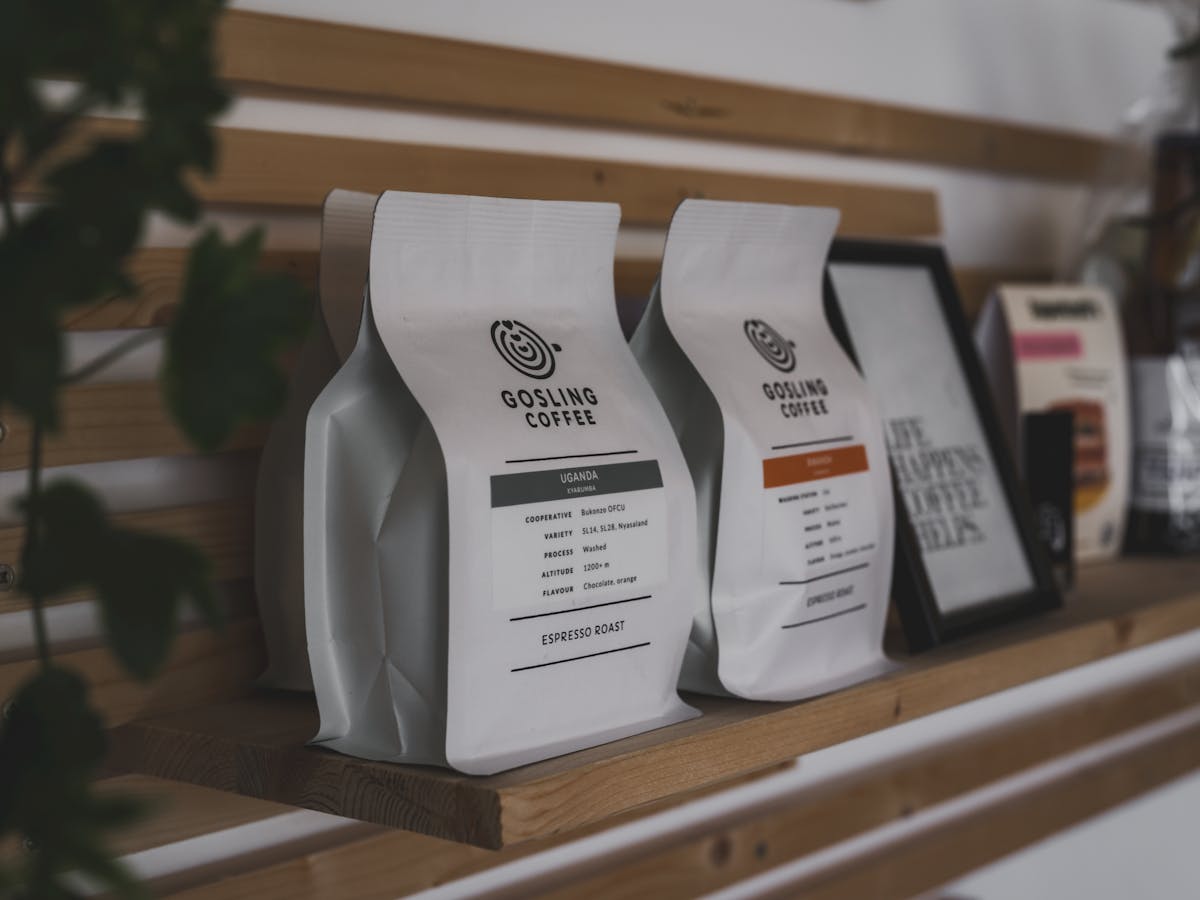
Coffee is one of those grocery items people notice immediately because it is tied to their daily routine. When coffee prices climb, shoppers feel it at home, at the drive-through, and in office break-room budgets. Ground coffee, whole beans, instant coffee, cold brew concentrate, and single-serve pods can all become more expensive when global crop stress, shipping costs, and beverage inflation push prices higher.
We should buy coffee with storage in mind. Whole beans hold flavor better than pre-ground coffee, and unopened bags can stay fresher in a cool, dark pantry. Bulk buying only works when the household drinks enough to finish it before the flavor fades. For families that brew daily, grabbing two or three extra bags during a sale can protect the budget without creating waste.
Cooking Oils That Affect Almost Every Recipe
Cooking oil sits quietly in the pantry until prices jump, then suddenly every fried egg, roasted vegetable, salad dressing, boxed cake mix, and sautéed dinner feels more expensive. Vegetable oil, canola oil, olive oil, avocado oil, sunflower oil, and shortening all deserve attention because oils are tied to global commodity markets and production costs. When vegetable oil prices rise, the impact can be felt in both home cooking and packaged foods.
We should avoid buying more oil than we can use before it turns stale. A sealed bottle kept away from light and heat is a practical pantry hedge, but a giant container that sits open for months can lose quality. For most homes, one active bottle and one backup bottle is a sensible balance. Olive oil buyers should watch for real discounts, not fake “sale” tags placed on already inflated shelf prices.
Cereal And Bakery Staples For Fast Breakfasts
Cereal and bakery products may rise more slowly than some other categories, but they still matter because families buy them often. Breakfast cereal, oats, flour, pancake mix, bread, tortillas, bagels, crackers, and pasta-adjacent bakery staples are convenience foods that can quietly drain a grocery budget. Even small increases feel bigger when a household replaces these items every week.
We should prioritize versatile grain staples over flashy packaged items. Old-fashioned oats can be used for breakfast bowls, homemade granola, overnight oats, muffins, and meatloaf binder. Flour can be used to make pancakes, biscuits, pizza dough, and simple baked goods. Tortillas can be used for wraps, quesadillas, breakfast burritos, and freezer meals. These basics help us reduce dependence on pricier ready-made foods.
Sugar, Chocolate, And Baking Add-Ins
Sugar and sweets are not just about candy cravings. This category also touches baking, lunch-box treats, holiday cooking, coffee routines, and homemade desserts. Chocolate chips, cocoa powder, brown sugar, granulated sugar, honey, syrup, marshmallows, and baking mixes can all move higher when ingredient costs, packaging, and demand pressure hit the shelf.
We should buy baking staples before peak holiday demand, not after everyone else starts stocking up. Sugar stores well when sealed against moisture, and chocolate chips can last longer in a cool pantry or freezer. Cocoa powder is especially useful because it can flavor cakes, brownies, oatmeal, smoothies, and homemade hot chocolate. A small baking stockpile lets us make treats at home instead of paying bakery-case prices.
Fish And Seafood For Freezer-Friendly Protein
Fish and seafood can become expensive quickly because they are shaped by fuel costs, import conditions, cold-chain logistics, and supply swings. Fresh salmon, shrimp, cod, tuna, tilapia, canned fish, and frozen seafood blends can all pressure the budget. For families trying to eat more lean protein, inflation in seafood prices can turn a healthy dinner plan into a luxury purchase.
Frozen seafood often offers better control than fresh seafood because it reduces the risk of spoilage. Bags of frozen shrimp, salmon portions, white fish fillets, and seafood mixes can be portioned for quick meals. Canned tuna, sardines, salmon, and mackerel also deserve pantry space because they work in sandwiches, salads, pasta, rice bowls, and quick protein plates. The best buy is the item the household will actually eat regularly.
Shelf-Stable Sauces, Condiments, And Flavor Builders
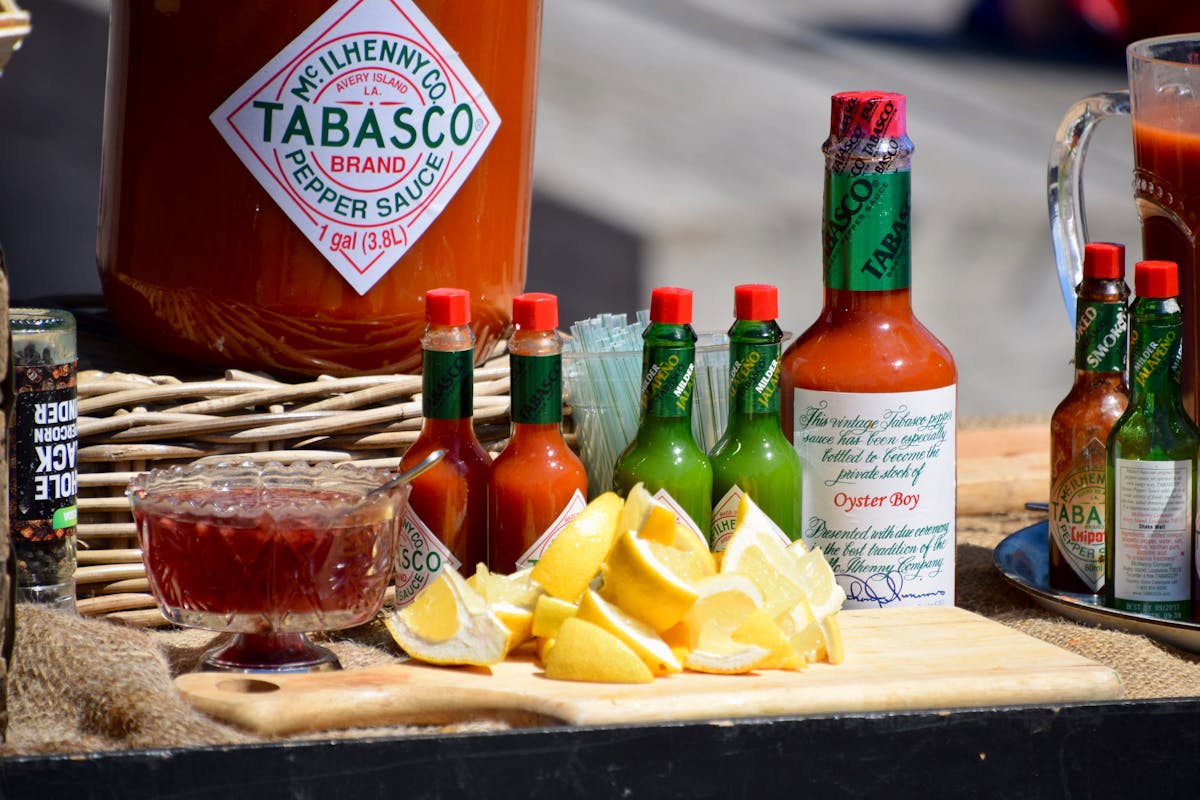
The “other foods” category can be easy to overlook, but it includes many of the items that make cheap meals taste good. Pasta sauce, salsa, soy sauce, hot sauce, mustard, mayonnaise, salad dressing, broth, bouillon, vinegar, pickles, marinades, and spice blends can all rise with packaging, transportation, sugar, oil, and ingredient costs. These items may not dominate the cart, but they shape how often we can turn budget staples into satisfying meals.
We should stock flavor builders during promotions because they help stretch cheaper ingredients. A jar of salsa can support eggs, rice bowls, tacos, beans, baked potatoes, and chicken. Broth can turn leftovers into soup. Soy sauce and vinegar can rescue plain rice, cabbage, noodles, and frozen vegetables. When money gets tight, flavor keeps budget meals from feeling like punishment.
Frozen Fruits And Vegetables For Backup Meals
Frozen produce is one of the most practical defenses against rising costs of fresh produce. Frozen berries, spinach, broccoli, peas, corn, mixed vegetables, mango, and stir-fry blends provide nutrition without the spoilage risk associated with fresh items. When fresh prices spike, frozen options can keep smoothies, soups, casseroles, pasta dishes, and side plates moving.
We should look for plain frozen produce rather than heavily sauced versions because plain bags are more flexible. Frozen spinach can go into eggs, soups, rice dishes, pasta, and dips. Frozen berries can be used in oatmeal, yogurt, smoothies, and baking. Frozen mixed vegetables can bulk up fried rice, pot pies, noodles, and quick soups. A freezer with a few dependable produce bags can prevent expensive last-minute grocery runs.
Beans, Rice, Pasta, And Pantry Proteins
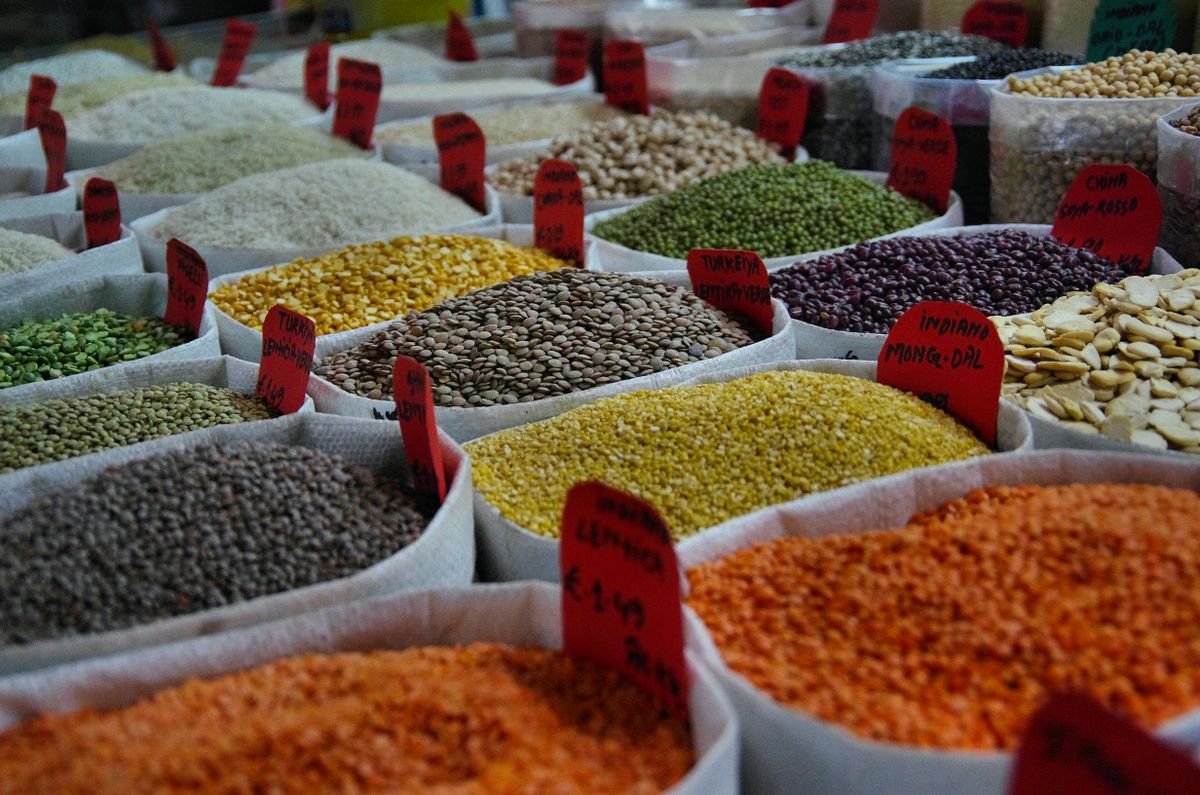
Pantry staples remain the strongest line of defense against grocery inflation. Dry beans, canned beans, lentils, rice, pasta, peanut butter, canned tomatoes, chickpeas, and shelf-stable protein options can anchor meals when meat and fresh produce prices rise. These foods are not glamorous, but they are dependable, filling, and easy to combine with whatever fresh items are affordable that week.
We should build a pantry around meals, not random cans. Black beans, rice, salsa, and frozen peppers can be used to make burrito bowls. Lentils, carrots, broth, and canned tomatoes can be made into soup. Pasta, canned tuna, peas, and a simple sauce can become a full dinner. Peanut butter can be used for breakfast, snacks, sandwiches, and sauces. The best inflation-proof pantry is one that turns quickly, saves money, and never becomes cluttered.
Final Thoughts
Food costs are not slowing down in a way shoppers can ignore. The smartest response is not fear, but strategy. We can protect the household budget by buying high-risk categories before the next price jump, choosing foods with long storage lives, freezing proteins and produce properly, and building meals around ingredients that work in multiple recipes.
The grocery aisle will keep changing, but a prepared kitchen gives us more control. Beef, vegetables, coffee, cooking oils, cereals, baking staples, seafood, sauces, frozen produce, and pantry proteins all deserve closer attention right now. When we buy with a plan, we spend less, waste less, and make every meal feel more stable, even when prices refuse to behave.