10 Foods You’ll Regret Putting in an Air Fryer
Air fryers have become the kitchen shortcut people trust when they want crispy food without hovering over a pan of oil. They can rescue soggy fries, brown chicken wings, roast potatoes, and make leftovers taste less like yesterday’s bad decision. But the same little machine that turns frozen snacks into gold can also turn the wrong foods into smoke, sludge, rubber, or a basket full of regret.
The air fryer is powerful because it blasts hot air around food at high speed. That works beautifully for foods with structure, dry surfaces, and room for airflow. It works badly for foods that need boiling water, heavy sauce, wet batter, or gentle heat, and these are the ones that often leave people wondering why dinner went sideways.
Popcorn Can Turn Into a Risky Kitchen Experiment
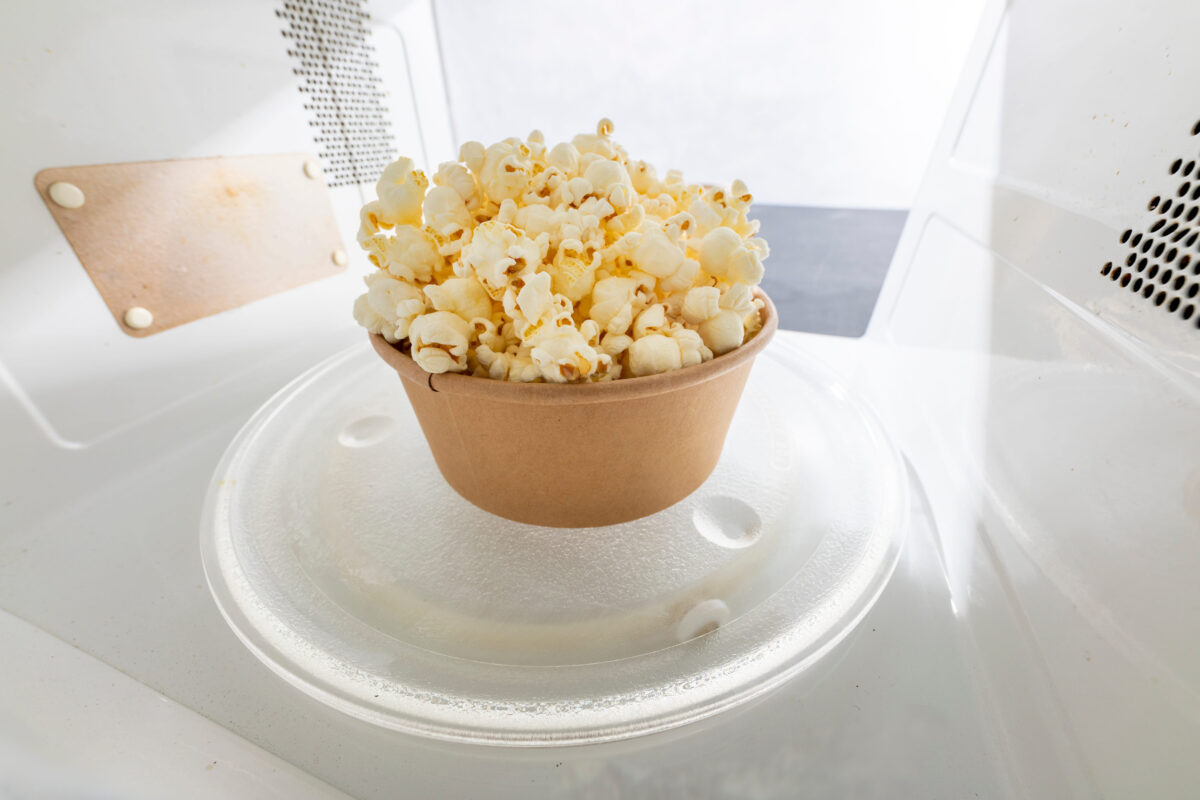
Popcorn feels like a harmless snack to test in an air fryer, but it is one of the worst ideas. Many air fryers do not produce the direct heat that popcorn kernels need to pop evenly. Some kernels may pop, others may stay rock hard, and the loose pieces can jump around inside the basket.
The bigger problem is where those kernels can land. Tiny kernels may get trapped near the heating element, where they can burn and create a fire risk. A microwave, stovetop pot, or popcorn maker is safer, cleaner, and far more reliable.
Wet Battered Foods Become a Dripping Mess
Wet-battered foods sound like they belong in an air fryer, but they usually don’t. Beer-battered fish, tempura shrimp, and homemade battered onion rings need hot oil to set the coating almost instantly. In an air fryer, the batter often slides off before it crisps, then drips through the basket and burns on the bottom.
A dry coating works much better. Panko, breadcrumbs, crushed crackers, flour, cornstarch, and seasoned crumbs can cling to the food long enough to crisp. Frozen battered foods may survive because the coating has already been partially set, but fresh wet batter belongs in a deep fryer or skillet, not in an air fryer basket.
Saucy Foods Splatter Before They Cook Properly
Saucy foods can make an air fryer look like a crime scene. Chili, curry, stew, saucy meatballs, gravy-heavy leftovers, and pasta swimming in sauce do not behave well under a strong fan. The sauce can splatter, scorch, thicken too fast, and leave sticky burned patches around the drawer.
The air fryer is better for crisping than simmering. Use a saucepan, microwave, slow cooker, or oven when a dish needs liquid to stay tender. After that, the air fryer can still help with small finishing touches, such as crisping cooked meatballs or browning the top of a small pasta bake.
Raw Rice Will Not Cook as It Does in a Pot
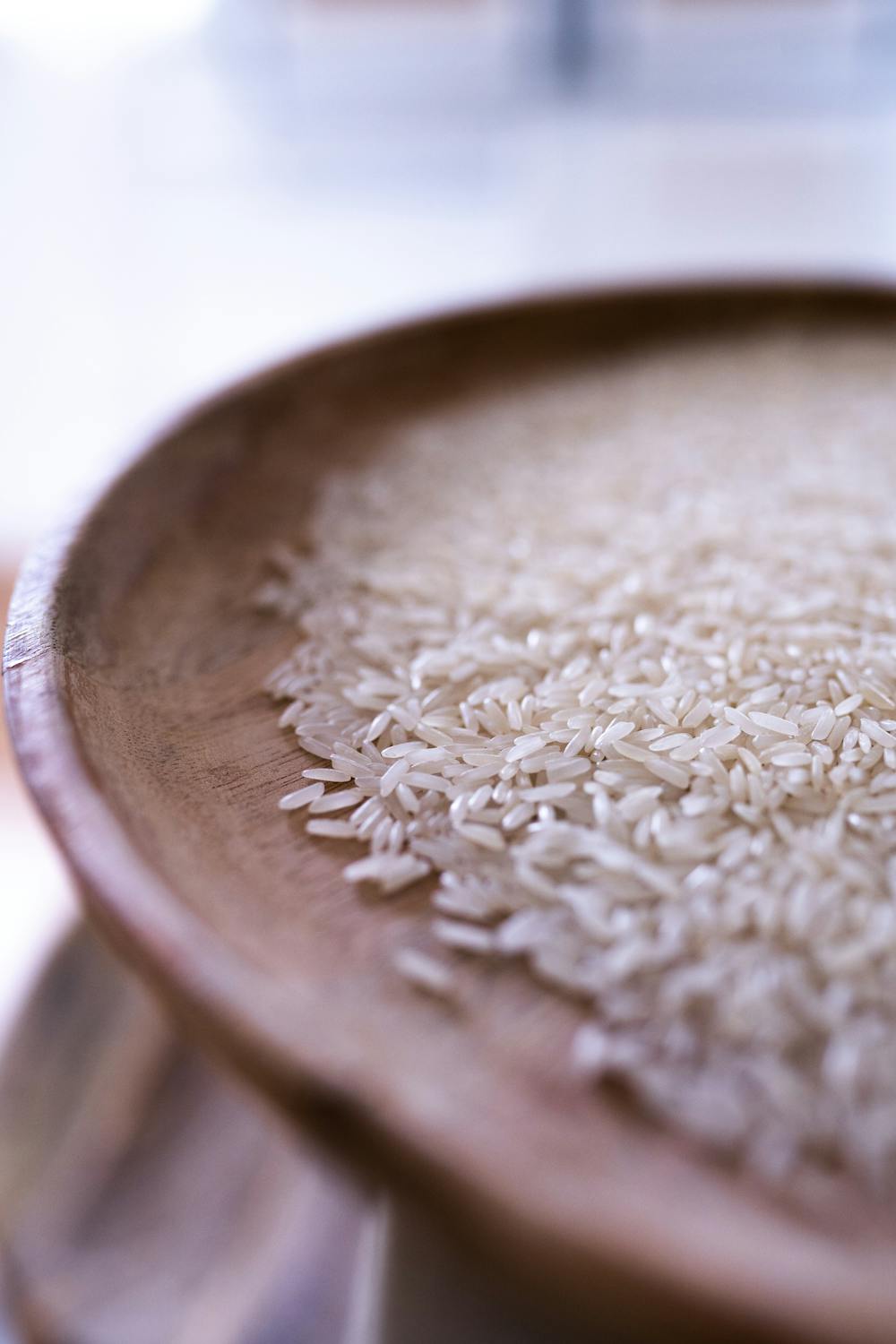
Raw rice needs water, steam, and steady heat. An air fryer gives it dry air, which is completely wrong for the job. The outside may toast or dry out, but the grain will not hydrate properly from the inside.
Cooked rice can also be tricky if it is reheated carelessly. It should be stored safely, cooled quickly, and reheated until hot throughout. The air fryer can crisp rice cakes or firm rice patties, but it should not be used as a shortcut for cooking raw rice.
Pasta Turns Dry, Hard, or Uneven
Raw pasta needs boiling water just like rice does. An air fryer cannot magically soften dry noodles because pasta needs moisture to expand and cook evenly. Tossing uncooked pasta into the basket will usually leave you with dry, brittle pieces instead of dinner.
Cooked pasta can work only in specific cases. A small baked pasta dish with enough sauce and a heat-safe dish may brown nicely on top, but plain noodles will dry out fast. If the goal is tender pasta, use a pot first and let the air fryer handle only the crispy finish.
Loose Leafy Greens Can Fly Around and Burn
Spinach, kale, parsley, cilantro, and other lightweight greens are not built for the air fryer’s fan. They can lift, blow around, stick to the top of the basket, or burn before they soften. What should taste fresh and earthy can become bitter, dusty, and overcooked.
Sturdier vegetables are a better match. Brussels sprouts, cauliflower, carrots, potatoes, green beans, and zucchini can handle the heat when they are cut evenly and lightly coated with oil. Leafy greens are usually better when cooked in a skillet, steamed, used in soup, or served in a salad bowl.
Plain Cheese Melts Into the Basket
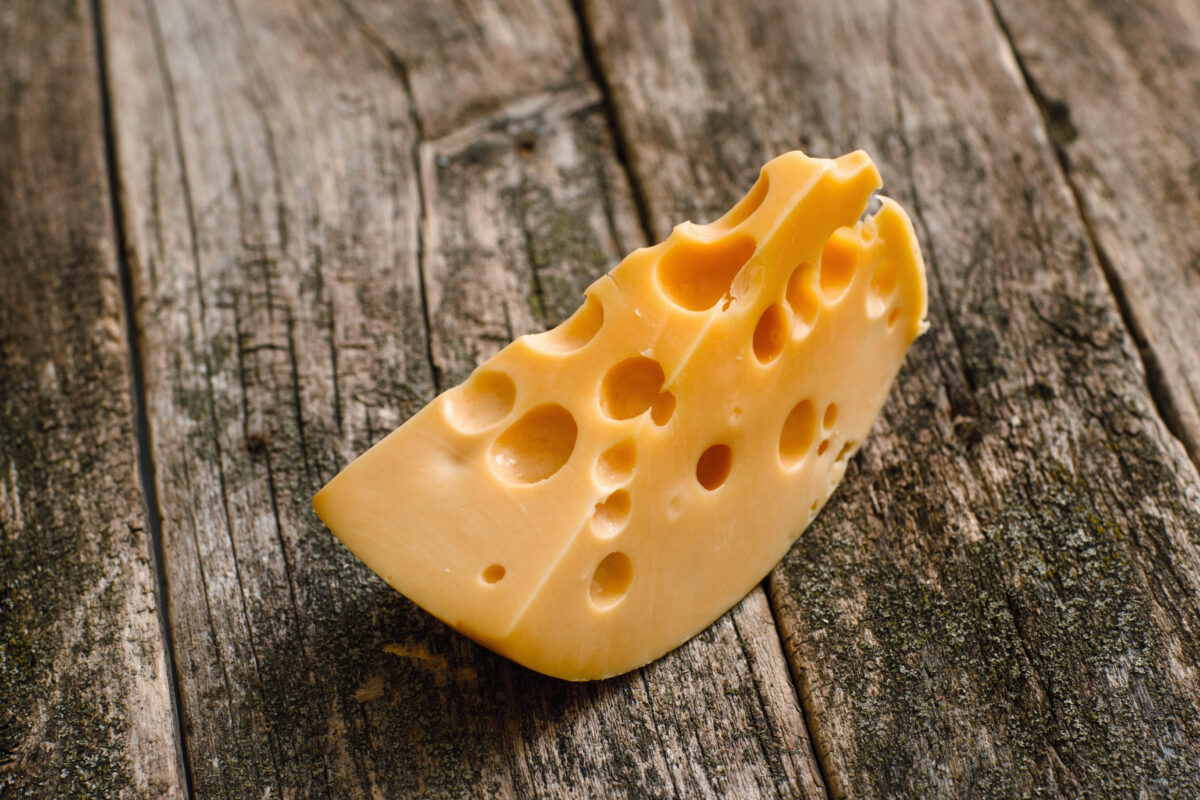
Cheese is delicious in an air fryer when it is protected by bread, dough, or a coating. Plain cheese is another story. A slice of cheddar, a chunk of mozzarella, or loose shredded cheese can melt through the basket before it has any chance to crisp.
That creates a sticky mess and can lead to smoking if the cheese burns. Breaded mozzarella sticks, grilled cheese sandwiches, stuffed peppers, and quesadillas work because the cheese stays contained. Bare cheese should stay out of the basket unless you enjoy scraping melted regret off metal.
Oversized Roasts Can Fool the Eye
Large roasts create the same problem as whole chickens. The outside can look gorgeous long before the middle is ready. That is especially risky because air fryers brown food quickly, which can trick people into thinking the job is done.
The best air fryer meats are smaller, evenly cut, and not jammed into the basket. Pork chops, steak bites, lamb chops, salmon fillets, and small cuts of chicken can work beautifully. Big roasts need the space and steady heat of an oven.
Delicate Fish Can Dry Out Fast
Fish can be excellent in an air fryer, but thin, delicate fillets can go from tender to tired in minutes. Sole, flounder, tilapia, and very thin cod fillets may break apart or dry out if they are not protected. The fan can make the surface firm before the inside has the soft texture people expect from good fish.
Thicker fillets work better. Salmon, trout, and sturdy white fish can handle air frying with a little oil, seasoning, and careful timing. For delicate fish, parchment, a light coating, or a gentler cooking method may save the meal.
Whole Chickens Can Cook Unevenly
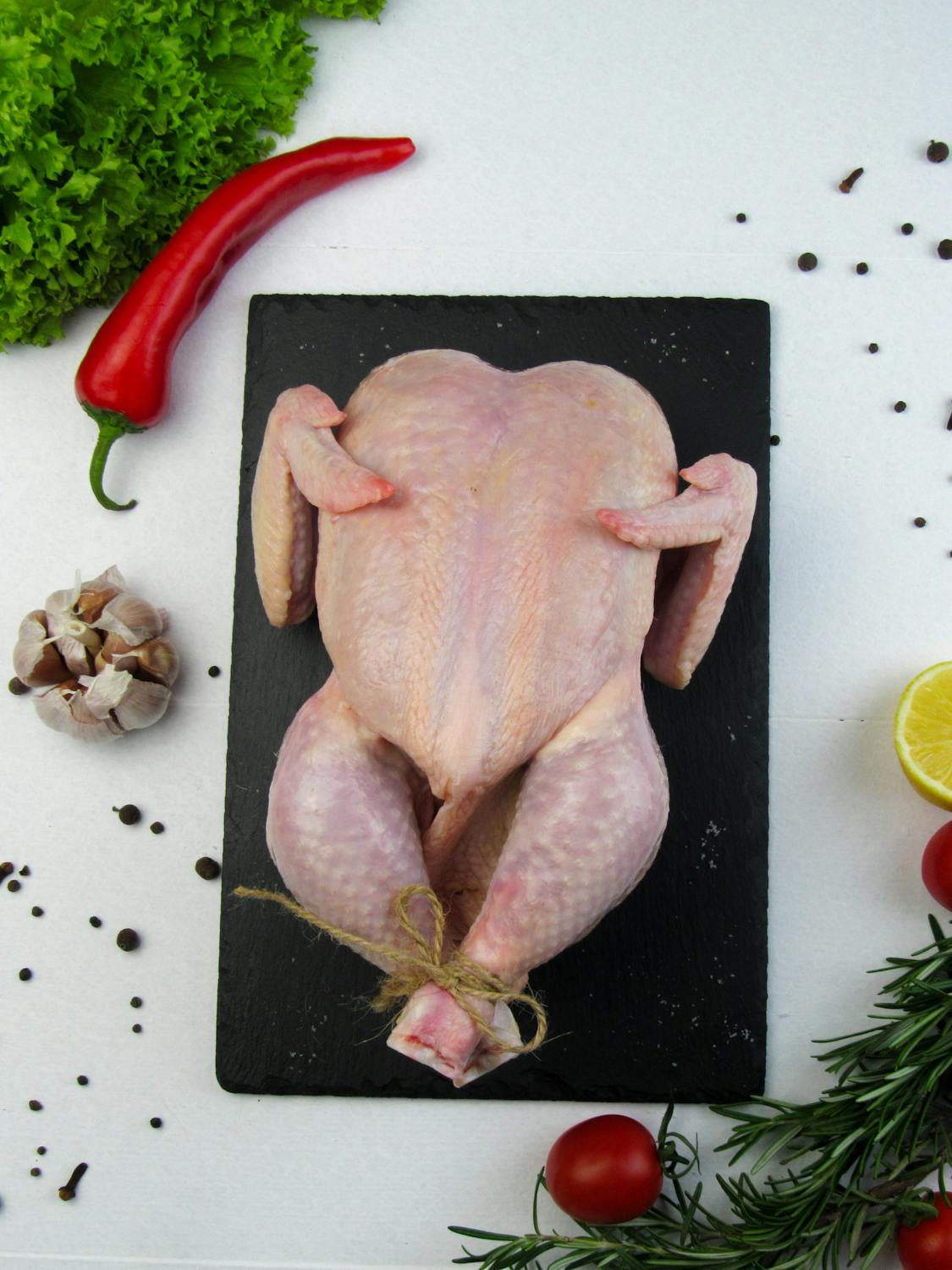
A whole chicken may physically fit inside some air fryers, but that does not mean it belongs there. Air fryers need space around food so hot air can move evenly. A large chicken can block airflow, causing the outside to brown while the thickest parts lag behind.
Smaller cuts are safer and easier to control. Chicken thighs, wings, drumsticks, tenders, and small fillets usually cook better because the heat reaches more surface area. If you do cook a larger piece of meat, a food thermometer is not optional, because browned skin does not indicate that the center is safe.
Conclusion
The air fryer is not the problem. The mistake is treating it like a pot, oven, skillet, steamer, toaster, microwave, and deep fryer all rolled into one. It is brilliant at crisping food with dry heat, but it struggles when food needs moisture, sauce, room to move, or deep, internal cooking.
The safest rule is simple: if the food is wet, loose, huge, liquid-heavy, or needs boiling, keep it out of the air fryer. If it has structure, a dry surface, and room for hot air to move, the air fryer can do what it does best. That is how we get crispy food without smoke, splatter, or a disappointing dinner.