Iran War Pushes Oil Prices Higher as Americans Continue Paying More at the Pump
Americans are once again feeling the squeeze at the gas pump as the conflict in Iran sends oil prices higher, raising fears that fuel costs could climb even further in the weeks ahead. While demand is weakening in much of the world, U.S. drivers are still buying gasoline, leaving many households paying more despite growing economic uncertainty. A new energy report reveals a surprising shift in the global oil market. While many countries have reduced consumption amid rising prices and geopolitical uncertainty, the United States has continued to increase its oil use, underscoring the strength and resilience of the world’s largest economy.
The trend comes as the conflict involving Iran disrupts global energy expectations, sending fuel prices higher and raising concerns about whether consumers will begin cutting back. Instead, U.S. drivers have largely stayed on the road.
U.S. Oil Demand Rises Despite Higher Gas Prices
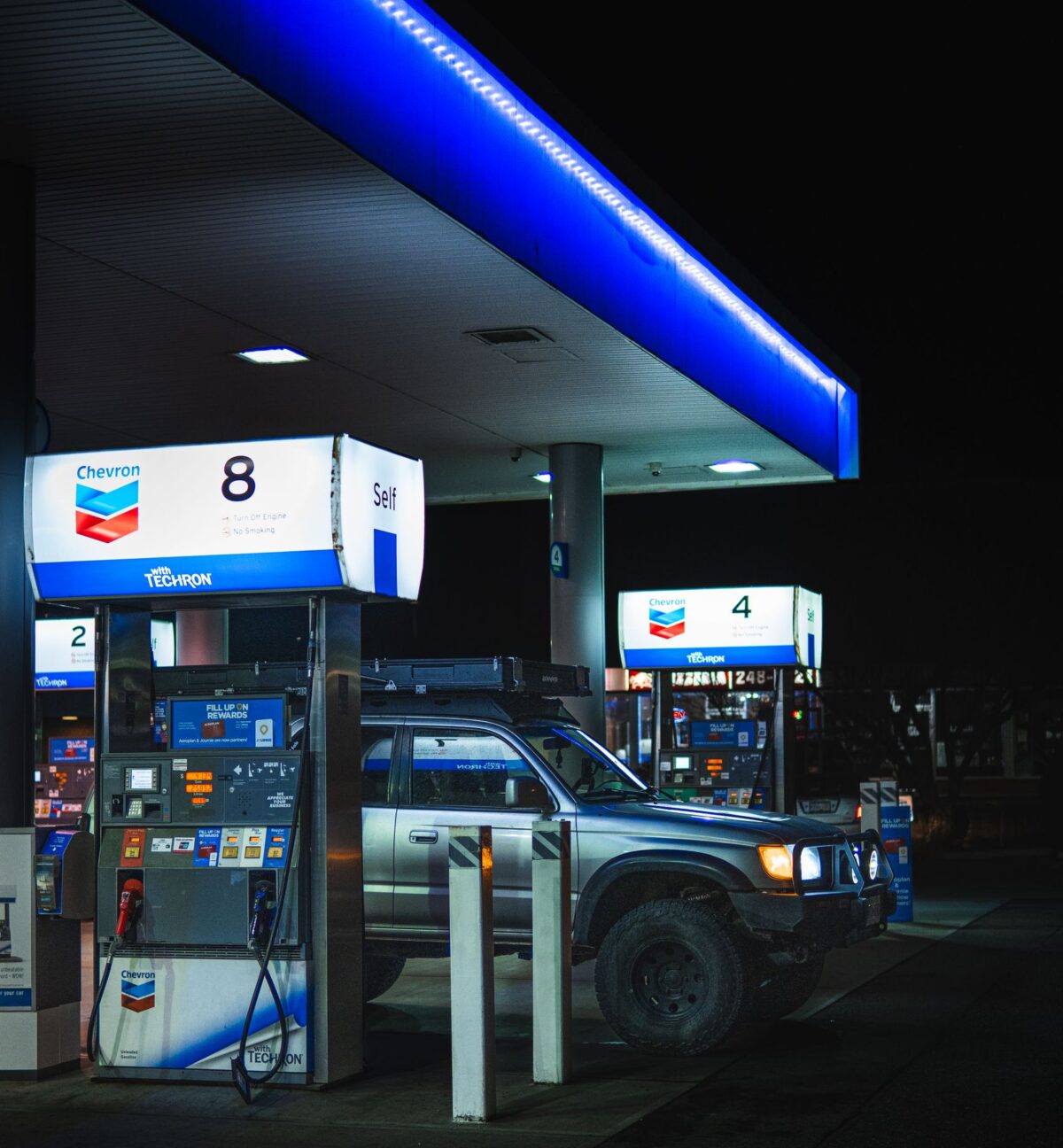
According to the International Energy Agency (IEA), global oil demand is expected to decline in 2026 for the first time since the COVID-19 pandemic, with the conflict in Iran contributing to weaker consumption worldwide. Global oil production has also fallen by approximately one million barrels per day, adding pressure to already uncertain markets. However, the United States has moved against the broader trend.
American oil consumption increased during the second quarter of 2026 despite gasoline prices rising sharply. The increase highlights how difficult it can be for consumers to quickly reduce fuel use, especially in a country where millions of people rely on vehicles for commuting, business, and daily activities. Higher fuel costs have created financial pressure for households, but they have not yet produced the dramatic drop in driving activity that some analysts expected.
Why Americans Are Still Driving Despite Expensive Gas
Fuel prices are highly visible to consumers. A jump at the gas pump often becomes a political issue because drivers immediately notice the impact. However, experts say the effect of rising gasoline prices is not the same for every household. Daniel Sternoff, a senior fellow at Columbia University’s Center on Global Energy Policy, explained that wealthier Americans may complain about higher prices but are less likely to significantly change their driving habits.
For many higher-income households, a fuel increase represents an inconvenience rather than a major lifestyle change. Meanwhile, millions of Americans still need gasoline regardless of price changes. Workers continue commuting, businesses continue transporting goods, and families continue traveling. Unlike some consumer products that people can easily avoid purchasing, fuel remains essential for much of the U.S. economy.
Iran Conflict Creates New Pressure on Global Oil Markets
The rise in oil prices comes as tensions surrounding Iran continue to affect energy markets. Iran plays a major role in global energy security because of its location near the Strait of Hormuz, one of the most important shipping routes for crude oil and natural gas. Any threat to transportation through the region can immediately influence market expectations. Traders often react before actual supply shortages occur because they price in the possibility of future disruptions.
The uncertainty surrounding the conflict has contributed to concerns about global supply stability. For countries heavily dependent on imported energy, higher oil prices can quickly increase transportation costs, raise inflation concerns, and put pressure on consumers. The United States, however, has a different position because it remains one of the world’s largest oil producers.
America’s Energy Position Shields Consumers From Global Shocks
The United States has transformed its energy landscape over the past decade. The growth of domestic oil production, particularly through shale drilling, has reduced America’s dependence on foreign energy sources compared with previous decades. That domestic production capacity provides some protection when international conflicts disrupt supply.
However, American consumers are not completely isolated from global markets. Oil prices are determined internationally, meaning disruptions in major producing regions can still influence gasoline prices across the United States. Even with strong domestic production, American drivers feel the effects of global energy instability. The difference is that the country has more tools to respond than nations that rely heavily on imported oil.
Global Oil Demand Faces New Challenges in 2026
The decline in worldwide oil demand reflects several major changes affecting energy consumption. Economic uncertainty, improved vehicle efficiency, electric vehicle adoption, and changing industrial patterns are reshaping how countries use petroleum products. The Iran conflict has added another challenge by creating uncertainty around supply and prices.
Some countries are responding to higher costs by reducing consumption, switching energy sources, or delaying fuel-intensive activities. The United States has been slower to adjust because of its transportation system and consumer habits. A large portion of American life is built around personal vehicles, long-distance commuting, and freight transportation. Even when prices rise, immediate alternatives are often limited.
Higher Gas Prices Could Still Change Consumer Behavior
Although Americans have continued buying fuel, analysts warn that sustained price increases could eventually affect demand. Consumers may respond over time by driving fewer miles, choosing more fuel-efficient vehicles, using public transportation, or reducing unnecessary trips. Businesses may also adjust operations if transportation costs remain elevated.
Historically, consumers often react gradually to higher fuel prices. A sudden increase may not immediately change behavior, but prolonged pressure can influence decisions over months or years. The impact is also uneven. Lower-income households generally feel fuel increases more sharply because gasoline represents a larger share of their monthly expenses.
What Rising U.S. Oil Demand Means for the Economy
The continued increase in U.S. oil demand shows the complicated relationship between energy prices and economic activity. Higher fuel costs can hurt consumers, but strong demand may also reflect ongoing economic activity. Businesses are still operating, workers are still commuting, and transportation networks remain active. Energy markets are closely connected to inflation, consumer confidence, and economic growth.
A sudden reduction in oil demand could signal economic weakness, while continued demand may indicate that businesses and households are absorbing higher costs. The challenge for policymakers is balancing energy security, affordability, and long-term changes in the global energy system.
Oil Market Faces Uncertain Road Ahead
The latest data highlights a major divide in the global oil market. While much of the world is reducing oil consumption, the United States is moving in the opposite direction. The Iran conflict has pushed prices higher and increased uncertainty, but American consumers have continued to drive and buy fuel.
Whether that trend continues will depend on several factors, including the length of the conflict, future oil prices, economic conditions, and consumer confidence. For now, one message from the energy market is clear: rising prices have not been enough to slow America’s demand for oil. As global markets navigate geopolitical risks and changing energy habits, the United States remains a powerful force shaping the future of oil consumption.