America’s Biggest Labor Threat Is Not AI: It Is the Baby Boomer Retirement Wave
For years, the biggest fear surrounding the future of work has been that artificial intelligence will replace human employees. Headlines have warned about automation eliminating careers, companies reducing staff, and machines performing tasks once handled by people. However, America’s biggest labor threat is not AI. It is the Baby Boomer retirement wave that is quietly reshaping the nation’s workforce.
The United States is entering a period in which the challenge may not be a lack of jobs but a lack of workers available to fill them. As millions of Baby Boomers leave the labor market, businesses, healthcare systems, and communities are facing a demographic shift that cannot be solved through technology alone. The coming workforce challenge is rooted in population trends that have developed over decades.
The Baby Boomer generation transformed America’s economy when it entered the workforce after World War II. Now, that same generation is creating a historic transition as it moves into retirement. The effects will reach far beyond employment numbers, influencing healthcare, consumer prices, economic growth, and the future of essential services.
The Workforce America Took for Granted Is Beginning to Disappear
For much of modern American history, economic growth benefited from a steadily expanding labor force. More workers meant more production, more businesses, more consumers, and greater economic flexibility during periods of uncertainty. This demographic advantage helped the United States adapt through recessions, technological changes, and global competition.
That advantage is now weakening. The retirement of Baby Boomers, combined with decades of declining birth rates, means fewer younger workers are available to replace those leaving employment. According to labor market projections, the growth of the American workforce is expected to slow significantly over the coming decade as the population continues to age.
The Baby Boomer retirement wave represents one of the largest workforce transitions in American history. More than 70 million people were born between 1946 and 1964, creating a generation that influenced housing, education, consumer markets, and employment patterns for decades. Their departure from the workforce is not temporary. It is a long-term demographic transformation.
The difference between this labor shift and previous economic disruptions is that demographics cannot quickly change. A recession can end, interest rates can decline, and industries can recover. However, replacing millions of experienced workers will require years of education and training, as well as population growth.
This is why economists increasingly describe the challenge as structural rather than cyclical. The United States is not simply experiencing a short-term hiring problem. It is entering an era where workforce supply and economic demand may remain out of balance.
The impact will likely be uneven across industries. Some sectors will adapt through automation and productivity improvements, while others will struggle because they depend heavily on human skills that technology cannot easily replace.
The Retirement Wave Is Taking Knowledge With It, Not Just Employees
The most overlooked consequence of the Baby Boomer retirement wave is the loss of institutional knowledge. When experienced workers leave, companies lose more than a position on an organizational chart. They lose years of practical knowledge that often cannot be captured in training manuals.
A senior technician may understand problems that only appear after decades of experience. A veteran healthcare worker may recognize warning signs that come from years of patient interaction. A construction professional may know how to handle unexpected challenges that cannot be learned from a textbook.
This knowledge gap creates a difficult challenge for employers. Hiring a replacement does not always mean replacing the expertise of the person who retired. In many industries, developing the same level of judgment requires years of hands-on experience.
Manufacturing companies have already seen this challenge as older, skilled workers retire. Many businesses now focus on mentorship programs, apprenticeship opportunities, and knowledge-transfer systems to prevent critical skills from disappearing.
The same issue exists in public services. Government agencies, transportation systems, utilities, and infrastructure organizations depend on experienced employees who understand complex systems. When several generations of workers retire within a short period, maintaining service quality becomes more difficult.
The Baby Boomer retirement wave is therefore not only a labor shortage issue. It is also a knowledge preservation challenge. The question facing many organizations is not simply who will replace retiring workers, but whether they can replace what those workers know.
The Jobs Most Needed Are Often the Jobs AI Cannot Replace

Artificial intelligence has changed the conversation about employment, but it may not address America’s most urgent workforce needs. AI can improve productivity, analyze information, automate repetitive tasks, and support decision-making. Yet many occupations facing the strongest demand require physical presence, human judgment, and personal interaction.
Healthcare is one of the clearest examples. As the American population ages, demand for doctors, nurses, caregivers, and support workers continues to rise. The same demographic trend, increasing demand for healthcare, is also reducing the number of available workers who can provide those services.
A computer system can help organize medical records or assist with research. However, it cannot replace the relationship between a nurse and patient or provide hands-on care to an elderly person who needs assistance with daily activities.
The healthcare challenge is especially serious in rural communities. Many smaller towns already experience shortages of medical professionals, creating longer travel distances and fewer available services for residents. The Baby Boomer retirement wave could increase pressure on communities that already struggle to attract healthcare workers.
Skilled trades face a similar challenge. Electricians, mechanics, construction workers, and maintenance professionals remain essential to everyday life. Artificial intelligence may improve planning and efficiency, but it cannot physically repair infrastructure, build homes, or maintain critical systems without human involvement.
This creates a major contradiction in the future of work. The occupations most exposed to AI are not always the occupations with the greatest shortages. America may have fewer workers available for the jobs that society depends on most.
An Aging Population Could Create a Care Crisis at the Worst Possible Time
The Baby Boomer retirement wave creates a unique economic challenge because retirement itself increases demand for certain services. As millions of Americans grow older, the need for healthcare, home assistance, transportation, and long-term care will continue to expand.
This creates a difficult imbalance. The country needs more caregivers at the same time that the available workforce is becoming smaller. People leaving employment are increasing demand in sectors already struggling to recruit workers.
Families may increasingly feel the effects. Many Americans already balance employment with caring for aging parents or relatives. A shortage of professional caregivers could place additional responsibilities on family members who are already managing careers and personal commitments.
The care economy represents one of the clearest examples of why AI cannot solve every labor challenge. Technology can assist caregivers, improve scheduling, and support medical monitoring. But caregiving remains deeply human work built on trust, compassion, and direct interaction.
The pressure on healthcare and caregiving systems also has financial consequences. When workers become harder to find, organizations may face higher labor costs. Those costs can eventually affect patients, families, and communities.
The aging population is not simply changing who works. It is changing what the economy needs workers to do.
Small Communities Could Face the First Signs of a Labor Breakdown
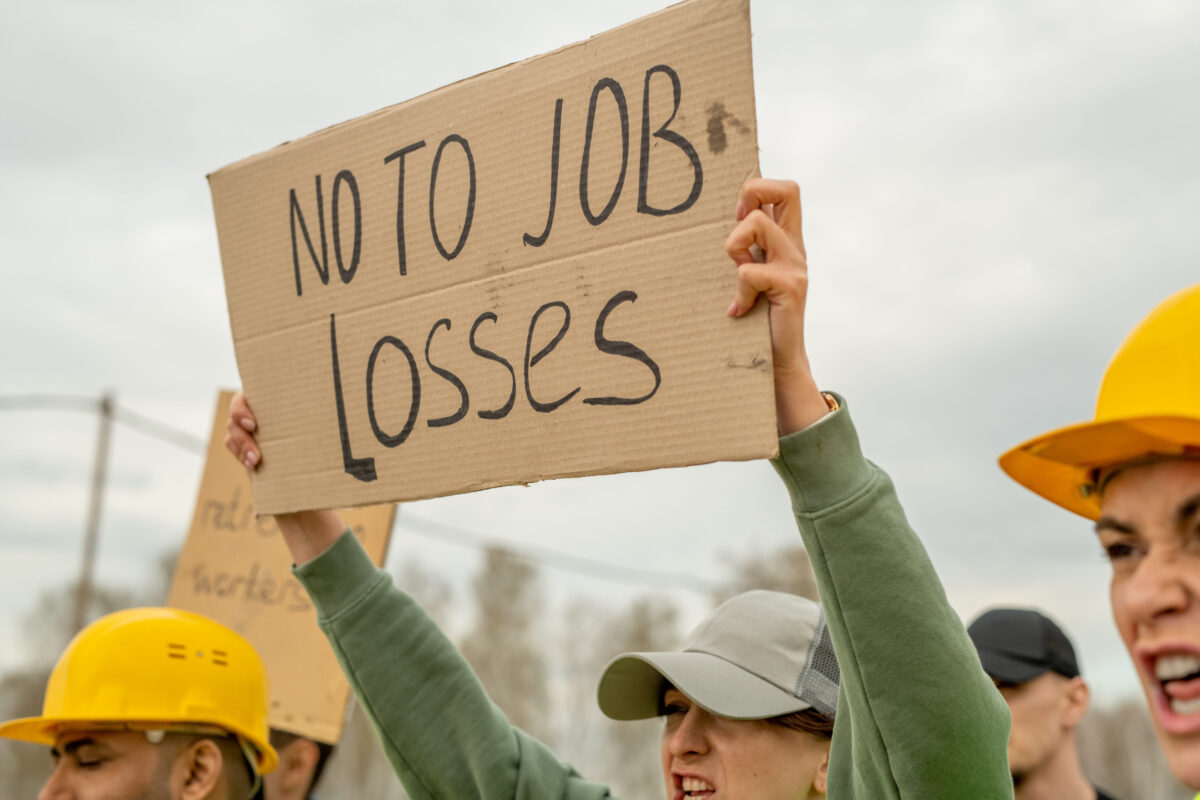
Although the Baby Boomer retirement wave will affect the entire country, smaller communities may experience the greatest disruption. Rural areas often have fewer workers, fewer training institutions, and fewer resources to attract new employees.
A hospital in a small town cannot easily replace retiring doctors or nurses. A local manufacturer cannot always compete with larger corporations offering higher salaries. A community losing skilled workers may struggle to maintain services that residents rely on every day.
This pattern has already appeared in some regions where population decline has reduced the availability of essential workers. Schools, healthcare facilities, and local businesses have had to rethink how they recruit and retain employees.
The challenge is not only economic. It can also affect community identity. When a town loses healthcare providers, skilled tradespeople, and business owners, it risks losing the networks that support local life.
Historically, American communities have adapted to demographic change through migration, innovation, and investment. However, the scale of the Baby Boomer retirement wave creates a new test because the transition affects nearly every region simultaneously.
The future may depend on whether communities can create conditions that attract workers rather than simply compete for the limited workforce already available.
A Smaller Workforce Could Change the Cost of Everyday Life
Labor shortages do not remain inside businesses. They eventually affect consumers. When employers struggle to find qualified workers, they often increase wages, improve benefits, or spend more on recruitment and training.
Those adjustments can influence the cost of goods and services. Construction projects may become more expensive when skilled workers are limited. Healthcare costs may rise when providers face staffing shortages. Repairs and maintenance may take longer when technicians are unavailable.
The Baby Boomer retirement wave could therefore influence everyday experiences in ways many Americans do not immediately recognize. The issue is not only employment statistics. It is how quickly people can access services and how much those services cost.
Housing provides another example. Building homes requires large numbers of skilled workers, including contractors, electricians, plumbers, and construction specialists. A shortage of these workers could slow housing development and increase costs in areas already facing affordability problems.
The same pattern can appear across transportation, manufacturing, and public infrastructure. A smaller workforce means businesses and governments must find ways to produce more with fewer people.
This pressure may accelerate investment in automation, but it also highlights the limits of technology. Machines can improve efficiency, but they cannot eliminate every need for human labor.
The Future of Work Will Depend on Combining Human Skills With Technology
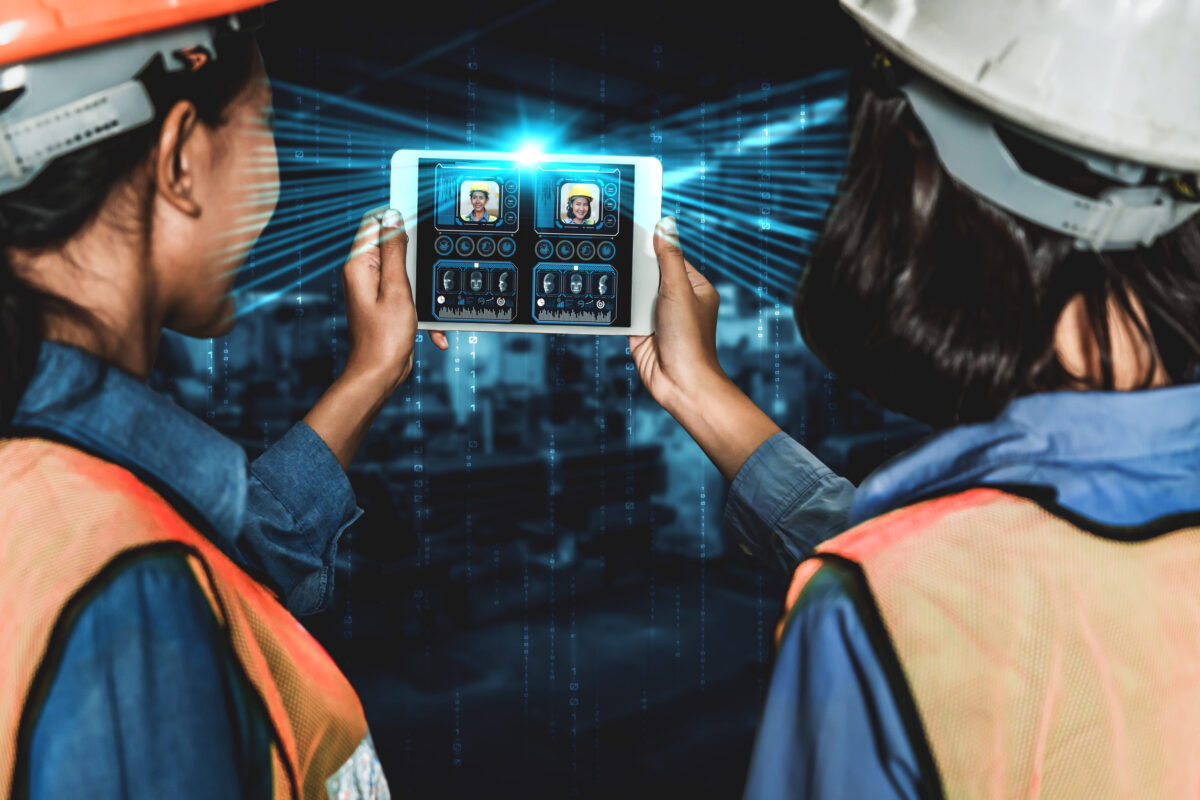
Artificial intelligence will continue transforming the workplace. Some tasks will become automated, some jobs will change, and new industries will emerge. However, the Baby Boomer retirement wave shows that technology alone cannot solve every economic challenge.
The most successful organizations will likely be those that use AI to support workers rather than simply replace them. A doctor using AI tools can spend more time with patients. A technician using predictive technology can identify problems faster. A manufacturer using automation can increase output while maintaining skilled employees.
The workforce of the future will require a different approach to training and employment. Businesses will need stronger apprenticeship programs, better career pathways, and more investment in developing workers before shortages become severe.
Education systems will also play a critical role. Preparing younger generations for healthcare, engineering, skilled trades, and technology careers will determine whether America can maintain its economic strength.
Immigration will remain another important factor. With slower population growth and an aging workforce, attracting skilled workers from around the world may become increasingly significant for industries facing shortages.
The Baby Boomer retirement wave is not a problem that can be solved with one policy or one invention. It requires a broad response involving businesses, government, educators, and communities.
America’s biggest labor threat is not that machines will take every job. It is possible that the country may not have enough people ready to do the work that machines cannot do.
The next era of the American economy will not be defined only by artificial intelligence. It will be shaped by how well the nation responds to a simple but powerful reality: the workers who built modern America are leaving, and replacing their skills, experience, and human contribution will be one of the greatest economic challenges of the coming decades.