9 Grocery Store Bakery Items Ranked From Worst to Best
The grocery store bakery can be dangerously tempting. You walk in for bread and somehow leave with a box of doughnuts, a pie, and a dozen cookies you definitely didn’t plan to buy.
But not every bakery item is equally useful once you get it home. This ranking looks at nine common grocery bakery favorites based on freshness, texture, storage flexibility, versatility, and how practical they are after the first serving.
It is an editorial ranking, not a blind taste test, so a particularly good bakery or a just-baked batch could easily shake things up. With that in mind, here is how these grocery bakery staples stack up from least practical to most useful.
Glazed Yeast Doughnut
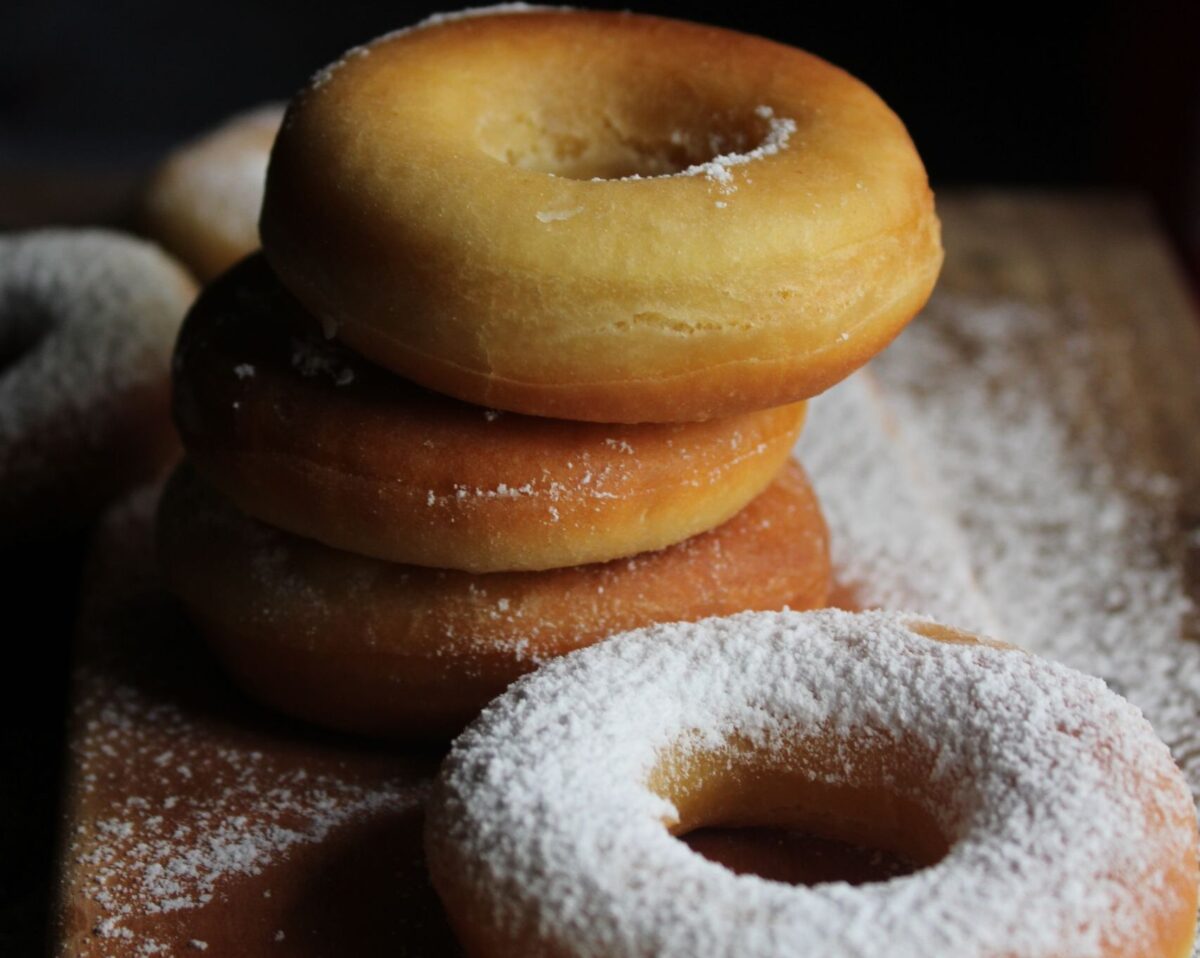
Fresh glazed doughnuts are hard to argue with when they are soft, airy, and still close to the fryer. That peak experience is also what pushes them to the bottom of this particular ranking.
Yeast doughnuts are generally at their best the day they are made. Their appeal comes from that fluffy interior, fried exterior, and fresh glaze, and they have a fairly narrow role after purchase.
They are great for breakfast, coffee breaks, or sharing with coworkers, but they do not offer much flexibility beyond that. If you want something that will stay useful across multiple meals, other bakery items have the advantage.
Related: 7 Items You Should Never Buy at the Grocery Store
Plain Croissants
Croissants move slightly higher because they can play both sweet and savory roles. A plain croissant works with jam at breakfast, as part of brunch, or sliced for a sandwich. That versatility gives it an edge over a doughnut.
The downside is freshness. Croissants rely heavily on their layered structure, crisp exterior, tender center, and buttery character. Those qualities are especially impressive when the pastry is fresh, but they are harder to preserve for long.
A great same-day croissant could easily rank much higher on pure enjoyment. For everyday usefulness, however, its delicate texture holds it back.
Decorated Sheet Cake
When you need dessert for a crowd, sheet cake knows its job. It is easy to portion, customizable, and ideal for birthdays, office parties, family gatherings, and celebrations. Grocery bakeries such as Publix and Kroger offer customized or decorated cakes for precisely those occasions.
Its weakness is versatility. Nobody buys a decorated sheet cake because they need something flexible for breakfast, lunch, and dinner. Storage can also depend on the frosting and filling.
Once you slice the cake, the cut surfaces need protection from drying out. Fantastic for celebrations? Absolutely. Everyday bakery workhorse? Not quite.
Apple Pie
Apple pie earns points because it gets a second life after the first serving. You can serve it cooled, warm individual slices later, or bring it to the table as the dessert centerpiece. That warming flexibility gives it more staying power than some pastries.
The challenge is that two things have to work well at once: the crust and the filling. A good pie needs pastry with the right texture and a filling that holds together without getting too runny or too stiff.
It is also slightly less convenient to portion than the items higher on this list. Still, for dessert and hosting, pie remains one of the bakery department’s most adaptable classics.
Blueberry Muffins
Muffins hit a sweet spot between convenience and flexibility. They are already individually portioned, easy to grab for breakfast or a snack, and simple to put on a brunch platter. Plain muffins can also be wrapped or frozen for later, which gives them an advantage over pastries that depend heavily on same-day freshness.
Blueberry muffins can vary considerably by recipe. Some use butter, while grocery formulations may use oil and other ingredients to achieve a particular texture.
They are practical, easy to serve, and generally uncomplicated. Their only real limitation in this ranking is that they do not have as many second-use possibilities as the top four.
Plain Chocolate Brownies
Brownies are wonderfully low-maintenance. You can divide a pan into large dessert portions, smaller snack squares, or bite-size pieces for a party platter. Plain brownies also wrap and freeze well, making them useful when you do not plan to finish the whole package immediately.
Texture preferences vary, of course. Some people want fudgy centers, while others prefer a more cake-like brownie. Both are legitimate styles.
Their biggest weakness is that they remain firmly in dessert territory. Still, easy portioning and flexible storage make brownies a strong grocery bakery purchase.
Chocolate-Chip Cookies
Cookies are difficult to beat for convenience. They are ready to serve the moment you open the package, already portioned, easy to store, and simple to freeze for later.
Chocolate-chip cookies also leave room for different preferences. One person may want crisp edges and a chewy middle, while someone else may prefer a firmer, crunchier cookie.
You can also repurpose them into ice cream sandwiches or add them to dessert platters with little effort. Cookies rank above brownies because they are even easier to grab, share, store, and portion. Their only real disadvantage is that they are still primarily a snack or dessert.
Soft Dinner Rolls
Now we enter the part of the ranking where bakery items become useful across actual meals. Soft dinner rolls can sit beside dinner, become sliders, hold small sandwiches, or be warmed and served with butter.
Their individual size makes portioning effortless, and airtight storage helps preserve their softness. You can also freeze them for longer storage.
Compared with cookies and brownies, dinner rolls are more adaptable. They work for everyday meals, holiday tables, parties, and leftovers. They narrowly miss the top spot because their small shape limits what you can do compared with a full loaf.
Soft Bakery Sandwich Bread
Sandwich bread takes first place because it is the bakery item most likely to keep earning its spot in your kitchen after purchase. It can become toast at breakfast, sandwiches at lunch, French toast on the weekend, or an easy accompaniment to dinner.
A full loaf also gives you control over portion size and slice thickness in a way dinner rolls cannot. You can wrap bread to help maintain moisture, freeze it in portions, and toast it when you are ready to use it again.
It still stales, of course, and quality depends on the bakery and how the loaf was handled. But under an everyday-use ranking, sandwich bread offers the strongest combination of flexibility, storage, portioning, and second-day usefulness.
What This Ranking Really Comes Down To
This list is not saying a loaf of sandwich bread is more exciting than a warm glazed doughnut or a flaky croissant. The ranking is about what happens after the bakery bag reaches your kitchen.
For immediate enjoyment, doughnuts or croissants might win easily. For a birthday, sheet cake becomes the obvious choice. But when freshness, storage, serving options, and everyday flexibility all count, bread and rolls give you more ways to use what you bought.
Sometimes the best bakery purchase is not the flashiest one in the case. It is the one that keeps working long after the first bite.
Other Posts You May Like
. 6 Grocery Traditions From The ’80s That Don’t Exist Anymore
. 8 Costco and Walmart Shopping Mistakes That Quietly Drain Your Wallet