Your Sunny Kitchen Window Could Be the Prettiest Little Herb Garden in the House
A kitchen herb garden should earn its place beside the coffee maker. It can bring greenery to an otherwise overlooked windowsill and put fresh leaves within reach when dinner needs a finishing touch. But a row of attractive pots is only the beginning. To keep those plants looking good, you need to match the herbs to the light, give their roots proper drainage, and resist watering everything on autopilot.
Start small: three herbs you actually cook with, planted in separate containers, make a more manageable first garden than a crowded collection. Basil, chives and thyme offer contrasting leaf shapes without requiring you to turn the kitchen into a greenhouse. Before buying anything, though, take a closer look at the window. “Sunny” needs to describe the light reaching the plants, not simply how cheerful the room feels at breakfast.
Check the Sunshine Before You Choose the Pots
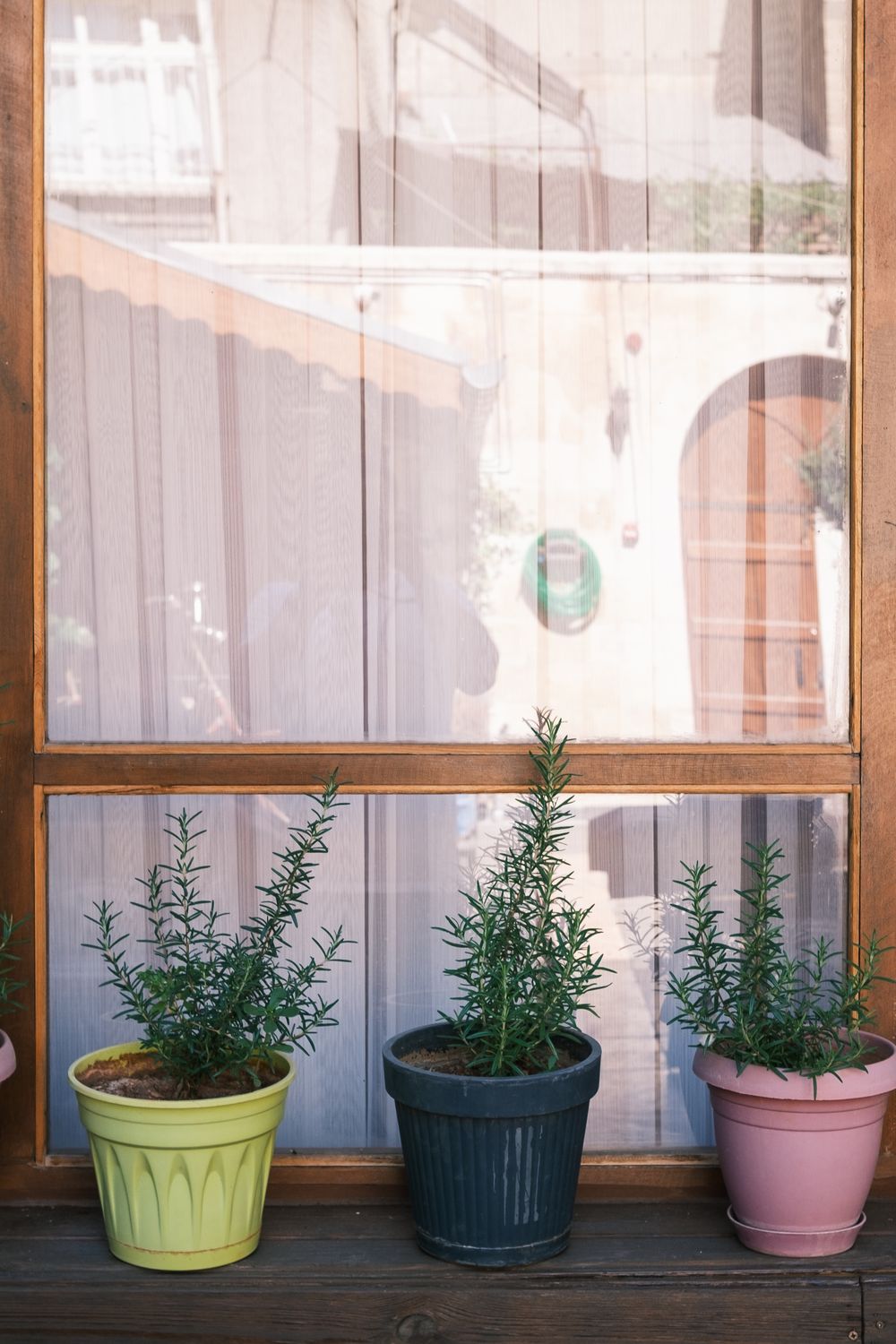
Watch your intended growing spot over a day and note how long direct sunlight reaches it. Most herbs need about six hours of direct sun, according to Penn State Extension. A south-facing window is often a useful starting point in U.S. homes, but nearby buildings, trees, and overhangs can change the picture. Choose the actual growing conditions over compass direction, and remember that available light can change with the season.
“Herbs that are not exposed to their preferred light conditions will become thin and spindly, produce smaller leaves, and have a reduced aroma,” write Elsa Sánchez and Erin Kinley in Penn State Extension’s indoor herb guide. They also recommend rotating windowsill pots frequently for more uniform growth. If your plants begin stretching toward the glass, reconsider the light rather than assuming another drink of water will solve the problem.
Choose herbs with both your cooking habits and the window in mind. Basil makes sense if you regularly use it in meals; chives are another option for a bright indoor spot. Thyme suits strong light and a potting mix that dries slightly between waterings. Keep each plant in its own container so you can adjust its care individually.A coordinated row can look cohesive without forcing every herb to share the same watering schedule.
For a quicker start, buy healthy young plants rather than making seed starting your first windowsill assignment. Check the foliage and stems before bringing them home, and skip plants with visible insects or extensive damage. You can experiment with seeds later if you enjoy the process. There is no gardening prize for choosing the longest route between an empty pot and the first usable harvest.
Make the Containers Pretty, but Keep the Roots Practical
Choose containers with drainage holes and fill them with a suitable, well-draining potting mix.If you love a decorative pot without a hole, use it as an outer cover for a separate nursery pot that drains. Remove the inner pot for watering and let excess water drain before returning it. The decorative container gets to handle appearances; the growing container still needs to handle the unglamorous business of keeping roots out of standing water.
Give each pot a stable position and protect the windowsill with appropriate saucers or a waterproof tray. Arrange plants so their foliage has room rather than squeezing them together for a fuller photograph. Repeating one pot color or material is an easy design choice, while the herbs themselves supply different textures. Keep taller growth from shading smaller neighbors, and leave enough access to inspect the plants and turn their containers.
Use your finger to check the potting mix instead of assigning every herb a daily drink. University of Minnesota Extension advises watering indoor herbs when the soil is dry about half an inch below the surface and warns against soggy conditions. Treat that as a starting check, not permission to ignore differences between plants: basil should not dry out completely, while thyme and rosemary benefit from drying slightly between waterings.
Temperature deserves attention, too, particularly when the weather turns cold. Penn State’s guide notes that basil cannot tolerate temperatures below 50 degrees Fahrenheit, so a chilly windowsill is not its winter retreat. Keep foliage away from cold glass and reassess the spot if nighttime temperatures drop sharply. If the kitchen window cannot provide enough light or warmth, moving the garden and adding suitable supplemental lighting is more useful than insisting it stay in the original location.
Related: People Who Clean the Kitchen Before Going to Bed Often Share These 11 Traits
Harvest Gently and Let the Garden Set the Pace
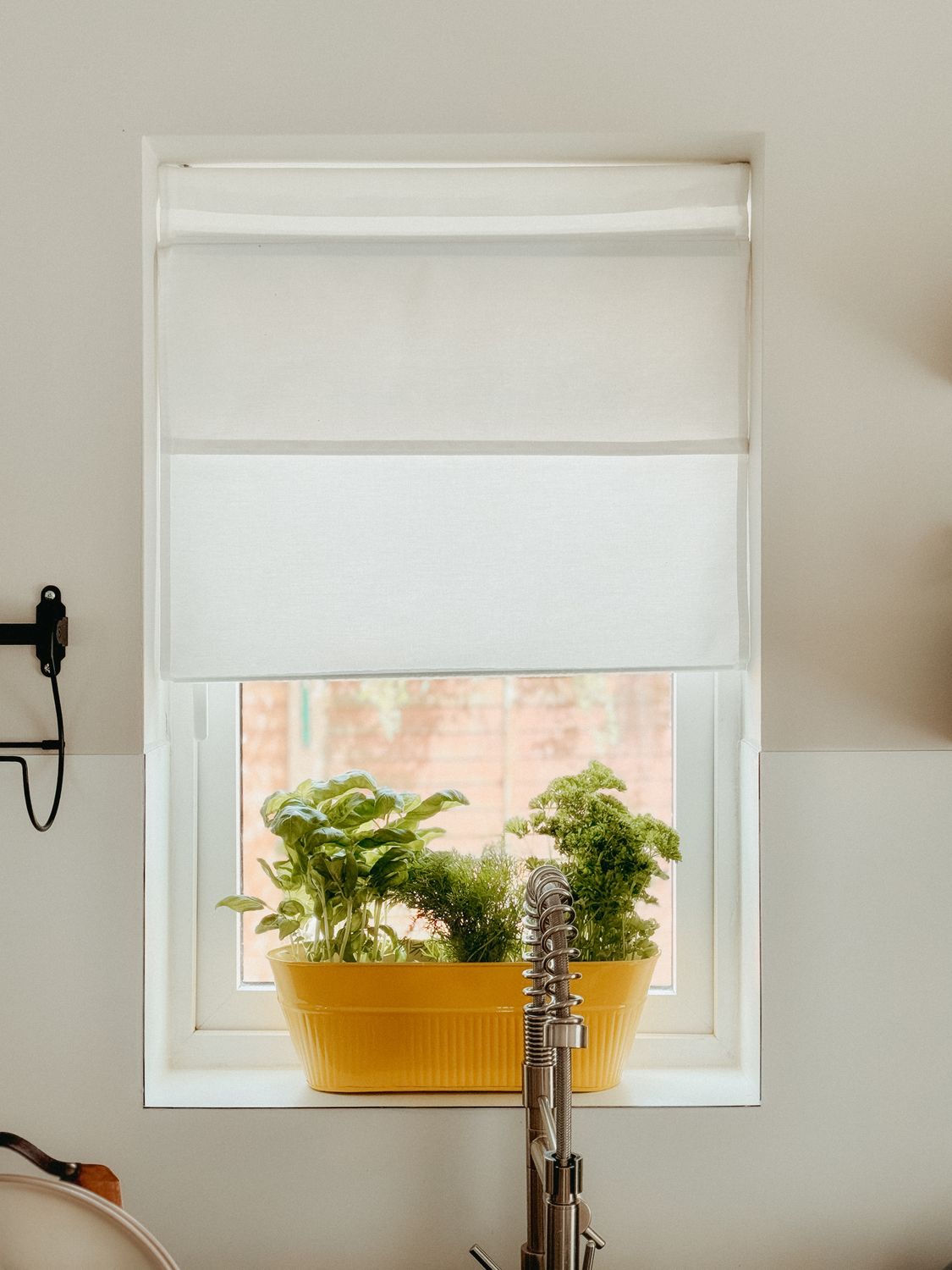
Once plants have established enough growth, harvest modestly and regularly rather than waiting until they look ready for a commercial photo shoot. For basil, pinch or cut stems just above a pair of leaves to encourage branching, and remove developing flower buds if leaf production is your priority. Take only what the plant can spare. A small windowsill collection is better approached as a source of fresh finishing touches than a promise of unlimited pesto.
Adjust your technique to the herb. If you add parsley to the collection, University of Minnesota Extension recommends cutting the outer stalks close to the base, allowing newer growth to continue. Its chive guidance also cautions that indoor growth may slow considerably when winter light is poor. That matters for expectations: a plant producing less in winter may need a lighter harvesting hand, not an increasingly ambitious feeding routine.
Make a brief plant check part of your kitchen routine. Look beneath leaves for pests, remove dead foliage and check whether roots are emerging through drainage holes. Fertilizer can support growth, but more is not automatically better; follow directions for an appropriate product rather than improvising stronger doses. Wash harvested leaves before cooking, and keep watching how each herb responds to its particular patch of sunshine.
The prettiest windowsill garden is one you can maintain, not the one containing the most pots. Start with a few useful herbs, give them room and let their growth guide your next move. Add another plant when you understand the light and watering needs of the first group. Soon enough, the kitchen window can become more than a backdrop: it can be a small, living part of how you cook.