7 Reasons Project Freedom Failed as the Strait of Hormuz Crisis Deepens
The Strait of Hormuz has turned into a pressure cooker for global trade. A narrow stretch of water that usually keeps oil, gas, cargo, and industrial supply chains moving is now carrying something heavier: fear.
Ships are waiting, crews are trapped, insurers are calculating losses, and governments are trying to reopen a route that cannot be rescued by military language alone.
Project Freedom was supposed to offer a way out. Instead, it exposed how fragile commercial confidence has become in one of the world’s most sensitive maritime corridors.
The operation lasted just 48 hours, and only two ships were guided through, leaving shipping companies facing the same brutal question they had before: Is the Strait of Hormuz open in theory, or safe enough in reality?
Project Freedom Failed Because Shipping Companies Did Not Trust the Risk
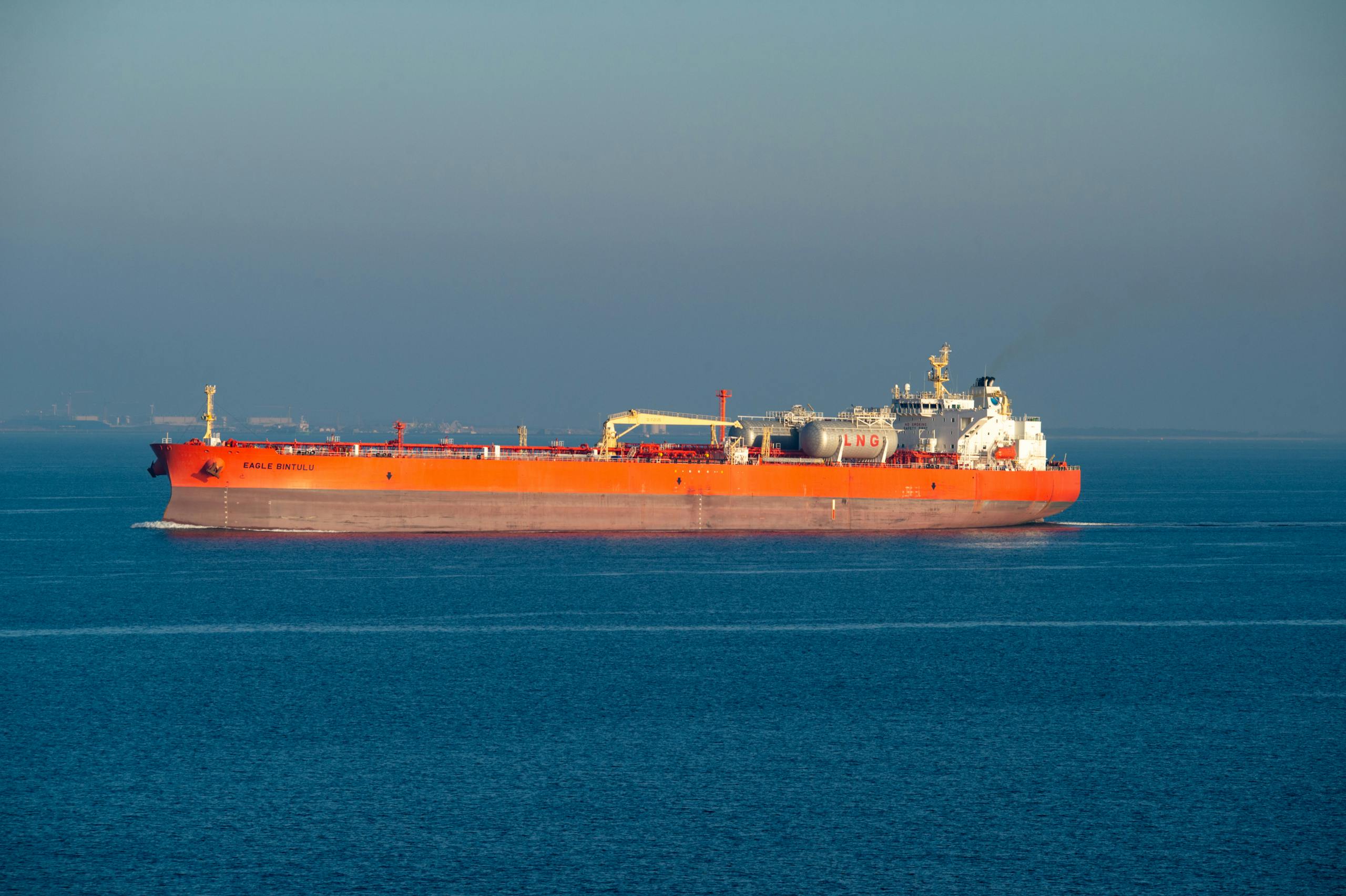
The biggest mistake behind Project Freedom was assuming ships would move simply because the U.S. military offered help. Commercial shipping does not work that way.
A captain does not sail a multimillion-dollar vessel through a missile-risk corridor because a government says the route is available. Shipowners, charterers, insurers, crews, and cargo clients all had to agree that the risk was manageable, and trust was clearly missing.
That is why the operation looked strong on paper but weak in practice. Shipping executives had already spent more than two months searching for safe windows to transit the strait, yet many still refused to risk it, even with a military escort.
Under normal conditions, about 120 vessels pass through the Strait of Hormuz every day, but the crisis has turned routine navigation into a high-stakes commercial gamble.
The Strait of Hormuz Crisis Is Bigger Than a Military Escort
The Strait of Hormuz is not just another shipping lane. It is one of the most important energy corridors on earth, carrying nearly 20 million barrels per day of oil exports in 2025, including nearly 15 million barrels per day of crude oil.
The International Energy Agency says nearly 34% of global crude oil trade passed through the strait in 2025, with China and India receiving a large share of those exports.
That is why the crisis is shaking far more than the ships sitting in Gulf waters. When Hormuz slows, fuel markets listen.
When fuel markets listen, airlines, factories, food producers, trucking companies, and households eventually feel the pressure. A naval escort can guide a ship through dangerous water, but it cannot instantly restore the confidence that keeps global energy trade moving at scale.
Stranded Seafarers Have Become the Human Face of the Crisis
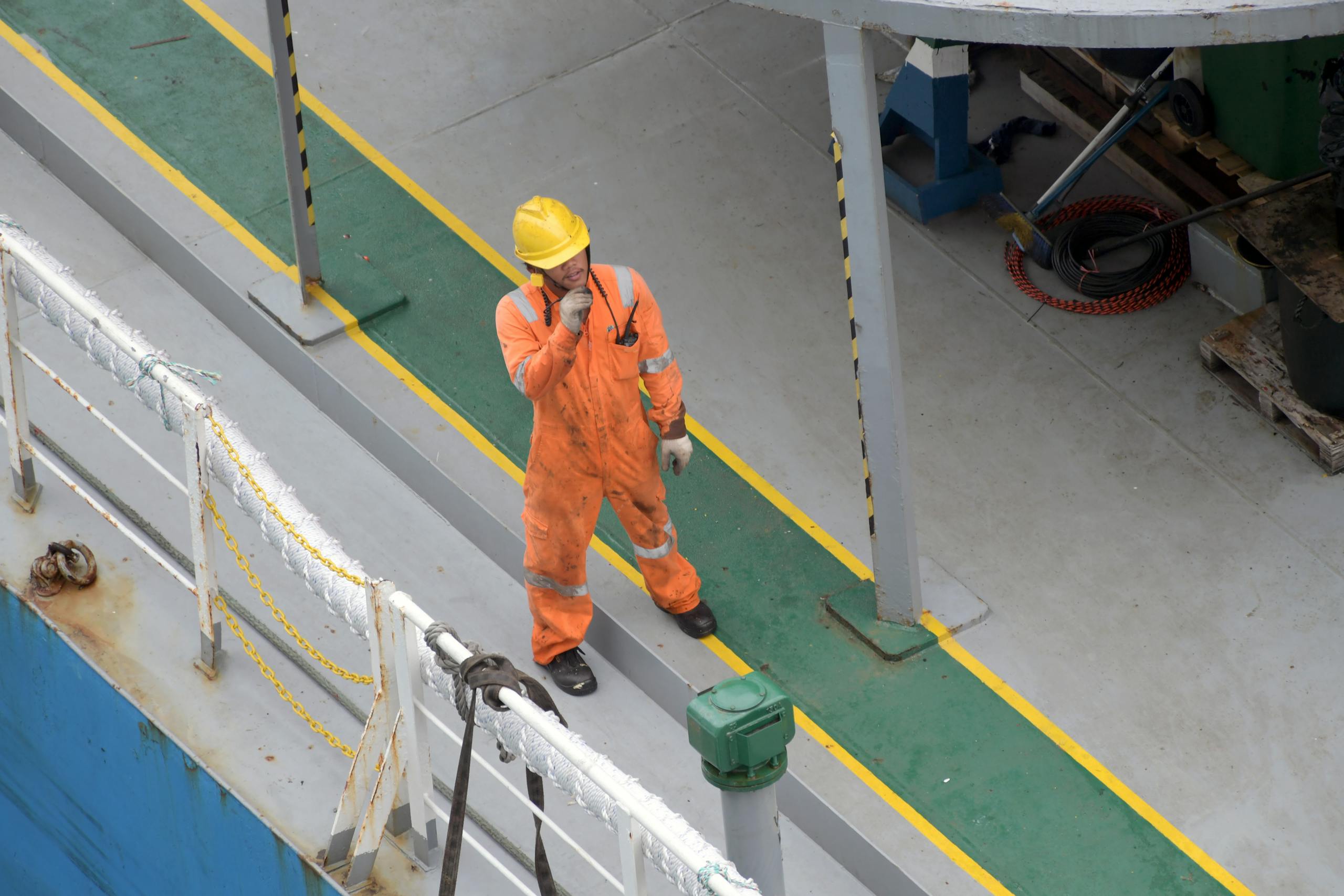
The phrase “1,600 ships stuck” sounds like a logistics headline, but it is really a human story. Behind every vessel are crew members living with uncertainty, limited movement, and the constant fear that a political decision made far away could put them in danger.
These seafarers are not passengers in a crisis. They are workers caught in the middle of a geopolitical standoff.
The situation became more alarming as reports showed attacks on commercial vessels and injuries among crew members.
Thirty-two ships have been hit with missiles since the beginning of the war, causing 10 deaths and at least a dozen injuries, based on figures cited from the International Maritime Organization.
That kind of record changes the mood on every bridge, in every engine room, and across every shipping company risk desk.
Insurance Risk Is Keeping Ships Frozen
The shipping industry runs on insurance as much as it runs on fuel. A vessel can be seaworthy, crewed, loaded, and ready to sail, but if insurers refuse to cover the risk or demand extreme war-risk premiums, the voyage may no longer make commercial sense. That is the quiet force keeping many ships still.
Project Freedom could not solve that problem because a military escort does not rewrite war-risk clauses. If a missile damages a vessel, if cargo is lost, if a crew member is injured, or if a ship becomes trapped again, the legal and financial consequences could be enormous.
For shipowners, the choice is not courage versus fear. It is risk versus ruin. That is why the Strait of Hormuz shipping crisis cannot be solved by escort operations alone.
Iran’s New Shipping Rules Add More Confusion
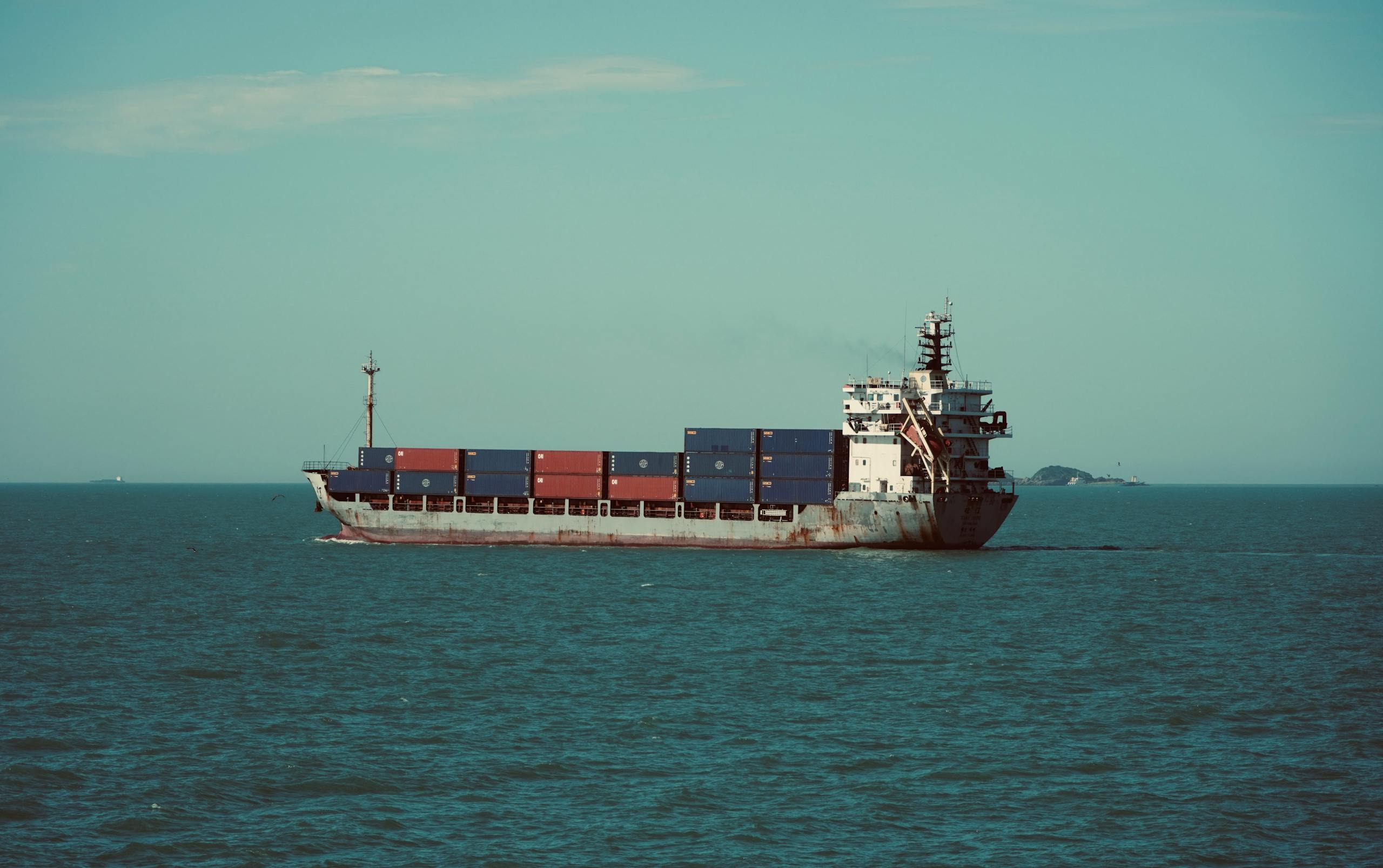
Iran’s move to create the Persian Gulf Strait Authority has added another layer of uncertainty to an already dangerous situation.
The agency has reportedly positioned itself to approve passage and collect tolls from vessels moving through the strait, raising concerns about freedom of navigation and the future of global shipping rules. AP reported that maritime law experts say Iranian demands to vet or tax vessels violate international law.
This matters because shipping companies need clarity before they move. They need to know who controls the route, which rules apply, what fees exist, what guarantees are real, and what happens if a ship follows the rules and still gets attacked. Vague procedures do not calm the industry. They create another reason to wait.
Oil Markets Are Reacting to Hope Instead of Stability
Oil prices have already shown how sensitive the world remains to every signal from Hormuz. When President Donald Trump said the strait could be “open to all” if Iran accepted a deal, Brent crude fell sharply before trimming some of its losses.
The Guardian reported that the initial move sent Brent down as much as 11% to $97 a barrel, the first drop below $100 since April 22.
That price movement tells us something important. Markets can rally on hope, but ships need proof. Traders can react within seconds to a diplomatic headline, but vessel operators must consider crew safety, cargo contracts, port schedules, insurance coverage, naval intelligence, and political risk.
Lower oil prices do not mean the Strait of Hormuz crisis has been resolved. It only means investors briefly believed it might be.
Reopening Hormuz May Not Fix the Damage Quickly
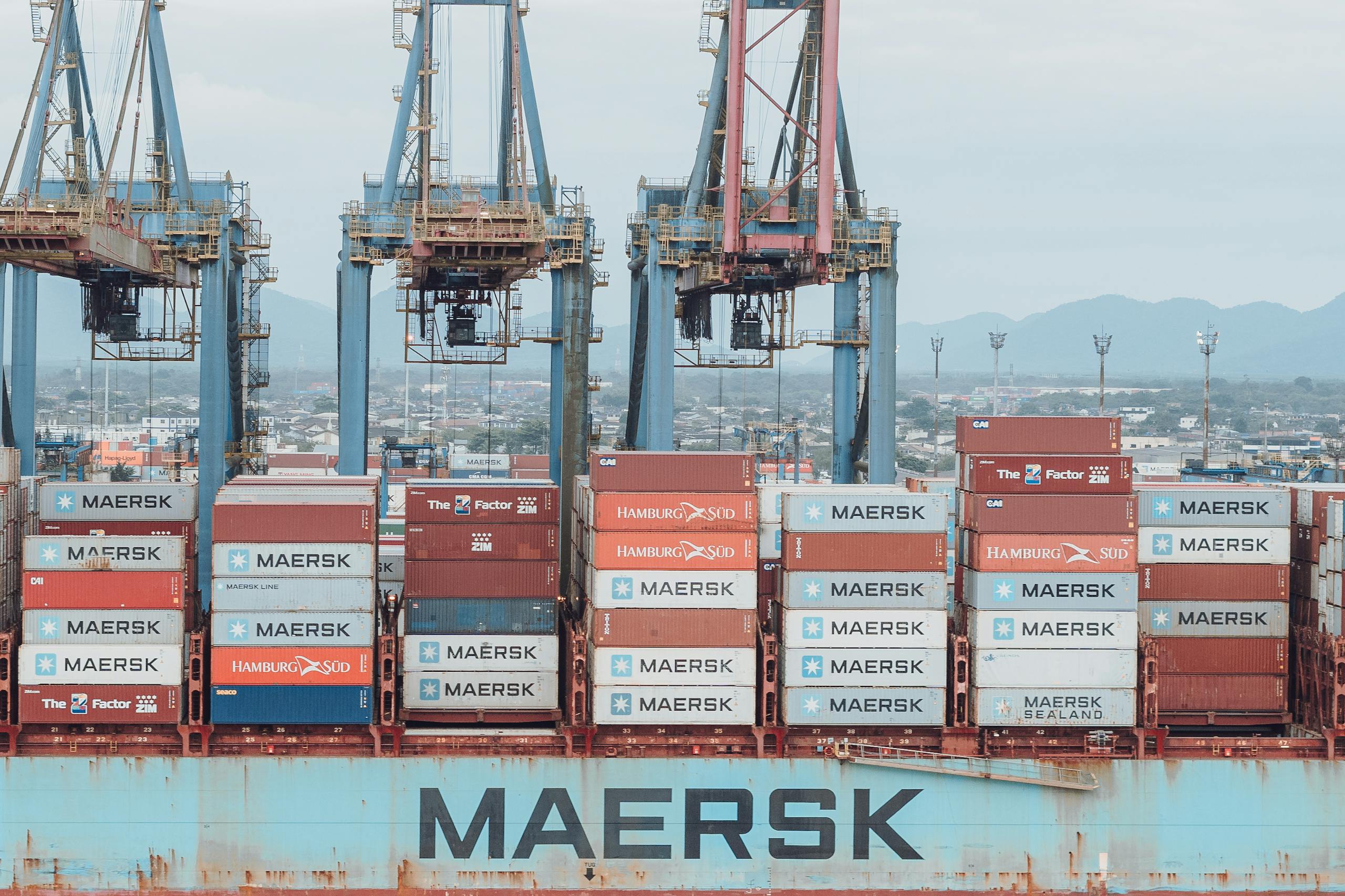
Even if the strait reopens, global shipping may not snap back to normal. Maersk chief executive Vincent Clerc said reopening the Strait of Hormuz could have a limited impact on cargo flows, as the industry is still grappling with higher fuel costs and safety concerns.
He also said Maersk’s fuel bill had nearly doubled since the conflict began, adding as much as $500 million per month in costs.
That is the part many readers miss. A waterway can reopen before trust returns. Ships can move before prices normalize. A ceasefire can hold before companies believe it will last.
The backlog will likely clear slowly because vessels cannot all rush through a narrow, militarized chokepoint at once. The priority will be safety, then essential cargo, then commercial recovery.
Why Naval Escorts Cannot Be the Long-Term Answer
The International Maritime Organization has warned that naval escorts are not a sustainable long-term solution and has called for de-escalation and clear safety guarantees from all parties involved.
The IMO has also launched a task force to establish a safe-passage framework, but the agency said evacuation planning requires concrete security assurances.
That statement cuts to the heart of the crisis. The world does not need a dramatic convoy story. It needs a durable maritime settlement that gives crews, cargo owners, insurers, and governments enough confidence to treat Hormuz as a trade route again rather than a battlefield.
Until that happens, every ship that moves through the strait will carry the weight of a much larger geopolitical risk.
The Bottom Line on the Strait of Hormuz Crisis
Project Freedom failed because it tried to solve a trust crisis with a transit plan. That is not enough. The Strait of Hormuz is too important, too narrow, too politically exposed, and too economically loaded for half-measures.
The world’s shipping companies are not asking for a slogan. They are asking for proof that their ships, crews, cargo, and balance sheets will survive the journey.
Until that proof exists, the crisis will keep spreading beyond the Gulf. It will be reflected in oil prices, freight rates, insurance contracts, port schedules, and household costs.
The Strait of Hormuz may be only a thin blue line on the map, but right now it is holding a large part of the global economy hostage.