Former Illinois Teacher Arrested After Officials Link Her to Deadly Chicago House Party Shooting
For many families in Illinois, the story is unsettling because it reaches beyond immigration enforcement and into a place parents usually associate with trust: the classroom. Federal officials say a former Illinois teacher who had been living in the United States unlawfully has now been arrested by Immigration and Customs Enforcement after authorities linked her to a deadly Chicago house party shooting in December 2024.
The arrest has raised difficult questions for local residents, especially in communities around Chicago and Elgin, where officials say the woman once worked as a teacher. It is now part of a larger debate over public safety, sanctuary policies, immigration enforcement, and how local authorities handle serious criminal allegations involving people accused of being in the country illegally.
What Officials Say Happened
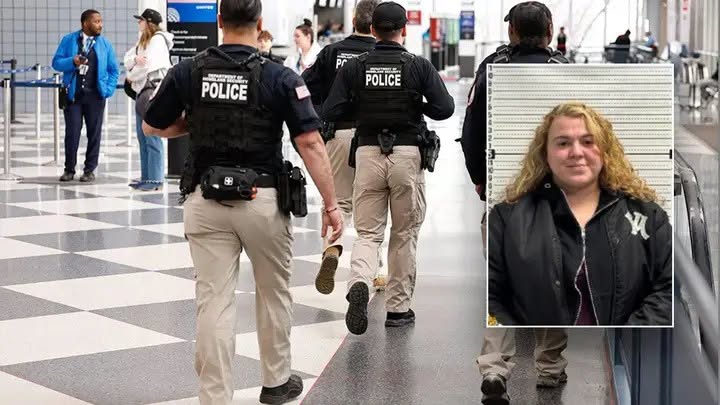
According to the Department of Homeland Security, Giovanna Mercedes Moreno Occhipinti, 32, was arrested by ICE agents on May 13, 2026. Federal officials said she is a Venezuelan national with Italian citizenship who entered the United States in October 2021 under the Visa Waiver Program.
DHS said she was required to leave the country by January 2, 2022, but overstayed that visa. Federal officials now say she is connected to a December 2, 2024, mass shooting at a Chicago house party that left three people dead and five others injured.
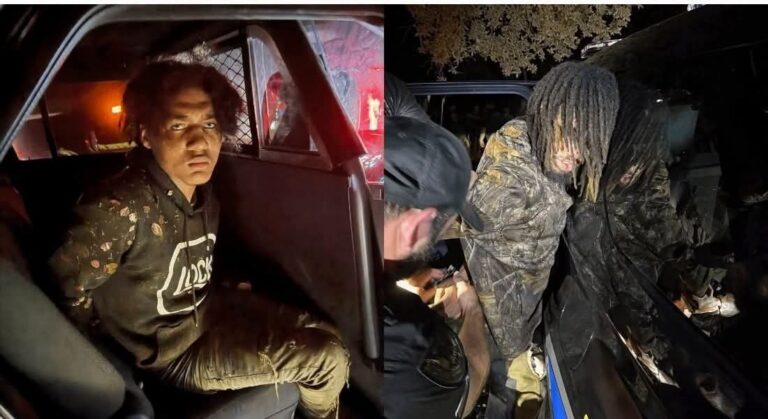
Authorities allege Occhipinti drove two accused gunmen, identified by officials as Ricardo Granadillo Padilla and Edward Martinez Cermeno, to the scene of the shooting. Officials have described the two men as suspected members of Tren de Aragua, a Venezuelan criminal gang that has drawn growing attention from law enforcement agencies across the United States.
The allegations against Occhipinti do not mean she has been convicted. But federal officials say they believe her actions before and after the shooting were significant enough to continue pursuing the case.
A Former Teacher Now at the Center of a Public Safety Debate
The detail that has caught the attention of many Illinois residents is Occhipinti’s reported connection to education. DHS told Fox News that she had worked as a teacher at an unspecified school in Elgin, a Chicago suburb.
That claim has added a human and community dimension to the case. Parents often trust schools to carefully vet the adults who work around children, and any criminal allegation involving someone connected to a school can quickly create anxiety, even when the alleged conduct did not happen inside a classroom.
Federal officials said Illinois authorities have not shared the school’s name with DHS. That has fueled further debate over transparency, cooperation between local and federal agencies, and what the public has a right to know when a former school employee is accused of involvement in a serious crime.
For residents, the issue is not only about one arrest. It is also about whether government agencies are communicating well enough when public safety, immigration status, and violent crime allegations intersect.
The December 2024 Shooting
The shooting happened on December 2, 2024, during a house party in Chicago, according to officials. Authorities say three people were killed and five others were wounded.
Police later arrested Occhipinti on December 5, 2024, on charges including unlawful use of weapons and other weapons-related offenses, according to DHS. Officials said multiple weapons were found in her vehicle after the shooting.
Federal authorities also allege she helped the accused gunmen evade law enforcement after the attack. That allegation has become central to the government’s public explanation for why her case remained a priority months after the shooting.
At this stage, the public record described by federal officials focuses on allegations rather than a conviction. The distinction matters because the legal process is still unfolding and not every accusation results in a guilty finding.
Why Locals Care
This case touches several concerns that matter deeply to local communities. First, there is the grief and fear tied to another deadly shooting in Chicago. Even when the public does not know the victims personally, a house party shooting can leave an entire neighborhood feeling less safe.
Second, there is the school connection. When officials say a former teacher is linked to a violent crime investigation, families naturally want clarity. They want to know where she worked, whether students were ever at risk, and whether hiring or background check systems functioned as intended.
Third, the case has become part of Illinois’ wider sanctuary policy debate. DHS officials criticized local policies that limit cooperation with federal immigration authorities, saying Chicago police arrested Occhipinti shortly after the shooting but released her without notifying ICE.
Supporters of sanctuary-style policies often argue that they help immigrant communities report crimes without fear. Critics argue that the policies can prevent federal immigration officers from being alerted when serious criminal suspects are released from local custody.
This case is likely to be used by critics as an example of what they believe can go wrong when local and federal agencies do not work closely together.
The Immigration and Legal Timeline
According to DHS, Occhipinti entered the United States in October 2021 through the Visa Waiver Program. That program allows eligible travelers from certain countries to enter the U.S. temporarily without a visa, but it also requires them to leave by a specific date.
Officials said she was supposed to depart by January 2, 2022. Instead, DHS said she remained in the country unlawfully.
After the December 2024 shooting, Chicago police arrested her on weapons-related charges. DHS said the Cook County State’s Attorney’s Office later decided not to prosecute the suspects in connection with those local charges.
Federal officials also said Granadillo Padilla and Martinez Cermeno were eventually deported. One of the accused men, Martinez Cermeno, had been released from ICE custody in January 2025 after a federal judge ruled that prosecutors had not met the legal burden required to keep him detained while awaiting trial.
Occhipinti is now being held at the Grayson County Detention Center in Leitchfield, Kentucky, according to the report.
What Happens Next
The next phase will likely depend on federal immigration proceedings and any further criminal or investigative action connected to the Chicago shooting. DHS and Homeland Security Investigations officials have indicated that they view Occhipinti as someone who allegedly helped facilitate the violence, but any final legal judgment will depend on the courts and available evidence.
For the public, several questions remain unanswered. Officials have not publicly identified the Elgin school where she allegedly worked. It is also unclear what additional charges, if any, may be pursued.
The case may also increase pressure on Illinois officials to explain how local agencies handle ICE detainers and communication with federal authorities after arrests tied to serious crimes. In a politically divided environment, this story is almost certain to become part of a larger argument over immigration enforcement and local control.
Why This Case Matters
At its center, this is a story about a deadly night in Chicago and the families left with the consequences. But it is also a story about public trust.
Residents want to know that violent crime suspects are handled carefully. Parents want to know that schools are safe. Communities want to know that agencies are sharing the right information at the right time.
Occhipinti has not been convicted of the allegations described by federal officials, and the legal process still matters. Still, the arrest has already opened a wider conversation in Illinois about safety, accountability, and the difficult line between immigration policy and local policing.
For Chicago-area residents, the case is more than just another headline. It is a reminder that when violence, schools, and government systems collide, the public wants clear answers before trust can be rebuilt.